Silverstone showed why MotoGP’s holeshot ban is incomplete. Ride-height systems still add complexity without making the racing meaningfully better.
MotoGP banned holeshot devices for 2026, but Silverstone showed the job is unfinished. Jorge Martin and Ai Ogura both suffered ride-height device problems during the British Grand Prix weekend. The remaining systems should now be removed entirely.
A partial ban leaves problems behind
The distinction is important. A holeshot device lowers a bike at launch. Ride-height technology can change its stance elsewhere on the track to improve acceleration. By banning one use and retaining the other, MotoGP limited the technology without eliminating its hardware, operating demands or potential failures.
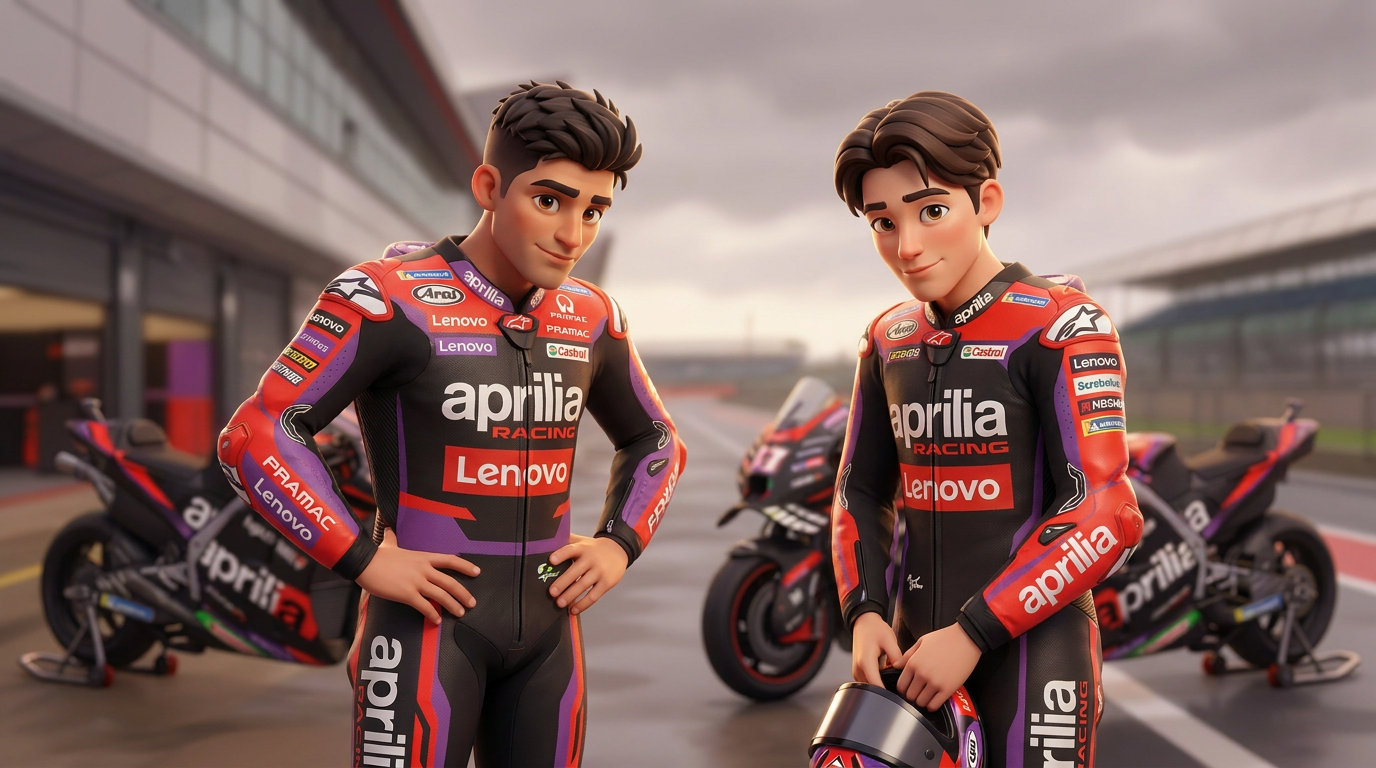
The compromise is hard to justify after the systems caused trouble for two leading Aprilia riders at Silverstone. Martin arrived as the championship leader and had already won the Sprint, beating Ogura in an Aprilia 1-2-3. Any mechanism that can complicate their launches or races warrants scrutiny, especially when spectators gain so little from it.
The spectacle does not need it
Silverstone made a strong case for simpler bikes.
Raul Fernandez led the Grand Prix from start to finish for Trackhouse and claimed his first Sunday victory of the season. He also became the 12th different British Grand Prix winner in 12 editions.
The weekend produced an eighth polesitter in eight Silverstone Grands Prix, with Martin beating Fernandez by only 0.021 seconds. Riders, teams, setup choices and a circuit that rewards confidence created that variety. Motorcycles mechanically squatting under acceleration did not.
Aprilia’s depth strengthens the case
Aprilia machinery swept the Sprint podium through Martin, Ogura and Marco Bezzecchi. Fernandez then turned the brand’s pace into a Sunday victory for Trackhouse.
The results showed the strength of the RS-GP platform across the factory and satellite operations. They also prevent the device issue from being dismissed as a struggling team blaming technology for weak performance. These motorcycles ran at the front.
Removing ride-height systems would not diminish Aprilia’s engineering achievement. It would require its riders to extract that performance with fewer automated variables.
Use the 2027 reset
MotoGP does not need a hurried midseason intervention unless safety evidence requires it. The series needs a clear technical direction, and the 2027 regulations provide a natural point to simplify the motorcycles, control costs and give riders greater influence.
Active ride-height changes should be prohibited, while tightly defined static setup adjustments remain permitted in the garage.
The rule must focus on function rather than device names. That would stop manufacturers from reproducing the same effect through a different mechanism.
Finish what the holeshot ban started
MotoGP’s best Silverstone moments came from Fernandez controlling the race, Martin taking command on Saturday and Bezzecchi reaching the Sprint podium despite returning from a fractured collarbone. Human performance defined the weekend.
The championship has already decided launch-lowering technology can go.
Its next step should follow that decision. MotoGP should phase out the remaining ride-height systems for 2027, publish an enforceable technical definition early and let teams direct their ingenuity toward machinery fans can understand and riders can truly master.