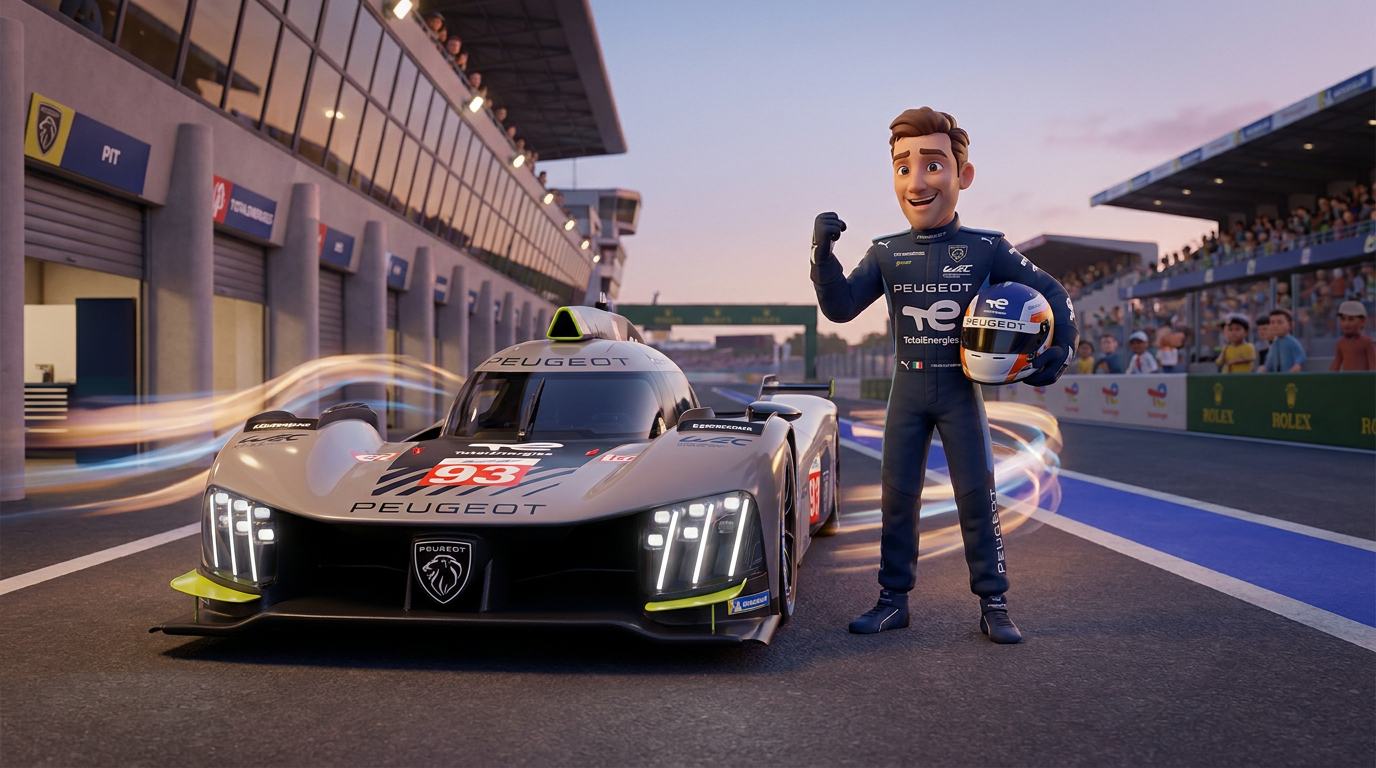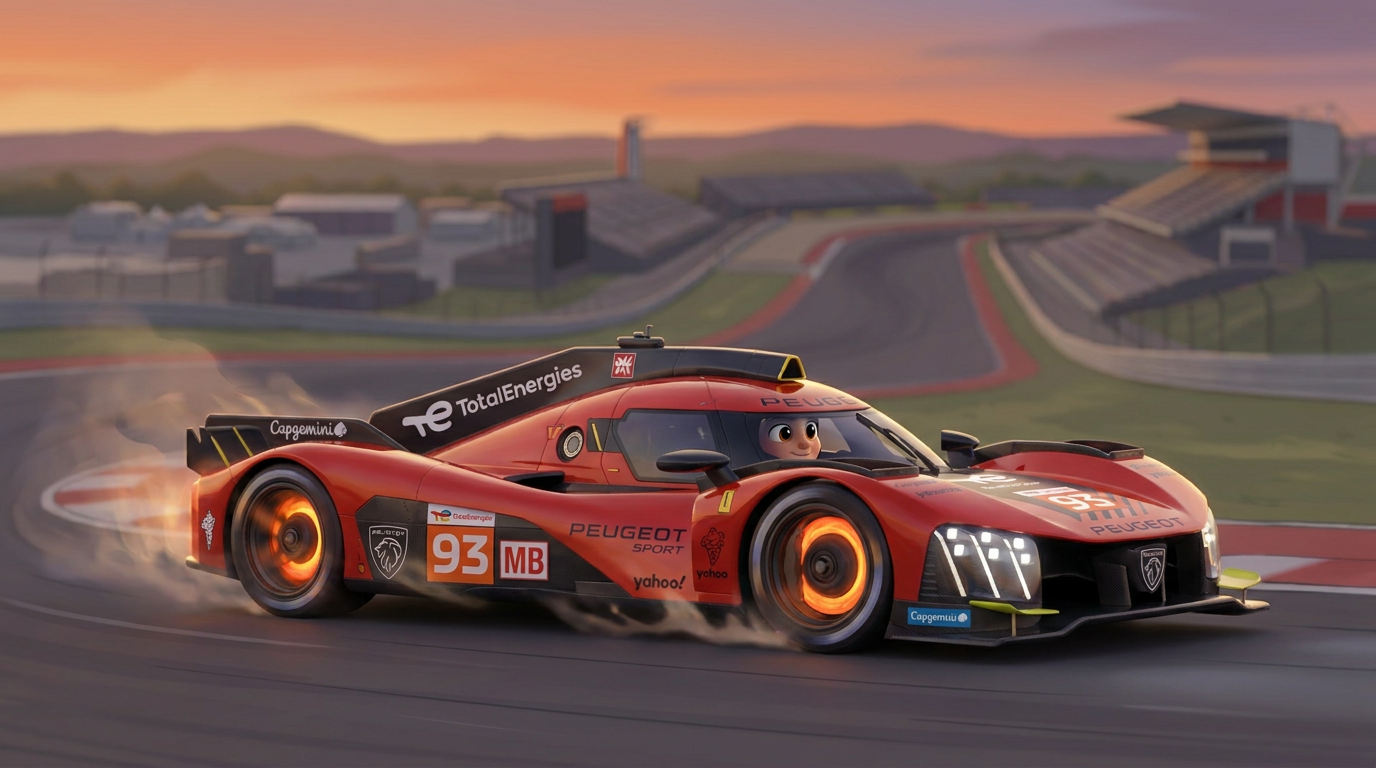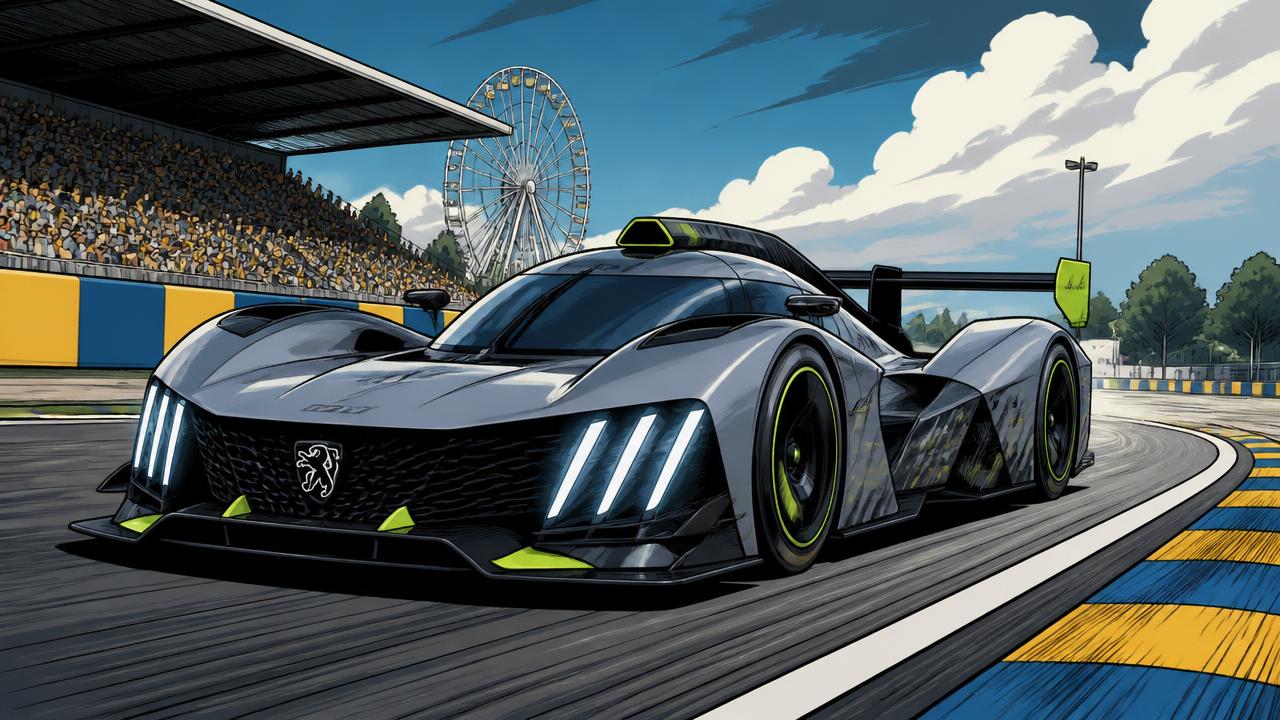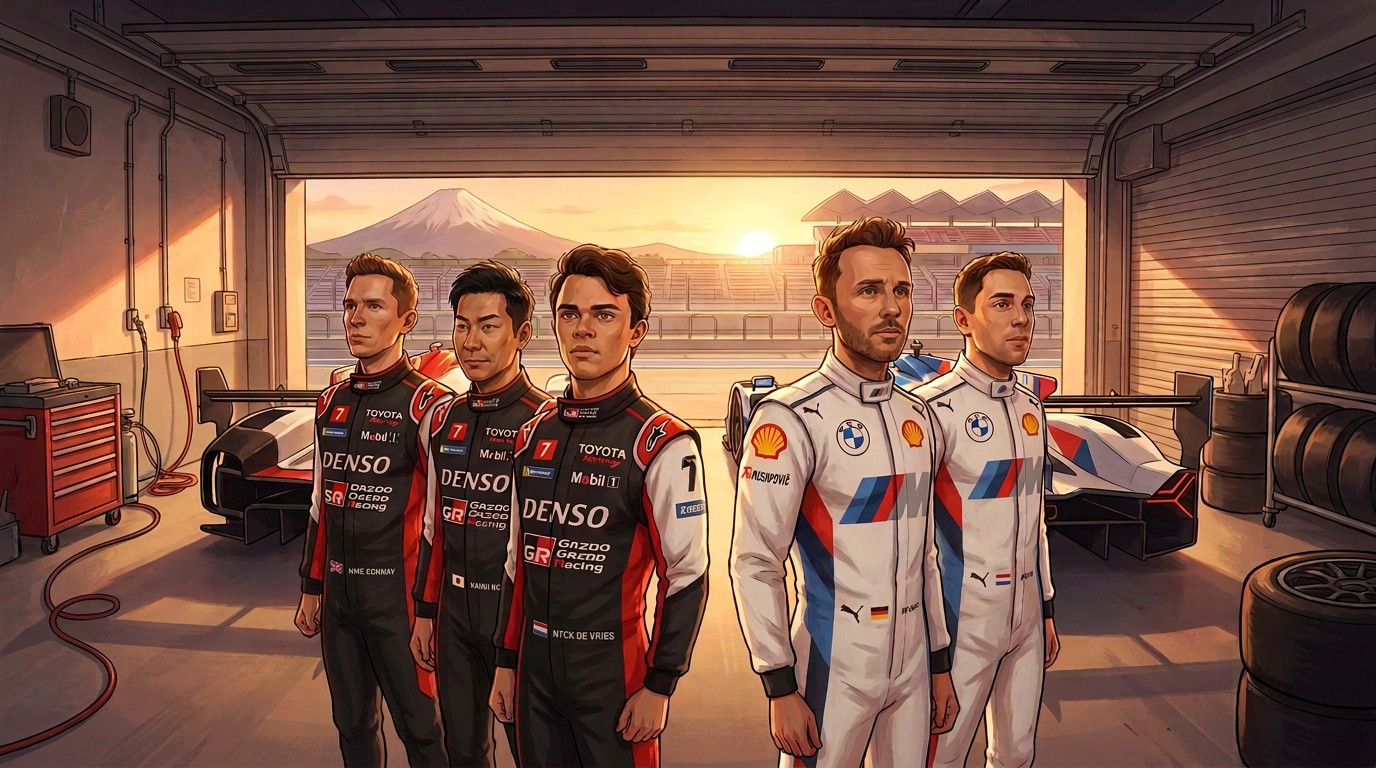
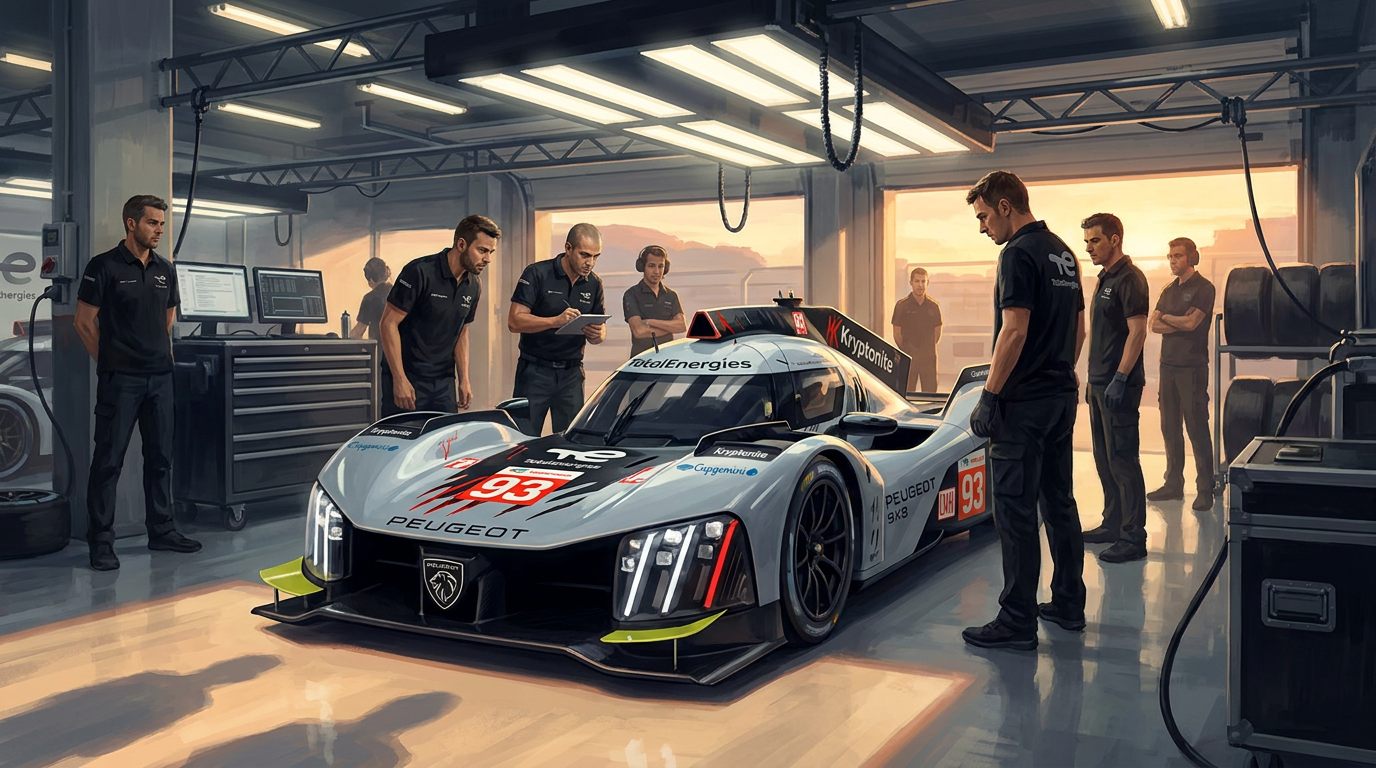
Peugeot’s 2027 Hypercar evolution program was detailed on Thursday, September 24, becoming the latest engineering development ahead of the FIA World Endurance Championship’s Fuji weekend.
The update targets long-standing problems with Peugeot’s current package. The work focuses on how aerodynamics, mechanical setup and tire behavior interact, with those systems determining whether a Hypercar can deliver consistent performance as track conditions change and throughout a full endurance stint.
The program is separate from the immediate competition at Fuji Speedway, where round six starts on September 25. Instead, Peugeot’s development path is focused on the next version of its Hypercar and the operating window its engineers will have in 2027.
A wider setup window is Peugeot’s main target
An evolution package does not guarantee a faster race car. The broader engineering goal is to make performance more accessible across varying circuit profiles, temperatures and tire conditions.
For Peugeot, correcting persistent weaknesses requires a better connection between the car’s aerodynamic platform and its mechanical settings. Changes in ride height, pitch and roll can affect how efficiently the bodywork generates downforce. A narrow window restricts the setup options available to engineers, especially when tire protection over a stint is also required.
The 2027 program allows Peugeot to revise that relationship instead of depending on circuit-specific compromises with the current package.
That difference is significant in WEC.
A setup capable of producing a strong qualifying lap may put too much strain on the tires in race trim. Conversely, protecting a tire during a long run can reduce response and peak grip. Peugeot’s goal is to narrow that trade-off, providing drivers with a stable platform while retaining the performance required in slower corners and under braking.
Aerodynamic changes influence the whole car
Aerodynamic development cannot be separated from tire performance. Adjusting how load is created and distributed changes the demands on each axle, as well as the car’s behavior through different phases of a corner.
Peugeot’s update therefore extends beyond straight-line efficiency. Revised aerodynamic balance can affect turn-in, mid-corner stability and traction. It can also alter how quickly the tires reach their effective operating range.
Those traits carry particular weight in endurance racing, where fuel load decreases during a stint and traffic repeatedly forces cars away from the ideal line. Engineers need a platform that stays predictable through both variables.
No verified downforce figures, drag values or speed-trap gains have been released for the 2027 package. Peugeot has also not provided sector targets or comparative lap times, meaning the update’s measured performance cannot yet be established.
Tire behavior directs the development program
Tire management is central to the project because aerodynamic load and suspension behavior control how energy enters the tire. That process affects warm-up, surface temperature and degradation.
A car that cannot switch on its tires quickly can lose time at the start of a stint. A package that puts excessive energy into them may struggle later, particularly as the balance shifts while fuel burns away. A wider usable setup range gives engineers extra tools to manage both phases without surrendering performance elsewhere.
Michelin has identified Fuji as a unique challenge for the 2026 field. That assessment applies to the September 25 to September 27 race weekend rather than Peugeot’s 2027 car, but it shows the value of a broader operating window across the calendar.
Fuji also supplies a demanding performance reference. Kamui Kobayashi’s 1:27.794 pole lap from 2024 remained the Hypercar benchmark entering the 2026 event, where 17 Hypercars were set to compete.
Fuel and brakes stay in the equation
Fuel and brake management are linked to the same engineering decisions. Aerodynamic efficiency affects energy consumption, while stability under deceleration influences how confidently a driver can use the brakes and work through traffic.
A predictable rear platform can assist under braking and on corner entry. Consistent balance also gives the driver more control when adjusting technique during a stint, especially as fuel load changes.
Peugeot has not released verified fuel-consumption data, braking-distance comparisons or temperature figures for the evolution. As a result, there is no numerical basis for measuring gains in those areas yet.
The available information confirms the program’s development direction rather than its final specification. Track data will be needed to determine whether the revised car provides a more stable balance while maintaining straight-line performance and tire life.
The current car sets Peugeot’s next reference
Peugeot’s existing Hypercar will provide the immediate baseline at Fuji, although the September event is not a public test of the 2027 evolution. Engineers can still use the weekend to examine setup sensitivity, tire response and the car’s behavior across a six-hour race.
The circuit benchmark offers a clear measure of outright speed. Kobayashi’s 1:27.794 remains the lap every Hypercar must chase, while longer runs will reveal degradation and balance shifts that a qualifying time cannot capture.
The first formal track session is Free Practice 1 at 10:15 on September 25. Free Practice 2 follows at 14:30, giving Peugeot two initial opportunities to collect fresh race-weekend data from its current package before development of the 2027 evolution advances further.