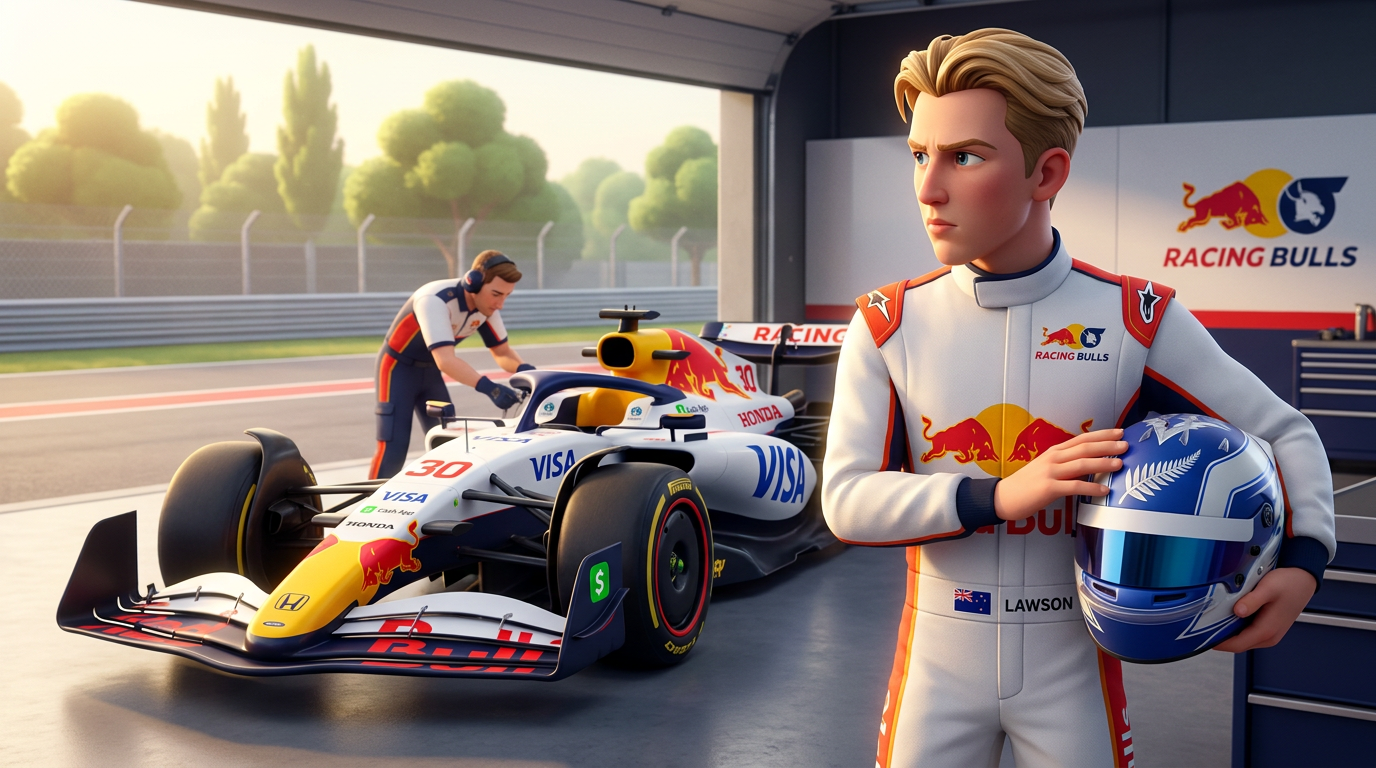
Racing Bulls has become a regular midfield threat in 2026. Its progress gives Red Bull a clear reason to grant its sister team greater independence.
Racing Bulls has turned consistent midfield pressure into its strongest case yet for greater independence from Red Bull. After 11 rounds in 2026, the team is a sustained points threat, with lessons from a failed upgrade two years ago credited in part for that progress. That growth should change how the organization manages its second Formula 1 team.
A failure became useful
The failed 2024 upgrade pushed Racing Bulls to reassess its car development and the way it validates new parts. Those lessons have helped shape a 2026 campaign in which the team is now a regular midfield benchmark, rather than an occasional scorer reliant on unusual races.
The difference matters.
Technical progress earned through internal learning has greater value than speed borrowed from a sister operation. Racing Bulls has learned to identify and reject unproductive directions. It should have the freedom to develop that judgment further.
Hadjar changes the sporting case
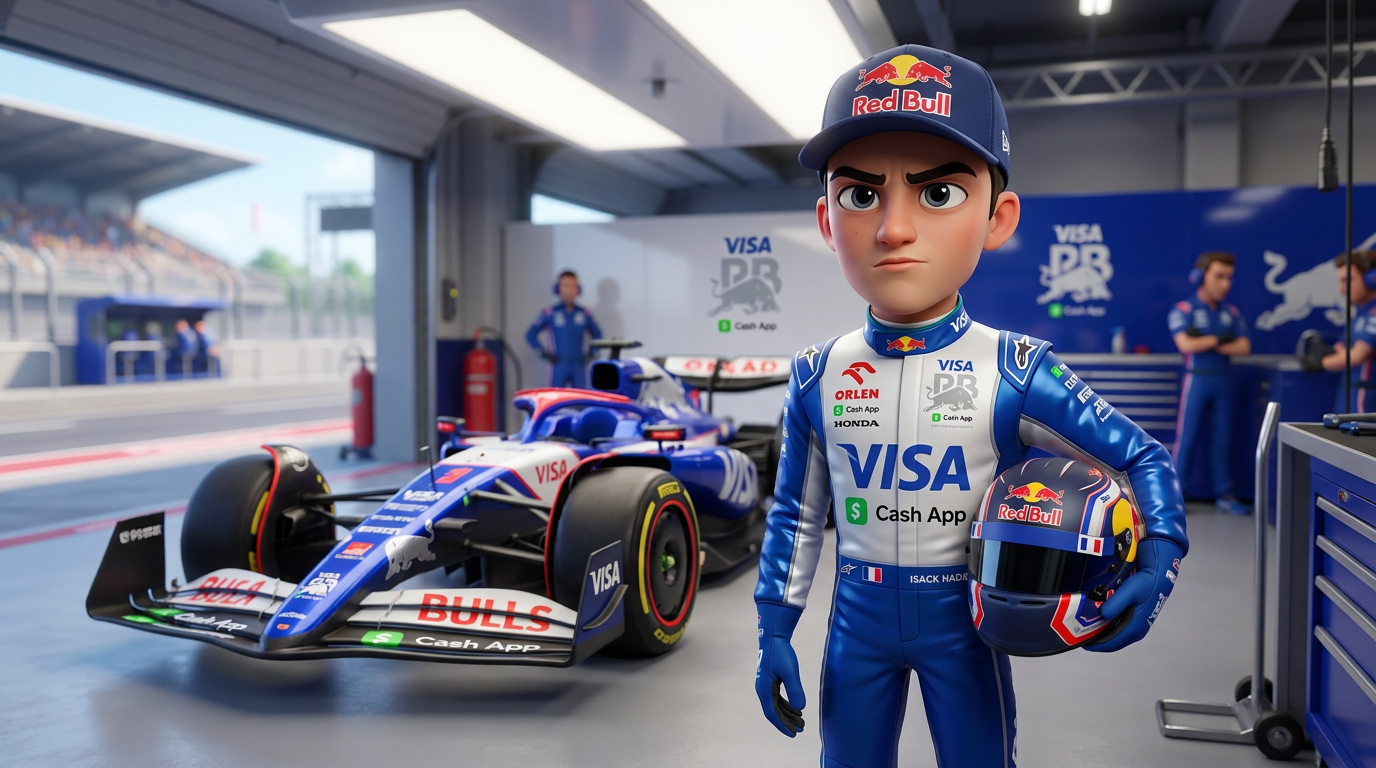
Isack Hadjar’s performances have fueled discussion about whether he has solved Red Bull’s long-running second-seat problem. The obvious temptation is to treat Racing Bulls primarily as a holding area before promotion.
That reflex is wrong. Success in one environment doesn’t automatically mean a driver must be removed from it. Hadjar’s form can help Racing Bulls build its own competitive identity, while Red Bull assesses its lineup without treating every strong weekend as an audition.
Constant promotion talk also warps the team’s purpose. Its engineers need continuity. Its drivers deserve objectives connected to the car they currently race.
The evidence favors continuity
Mercedes has won eight of the first 11 Grands Prix, with Kimi Antonelli claiming six victories and George Russell taking two. Ferrari, McLaren and Red Bull have also reached the podium, leaving the midfield to scrap for chances behind a dominant leading group.
Against that backdrop, repeated points contention carries weight. Racing Bulls has stayed relevant across very different circuits while larger operations pursue Mercedes. That record merits institutional confidence, rather than another reset ordered around the needs of Red Bull’s senior team.
Red Bull should loosen control
Shared ownership will always create links, while Formula 1’s regulations determine what teams are allowed to exchange. The sporting objective should still be clear. Racing Bulls needs control of its development direction and lineup decisions.
That requires assessing upgrades through its own data, retaining successful personnel and rejecting driver moves designed to fix short-term problems elsewhere. Greater independence would also address some of the competitive discomfort created by two closely related entrants, without forcing Red Bull to sell the team.
Zandvoort is the next test
The Dutch Grand Prix takes place from August 21 to 23, opening a second half in which Racing Bulls can turn its midfield consistency into a defining season. Red Bull should use that weekend to assess what its sister team has built, then give it the freedom to continue.