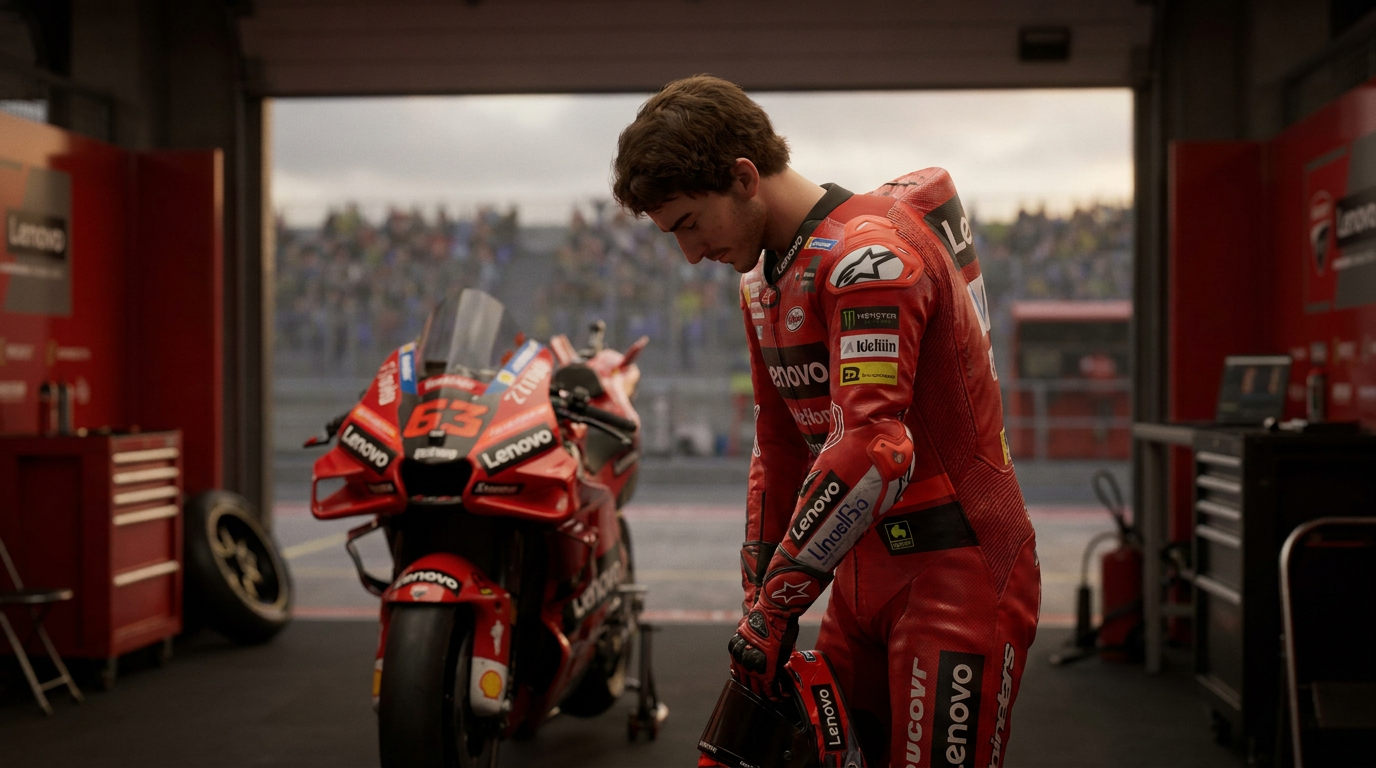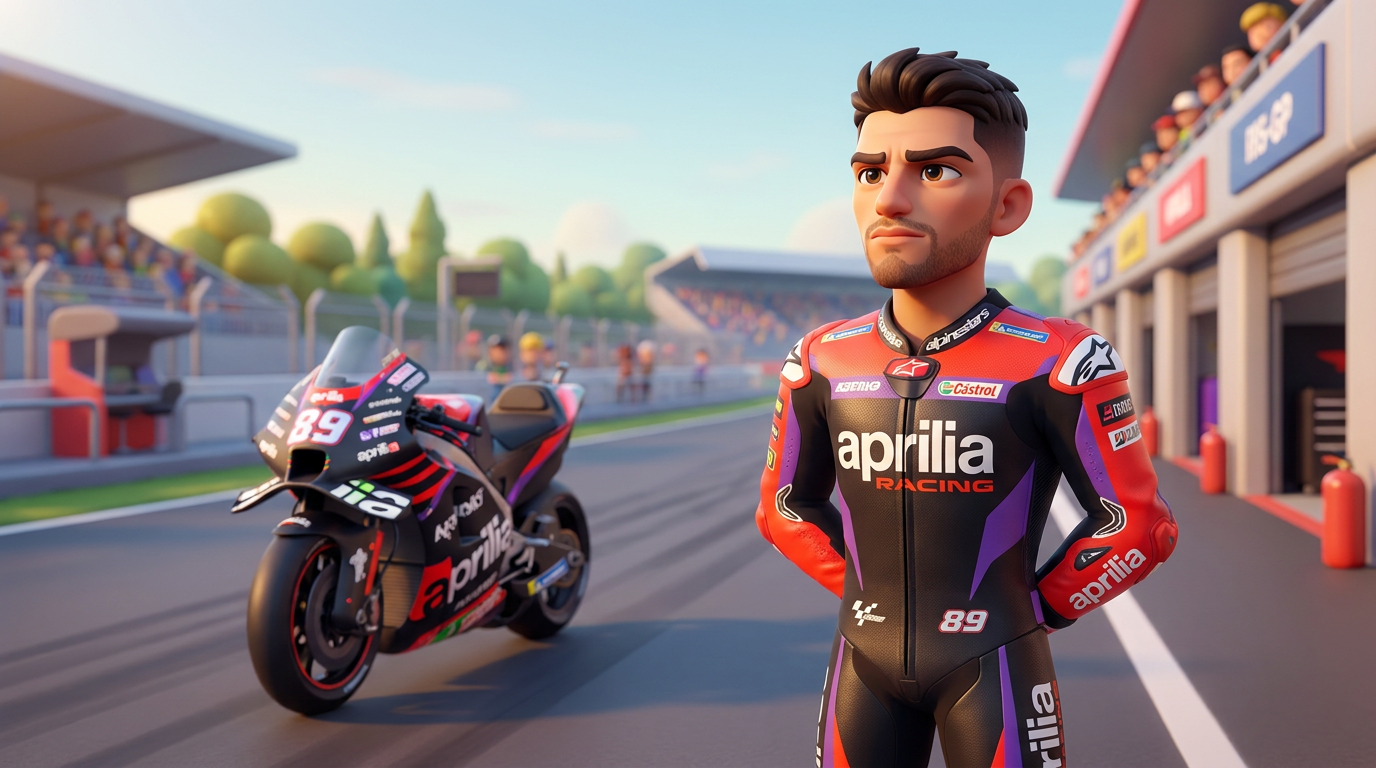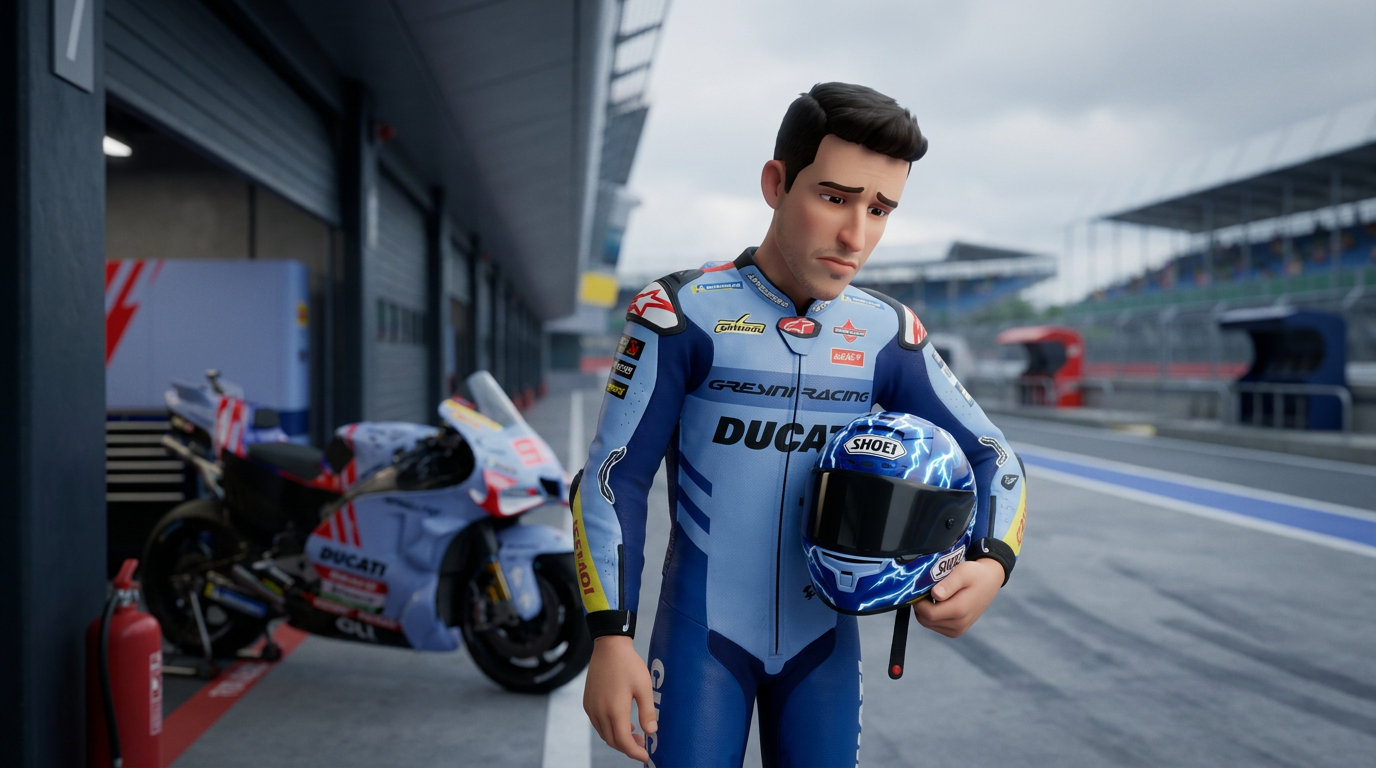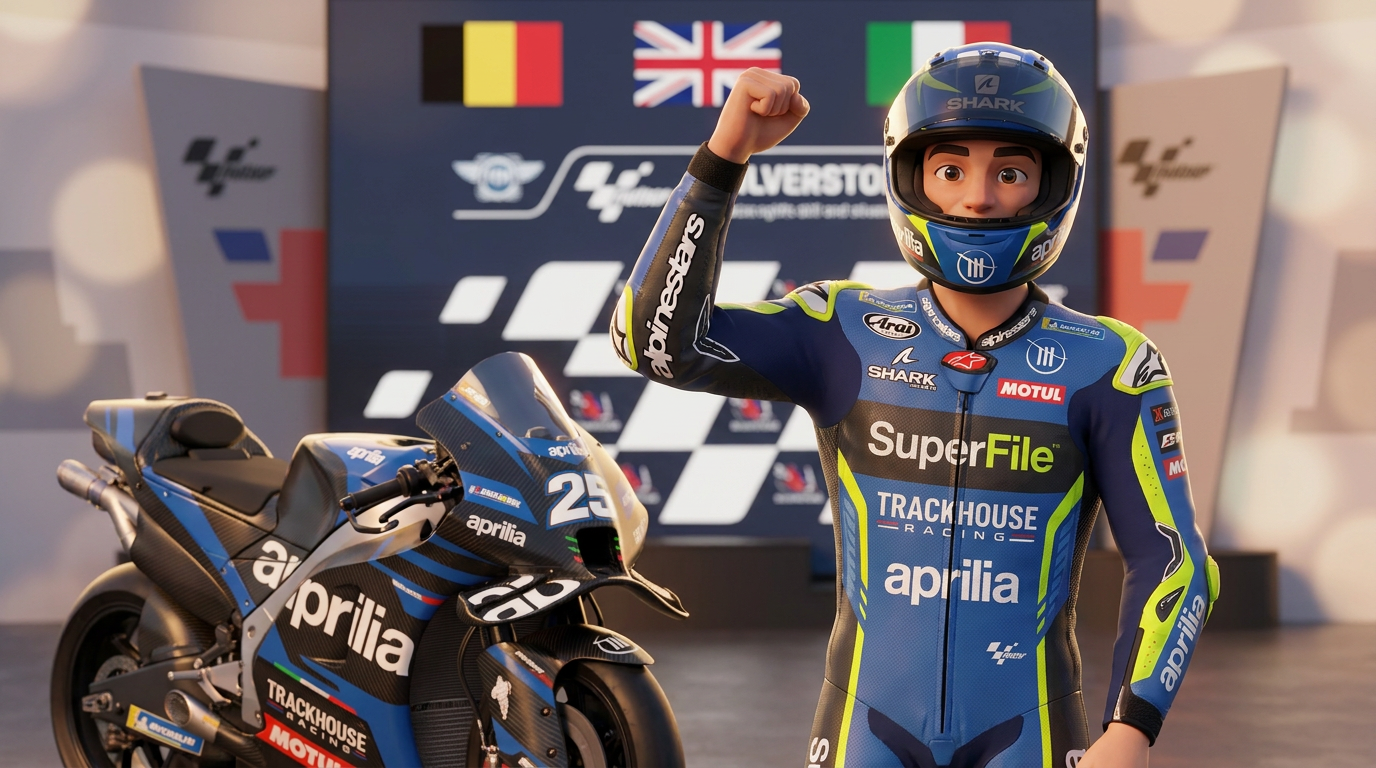
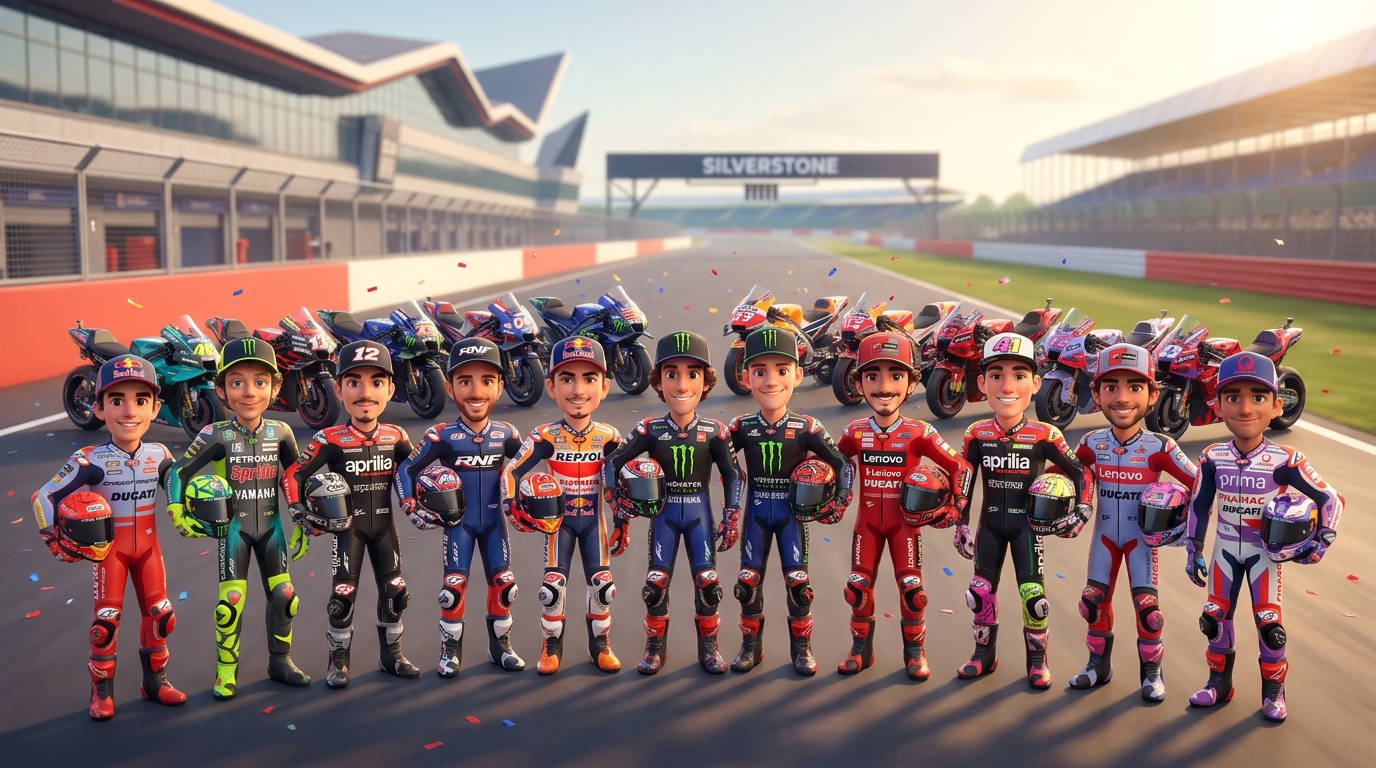
Eleven winners in 11 Silverstone editions show why versatility belongs alongside championships and victories in MotoGP’s G. O. A. T. debate.
Silverstone has become MotoGP’s great equalizer. When the 2026 British Grand Prix opened, the circuit’s modern record posed a direct challenge to simple all-time rankings: the previous 11 editions had produced 11 different premier-class winners.
A circuit that resists dynasties
That run sets Silverstone apart from venues tied closely to a single dominant rider. Marc Marquez strengthened his Sachsenring supremacy in July with a 10th MotoGP victory in Germany. Britain’s recent history has allowed no similar monopoly.
Silverstone’s long, fast and wide layout lets riders find lap time with different lines and riding styles. It has produced close racing while favoring machinery that pairs speed and stability with quick direction changes. The result is a broad measure of greatness, rather than a specialist test that one rider can repeatedly exploit.
Friday’s records deepen the comparison
The 2026 weekend quickly added another historical marker. Marco Bezzecchi cut just under one second from Fabio Quartararo’s 2025 lap record during Friday practice. Ai Ogura became the first rider to break the 1-minute, 57-second barrier, then Raul Fernandez improved by two tenths before Bezzecchi went faster again.
Eight riders eventually beat the old benchmark. Dry, warm conditions and little wind helped, but the collective jump also shows why raw lap times offer a flawed comparison across generations. Tires and aerodynamics evolve, as do engines, electronics and track conditions. Dominance relative to contemporary rivals is the more meaningful measure.
How Silverstone should shape G. O. A. T. rankings
Championships and victories must stay at the heart of any credible MotoGP ranking. Silverstone adds three useful secondary tests:
- Versatility: results across fast, flowing tracks and tighter circuits.
- Relative dominance: margins and consistency against riders on comparable equipment.
- Longevity: sustained competitiveness through technical and regulatory changes.
Teams and manufacturers should be judged the same way. One circuit victory can come from a perfect setup window. Repeated success across venues, seasons and regulations points to a stronger competitive organization.
The British Grand Prix runs through August 9, and MotoGP has extended its Silverstone agreement through 2028. The championship therefore has at least two more seasons to see whether a rider can finally stop the circuit’s rotating cast of winners and strengthen a claim to the adaptable greatness that statistics alone can miss.