Formula 1 can measure a lap to a thousandth of a second. Establishing what constitutes acceptable racing apparently requires considerably more imagination.
Welcome to the pinnacle of motorsport, where an overtake comes with supporting documentation and the chequered flag occasionally signals the start of the accounting.
The FIA’s 2026 driving standards guidelines openly acknowledge that incidents require “subjective judgement”. They also explicitly distinguish themselves from regulations. Fair enough: racing needs interpretation. But publishing guidelines is only half the job. Making their application convincing is the difficult half.
Singapore: a breach without a penalty
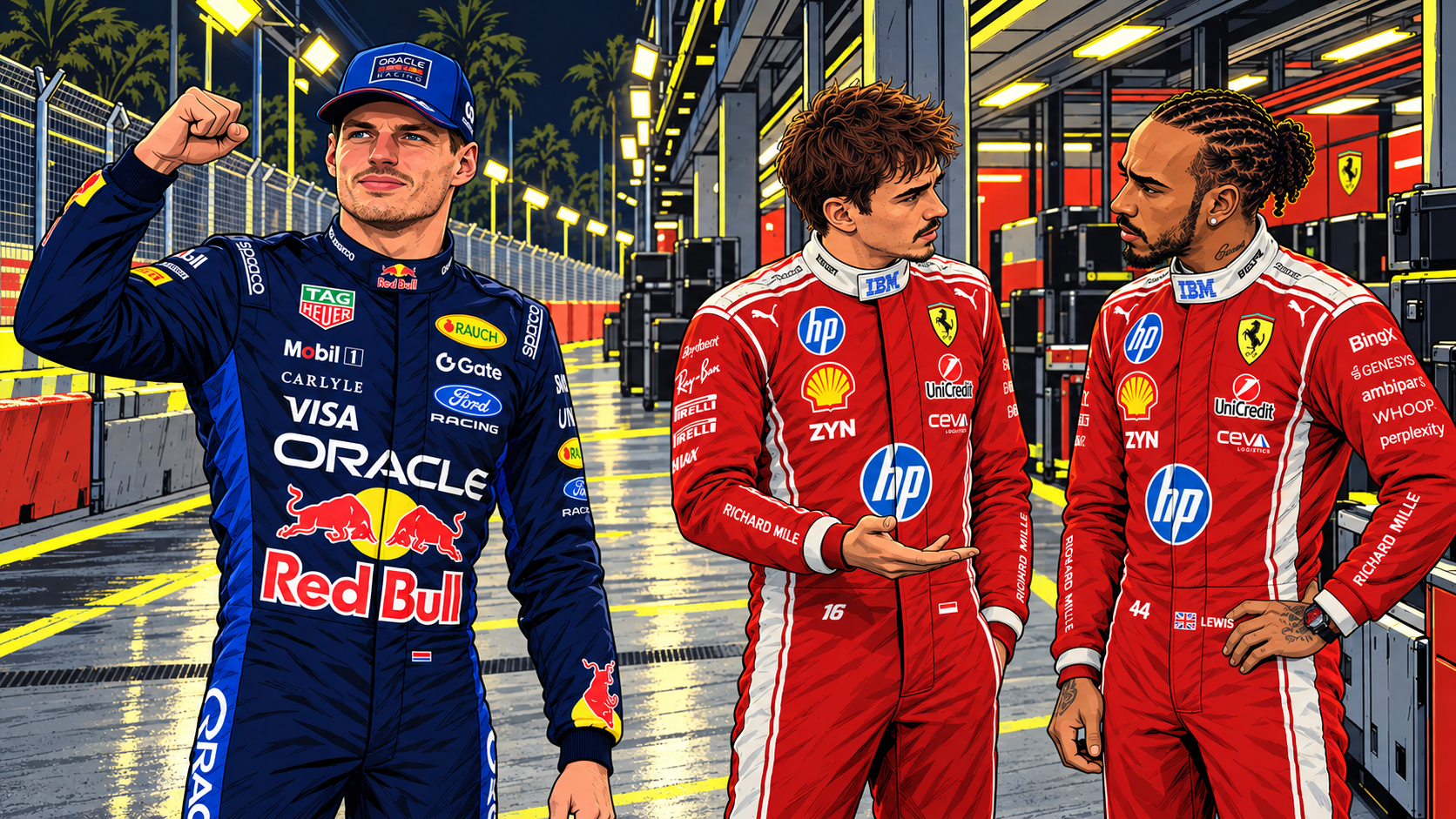
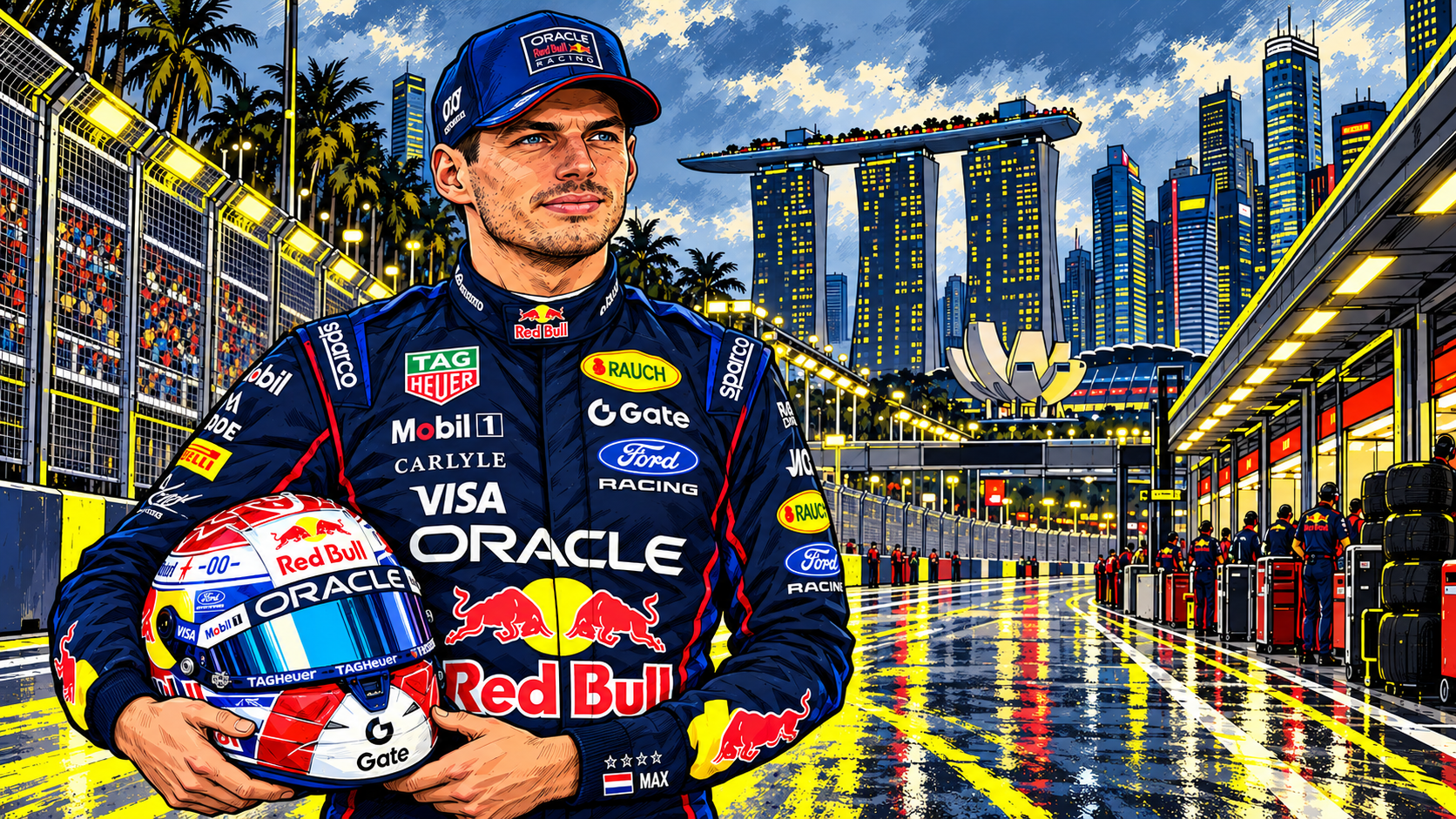
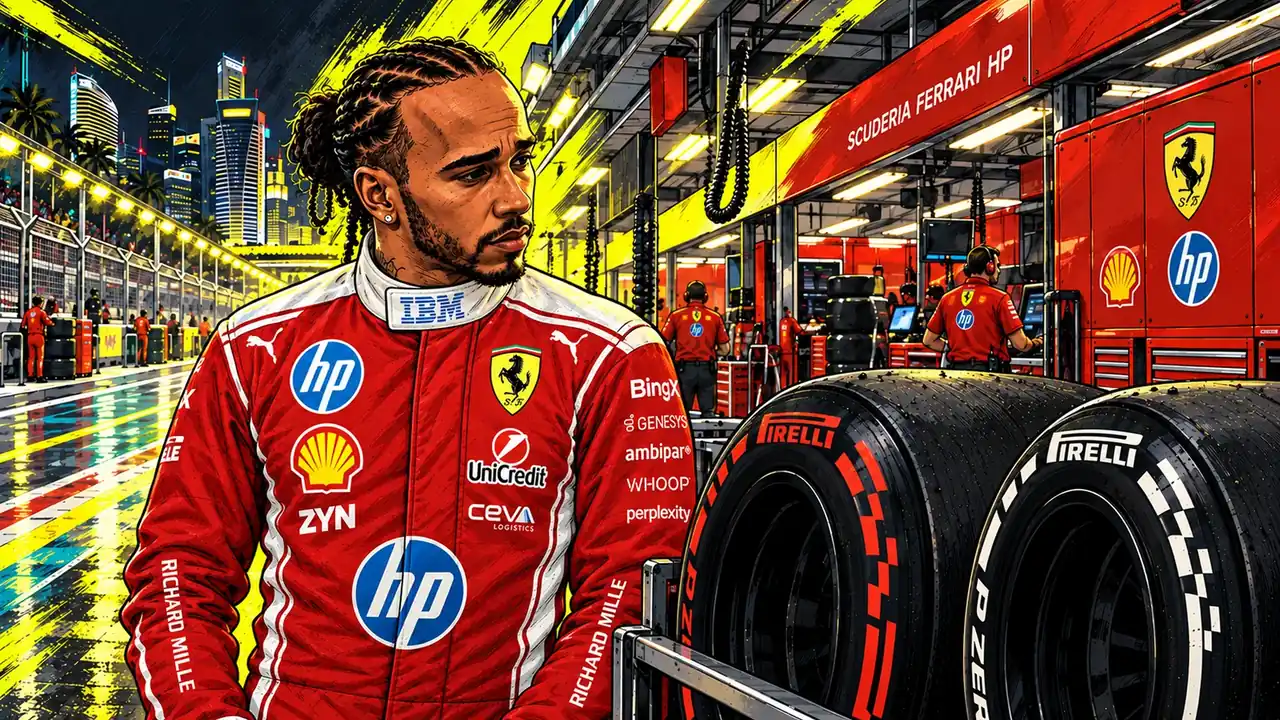
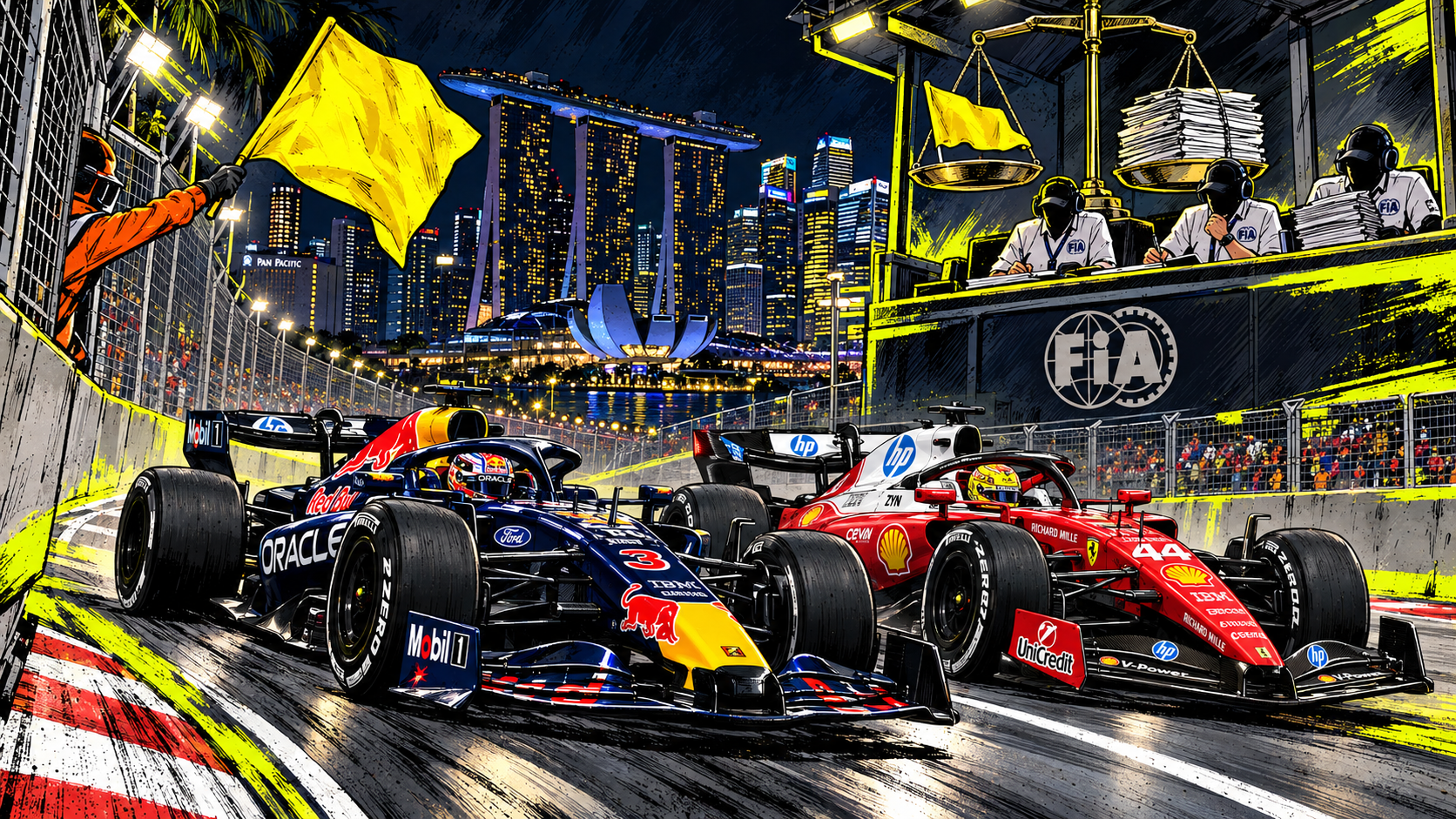
Singapore Sprint qualifying supplied the latest example. During SQ1, Max Verstappen overtook Lewis Hamilton in a yellow-flag sector following Sergio Perez’s accident. The stewards explicitly found that Verstappen had breached the yellow-flag regulation, but imposed no penalty. His Sprint pole stood.
The explanation matters. Telemetry showed Verstappen had fully lifted within approximately 40 meters of entering the yellow sector. Hamilton had slowed to below 60km/h, while Verstappen’s speed at the passing point was roughly 70km/h lower than on another push lap—not 70km/h slower than Hamilton. Verstappen also abandoned his lap.
The stewards accepted that he had reacted appropriately and that the pass resulted from the substantial closing-speed difference. Verstappen explained that braking hard enough to avoid overtaking could have created an unsafe situation.
There is a rational safety argument here. Penalizing a driver mechanically, regardless of circumstances, would hardly constitute intelligent officiating. Nevertheless, “the rule was breached, but no penalty was warranted” is quite the sales pitch for regulatory certainty.
This decision alone does not establish favoritism or inconsistency. It demonstrates how much authority rests with the officials interpreting the circumstances. Fans deserve to understand how that reasoning will apply to the next driver in a comparable situation.
Otherwise, the yellow flag starts to resemble an invitation to submit an explanation.
Exhibit B: please enjoy the argument
At Austin in 2024, Lando Norris received a five-second penalty, dropping him from third to fourth, after passing Verstappen off the circuit. Both drivers had gone beyond the white line. McLaren argued that Verstappen’s defense had left Norris nowhere to go; Red Bull considered the decision straightforward. What a remarkable coincidence that clarity followed team allegiance.
One week later in Mexico, Verstappen received two 10-second penalties for separate incidents involving Norris: forcing him off and gaining an advantage off-track. Different incidents can justify different verdicts. But Austin exposed something equally damaging: an interpretation can be defensible on paper while making racing look absurd.
The 2026 guidelines now say a defender who leaves the circuit and retains position should generally surrender it. Sensible. Determining whether the driver was defending remains at the stewards’ discretion. Even the clarification arrives with another interpretive junction.
The race ends when the paperwork says so
Austria 2023 supplied the administrative masterpiece: more than 1,200 potential track-limit violations to review, followed by 12 additional penalties affecting eight drivers, issued hours after the finish following Aston Martin’s protest. A white line is hardly an abstract philosophical concept, yet enforcing it overwhelmed the process. Congratulations to everyone who watched the provisional sporting event.
Then there was Abu Dhabi 2021. That was principally a race-direction failure. The FIA acknowledged that the required additional safety-car lap was omitted and that human error meant not all lapped cars were allowed through. Its review also found the race director acted in good faith and confirmed the result remained final. Good faith matters. So does getting the procedure right when a championship hangs on it.
More modes, less meaning
Meanwhile, the current formula offers Overtake Mode, Boost Mode, active aerodynamics and battery recharge management. In races, Overtake Mode gives eligible drivers within one second at the detection point access to extra electrical performance. The engineering is impressive. The sporting proposition increasingly resembles an argument over who has unlocked the correct menu option.
F1 has always involved strategy, technical rules and controversy. But its essence should remain recognizable: exceptional drivers fighting exceptional machines under rules competitors and spectators can trust.
Too often, the lasting conversation concerns an interpretation, an exemption or a revised classification. Singapore’s verdict had an explanation supported by telemetry. The obligation now is to make that reasoning a consistent standard whenever comparable circumstances arise. The FIA needs clearer principles, consistent application and explanations that confront precedents. F1 needs regulations that make the driving the attraction.
Until then, “pinnacle of motorsport” sounds less like a sporting standard and more like a marketing department congratulating itself.
Subject, naturally, to the stewards’ interpretation.