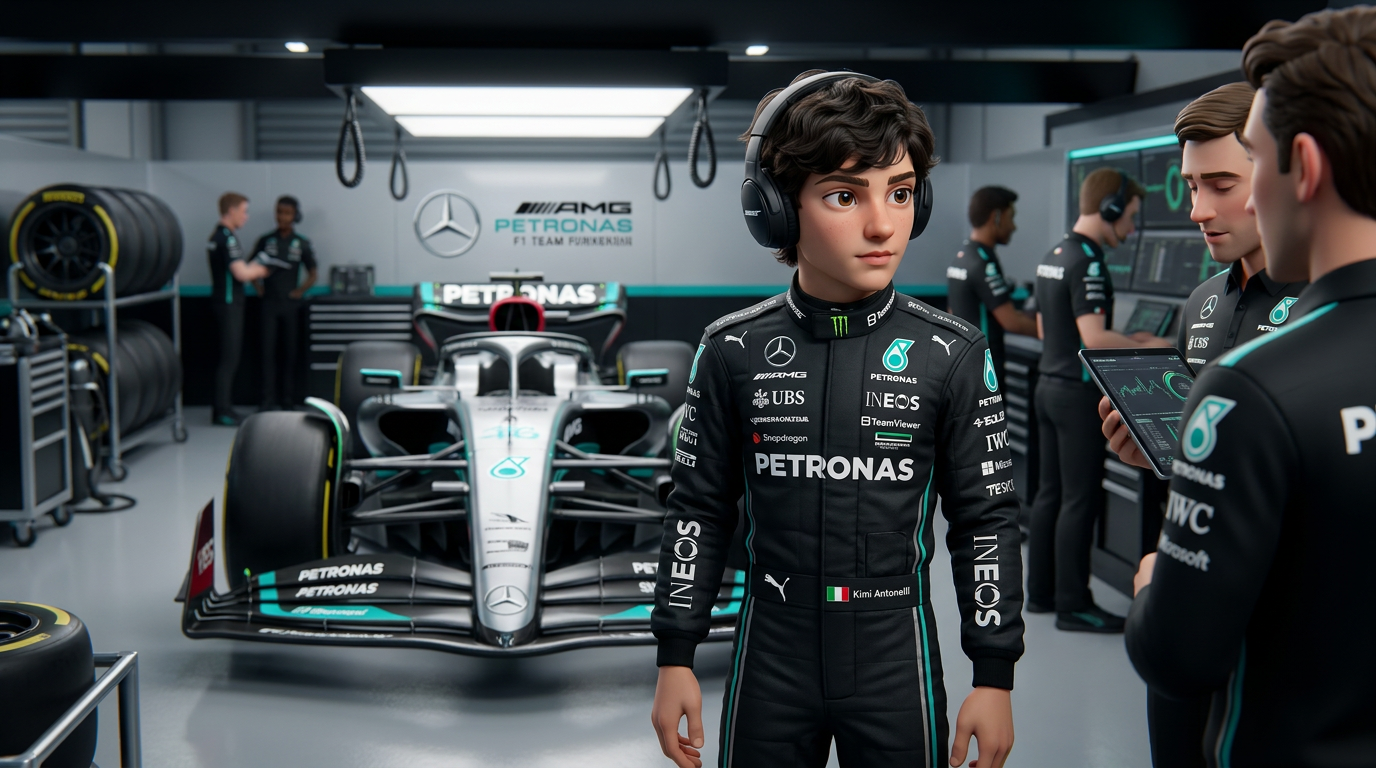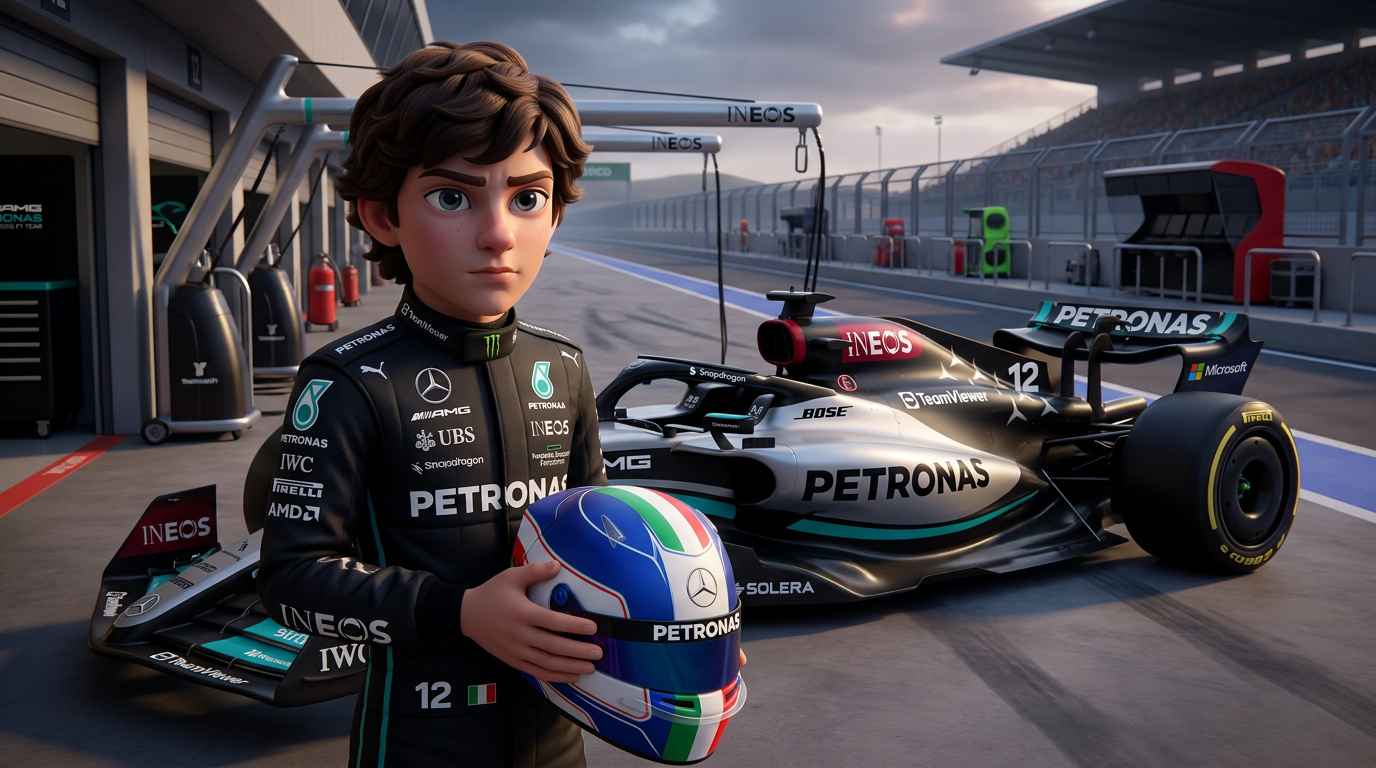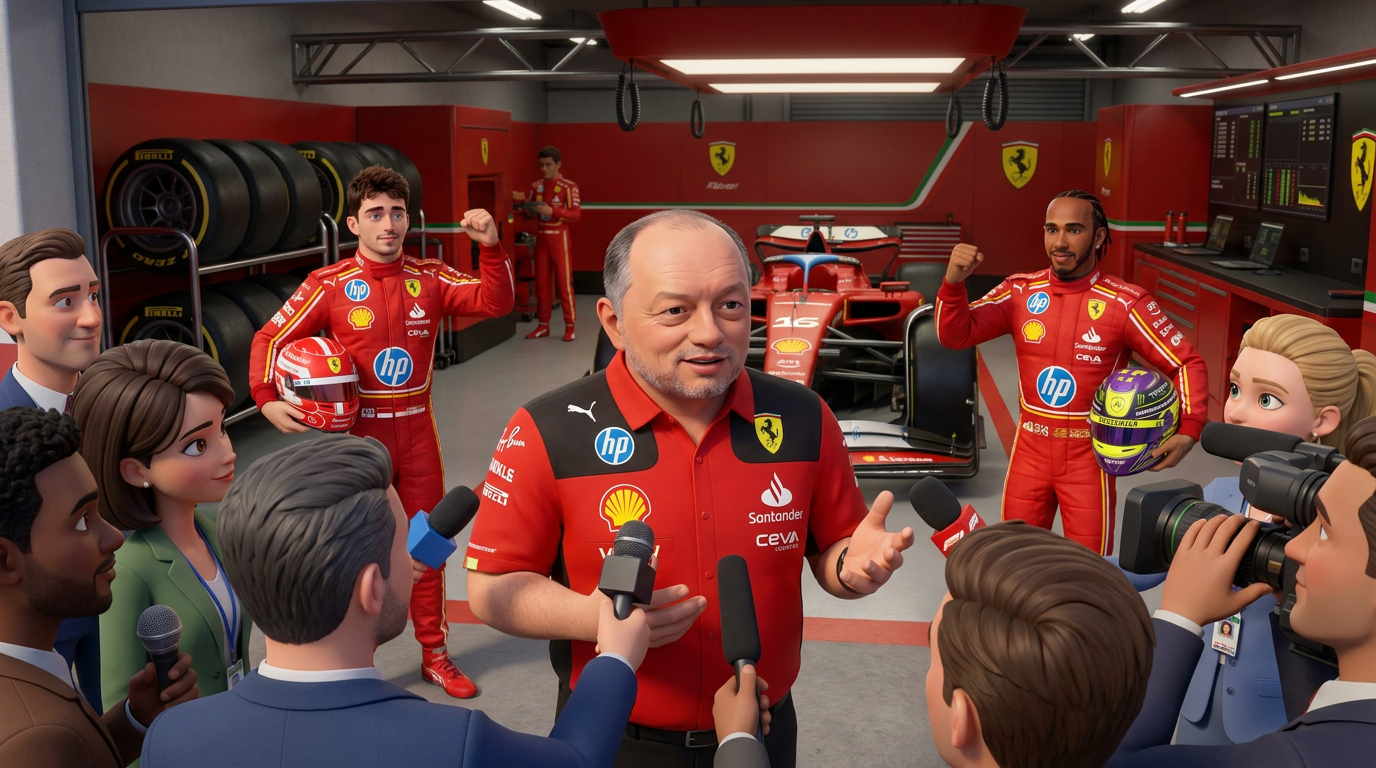

Kimi Antonelli’s championship lead is now too large for Mercedes to treat its drivers as equal title contenders.
After George Russell’s power-unit failure in Malaysia, the team must make Antonelli its undisputed strategic priority.
That doesn’t mean manufacturing race results or sidelining Russell without cause. It means accepting what the standings demand: Antonelli protects an 84-point lead over Russell and a 106-point advantage over Lewis Hamilton, while Mercedes controls the constructors’ championship by 151 points. From Singapore onward, every pit window, undercut attempt and team-order decision should reflect those numbers.
Russell’s title bid now needs more than speed
Russell left Sepang on 236 points after retiring from Round 16. Antonelli’s second place lifted him to 320, while Hamilton’s third place moved the Ferrari driver to 214.
Russell told Sky Sports that winning the championship was “exceptionally unlikely” after the power-unit failure. That assessment is realistic. He can still pursue victories, but Mercedes should no longer compromise Antonelli’s races to preserve the appearance of an equal contest.
The distinction matters. Russell remains valuable to both championships, and Mercedes should maximize his points whenever that does not expose Antonelli. But if their strategies intersect, the leader gets protection. If one driver must cover an undercut, it should normally be Russell. If splitting strategies creates unnecessary risk for Antonelli, Mercedes should resist it. If they meet on track, the team should establish clear rules before the race rather than improvise under pressure.
Mercedes should defend, not become passive
Conservative strategy is not the same as slow strategy. Antonelli cannot spend the rest of the season cruising behind rivals and assuming the margin will survive.
Mercedes still needs to attack when the undercut is powerful, cover a direct rival’s stop and use the overcut when tire life supports it. The priority should be removing avoidable hazards, not removing ambition. An early stop into traffic, an unnecessary tire gamble or a prolonged fight between teammates now carries more downside than upside.
Malaysia showed why contingency planning matters. Heavy rain delayed the start, an attempted start on a damp track was abandoned after several cars stopped on the formation laps, and multiple safety cars complicated the race. Such conditions can erase carefully built margins. Mercedes cannot control interruptions or mechanical failures, but it can stop internal competition from adding another variable.
Ferrari has only one rational response
Hamilton trails Antonelli by 106 points. Ferrari, meanwhile, has 405 points against Mercedes’ 556. Those deficits demand aggression.
Hamilton’s recovery from 15th to third in Malaysia demonstrated the potential reward. He told Sky Sports, “My heart sank at soft tyre choice at start... I didn't expect P3!” That outcome should not disguise the risk of the original call, but Ferrari’s championship position gives it greater reason to accept volatility than Mercedes has.
Ferrari should split strategies when the evidence supports two credible routes, favor track position over merely shadowing Mercedes and use team orders if they can improve Hamilton’s championship return. That is not a judgment on Charles Leclerc’s status or ability. It is recognition that Hamilton is the confirmed Ferrari driver in the top three, and the standings must govern tactical priority.
Red Bull can disrupt more than the title
Max Verstappen’s Malaysia victory was Red Bull’s first of 2026. It also moved the competitive threat beyond a simple Mercedes-Ferrari calculation.
Red Bull sits fourth with 298 points, only 18 behind McLaren’s 316. That is the immediate championship fight its result has transformed. McLaren cannot assume third place is secure, particularly while Lando Norris says the team is losing almost two-tenths of a second per lap through its straight-line-speed deficit and admits it is “a long way off the pace.”
For Mercedes, Verstappen is strategically awkward even without a confirmed drivers’ points total in the supplied standings. A Red Bull capable of winning can take points from Antonelli, Russell and Hamilton. Mercedes should not waste resources fighting Verstappen at any cost if letting him go preserves Antonelli’s margin over Hamilton. Ferrari, by contrast, may need to challenge him because every position surrendered reduces its chance to close.
The constructors’ table changes the risk equation
Mercedes’ 151-point advantage over Ferrari is substantial, while Ferrari leads McLaren by 89. Red Bull’s proximity to McLaren creates a separate battle just behind them.
This gives Mercedes room to prioritize clean finishes. It gives Ferrari a reason to chase higher-ceiling strategies. McLaren must solve Norris’ persistent car problem before strategy can compensate for its pace deficit, while Red Bull should treat third in the constructors’ standings as an attainable target rather than focus solely on isolated wins.
Singapore, scheduled for October 9 to 11, should therefore begin a new phase of the championship. Our verdict is clear: Mercedes should define Antonelli as its title leader now, use Russell to maximize the team result without endangering him, and make Ferrari take the risks required to overturn the standings.