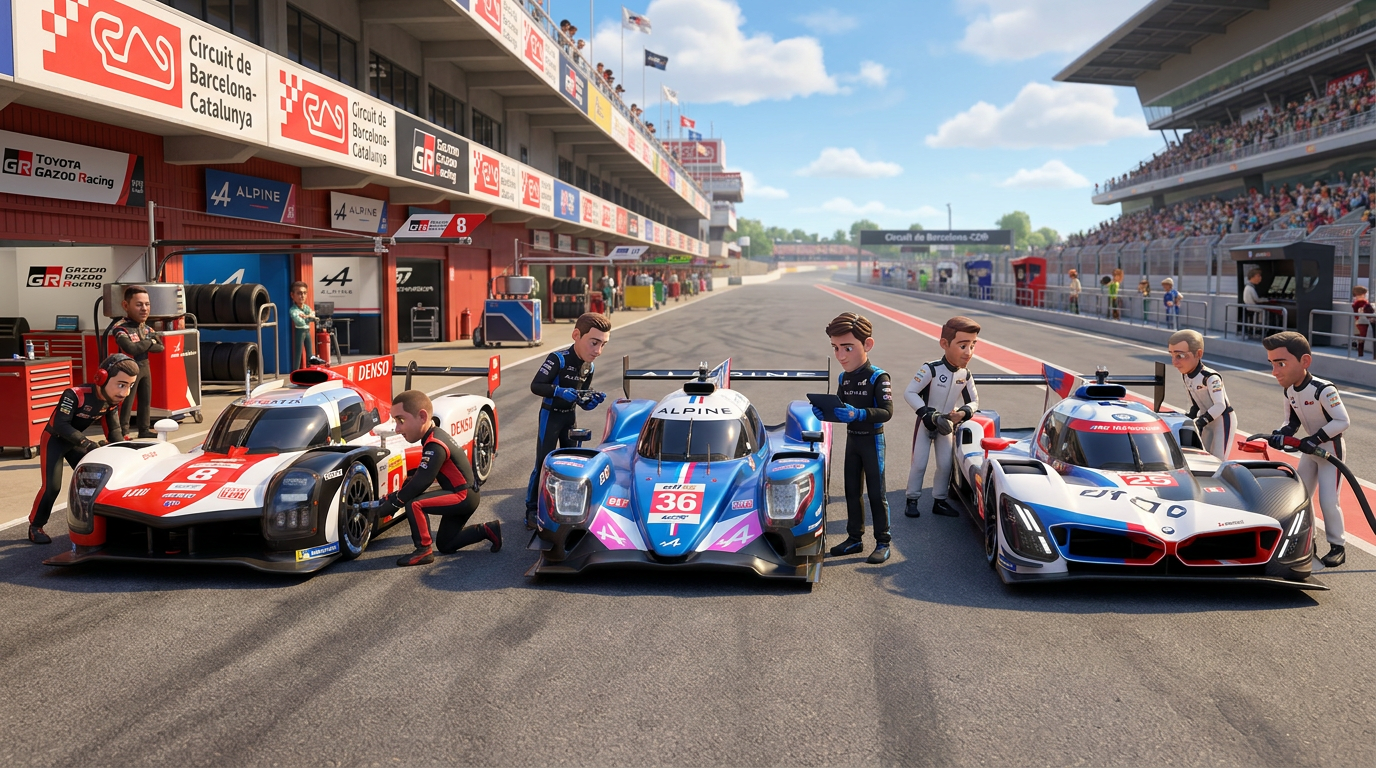
The FIA World Endurance Championship’s next strategic test is now clear: Barcelona will reward teams that protect their title position without surrendering opportunities in traffic, pit windows and caution periods.
Fuji showed how quickly an endurance race can move away from underlying pace. With Barcelona scheduled for Oct. 15 to 18, the contenders must now decide how aggressively to chase track position while avoiding the incidents and operational errors that can erase an entire points haul.
Fuji reinforced the value of track position
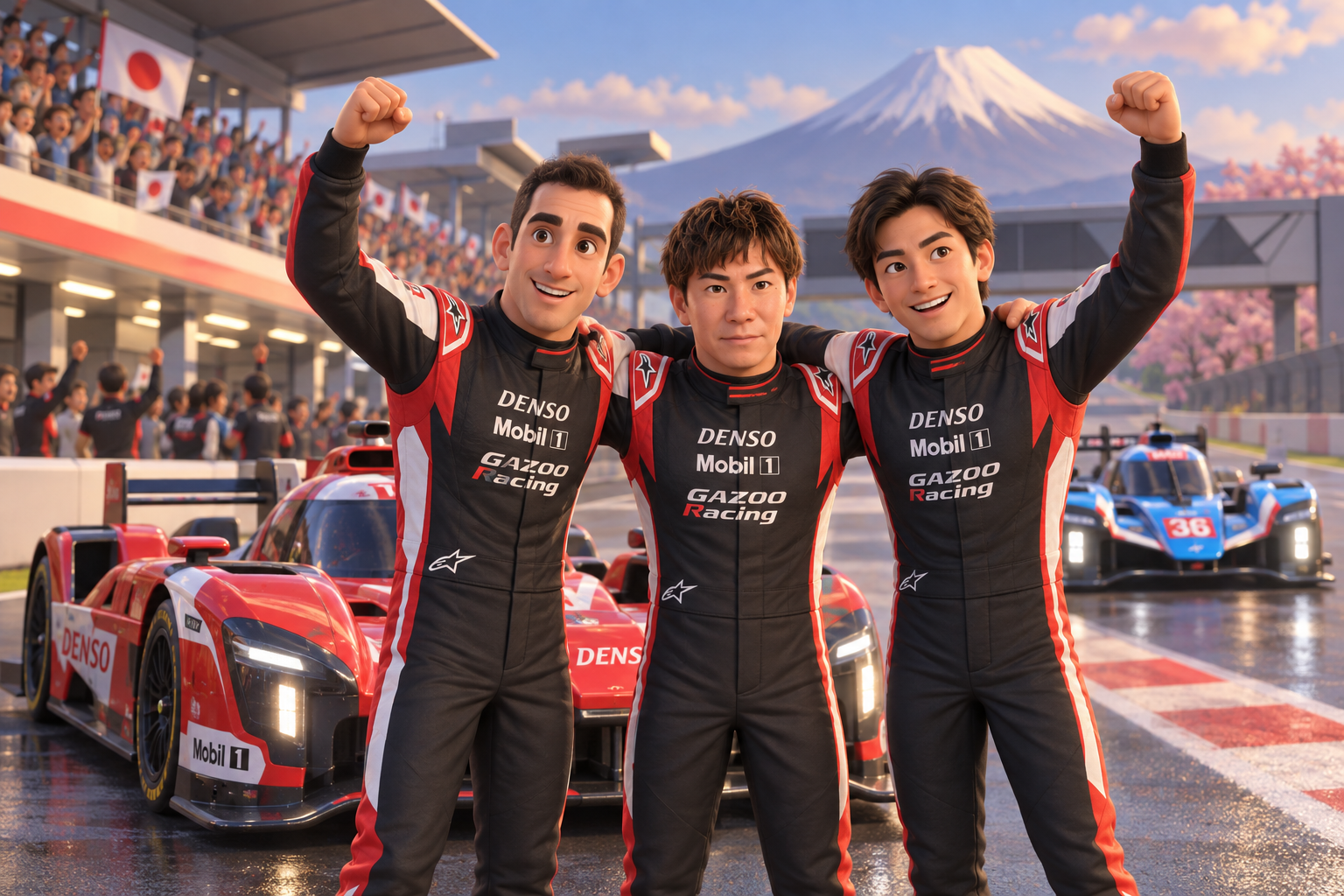
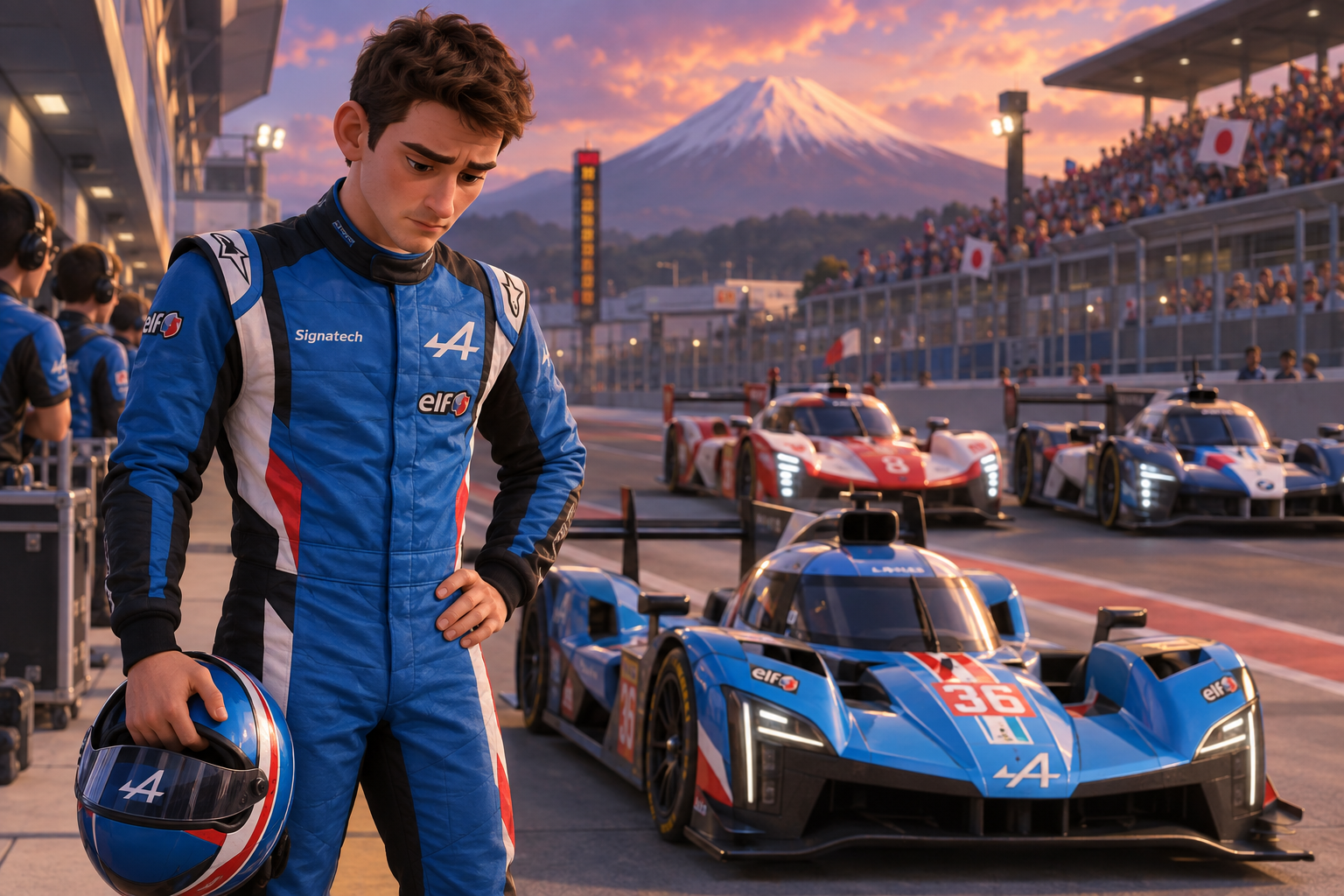
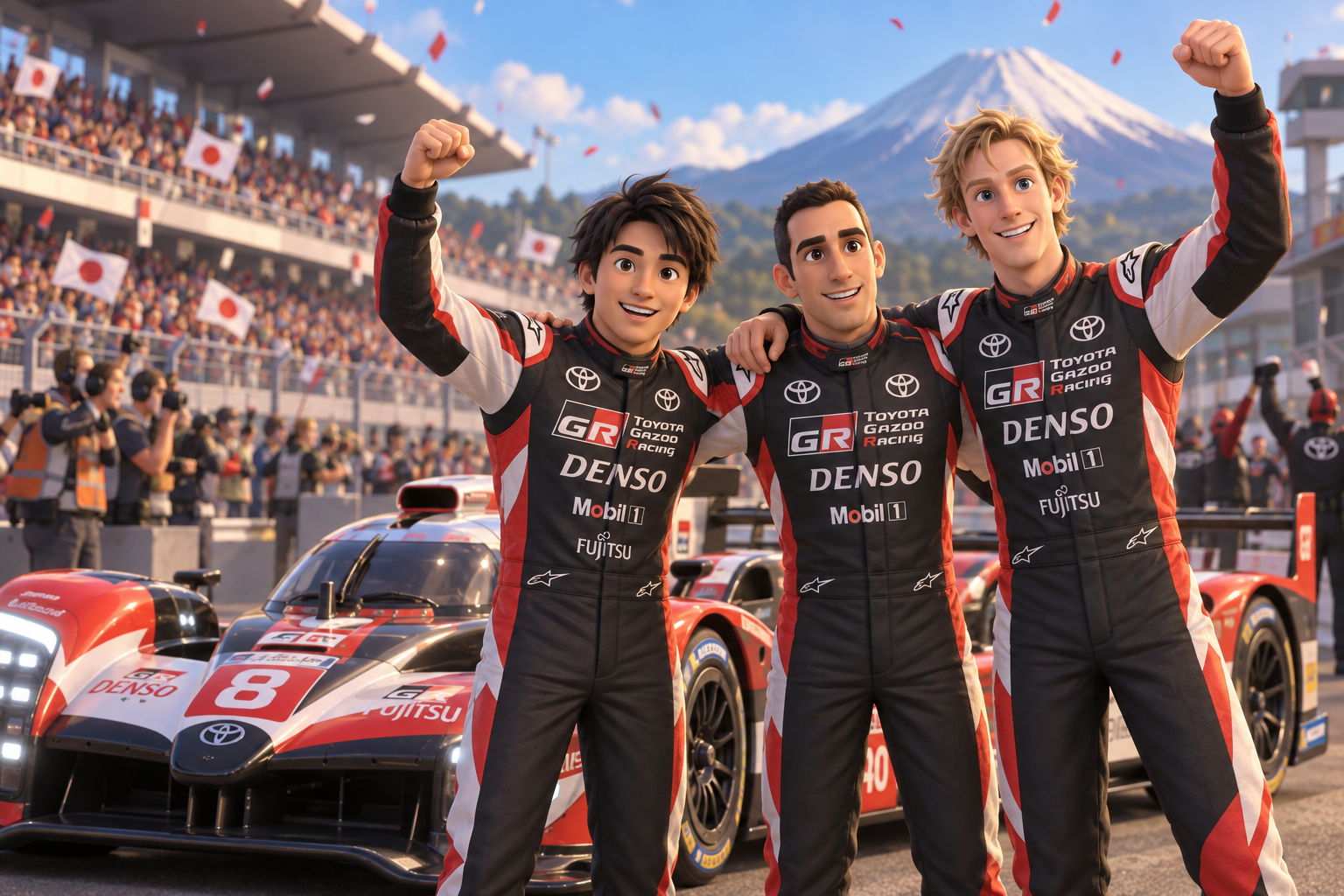
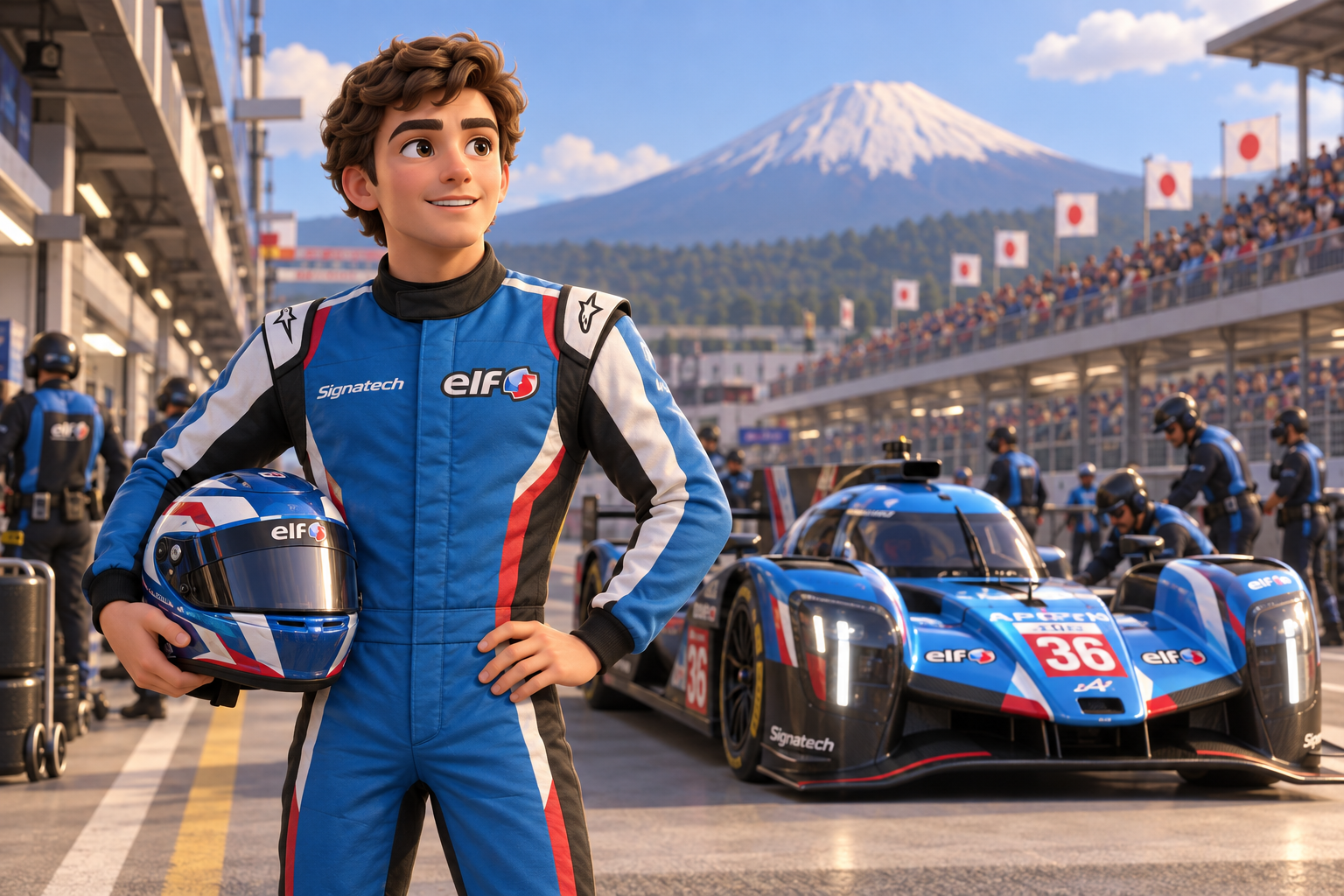
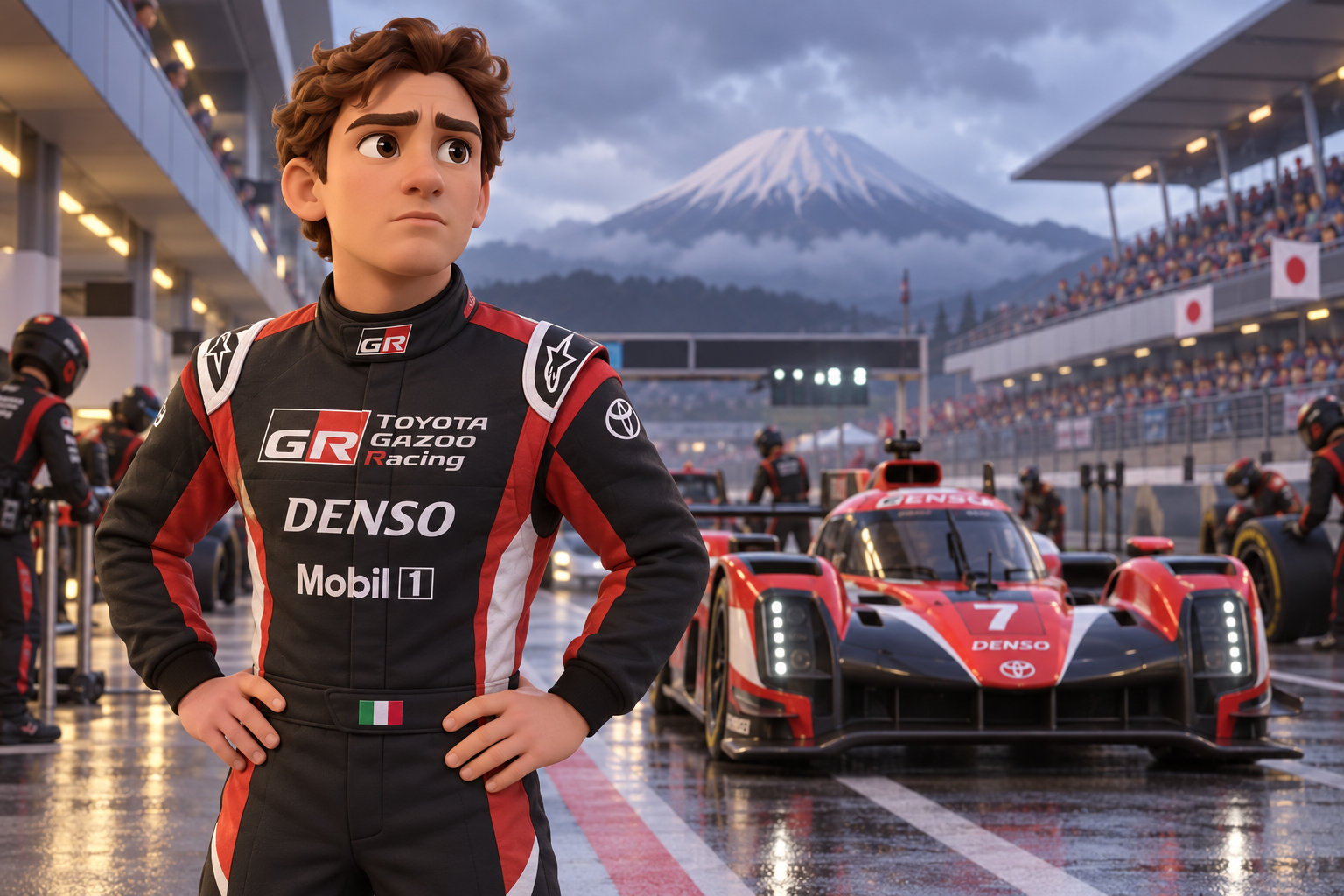
The official WEC account said Alpine led 166 laps at Fuji and had been in contention for a 1-2 finish before a late safety car changed the race. Toyota’s No. 8 crew of Sébastien Buemi, Brendon Hartley and Ryo Hirakawa ultimately collected 25 points, while Jules Gounon and Victor Martins scored 18.
Kevin Magnussen, Raffaele Marciello and Dries Vanthoor received 15 points for third, according to the published Fuji classification snippet. Those figures are race points from Fuji and should not be treated as a complete championship table.
The result nevertheless supplied a clear strategic warning. Leading for most of a six-hour race does not protect a crew from a late neutralization, particularly when rivals retain enough fuel and tire flexibility to change course.
Barcelona puts pit windows under scrutiny
At Barcelona, teams will again have to balance the shortest theoretical race time against protection from traffic and caution periods. Stopping early can provide an undercut if fresh tires immediately produce faster laps, but it also extends the following stint and increases exposure to a badly timed safety car or virtual safety car.
An overcut carries the opposite trade-off. Staying out can preserve flexibility and exploit clear air, but worn tires or slower traffic can wipe out the benefit before the stop is completed.
Those are standard endurance-racing calculations rather than guarantees about Barcelona. The available reporting does not establish which contender will have the strongest tire life, fuel use or outright pace at the Spanish circuit. That information will emerge only when the cars begin running.
Neutralizations complicate every calculation
Motorsport.com reported that Buemi questioned race control’s use of virtual safety car and full-course-yellow procedures after Fuji. His comments followed a race in which the late interruption materially altered the order.
For strategists, the unresolved challenge is not simply predicting whether an interruption will occur. They must prepare for several possibilities at once: a short neutralization that rewards staying out, a longer period that makes a stop cheaper, or a restart that creates immediate tire-temperature and traffic risks.
A crew that commits too early can lose options. One that waits too long can surrender track position that is difficult to recover, even with a faster car.
Team orders remain a risk calculation
Multi-car manufacturers also face decisions over whether to protect one entry or preserve equal opportunities. Fuji demonstrated the potential cost of that choice. Motorsport.com previously reported that Alpine declined to sacrifice one car while fighting for victory, with the winning margin ultimately recorded as 0.591 seconds.
Barcelona could produce the same tension if sister cars run together late in the race. Holding position may protect a combined result, while changing the order could improve one crew’s victory prospects at the cost of the other. No team has announced a Barcelona team-orders policy in the supplied material.
That means any claim that a manufacturer has already chosen a lead entry would be premature. The running order, tire condition, fuel position and championship standings at the time will determine whether such a call is available or necessary.
Risk must be measured against verified points
The supplied sources do not provide a complete current championship table, so precise title gaps cannot be stated reliably. What can be established is that Fuji awarded 25 points to the winning Toyota crew, 18 to the second-place Alpine pairing and 15 to the third-place BMW trio.
That makes clean execution essential, but it does not support declaring any crew the title favorite or assigning a must-win target. Teams need to base their decisions on the official full standings, not a single-race points extract.
Barcelona is scheduled to precede the 2026 finale at Monza on Nov. 6 to 8. Once practice establishes tire behavior and comparative pace, the contenders will have firmer evidence for choosing between an aggressive undercut, a flexible overcut and the safer priority of banking points before the final round.