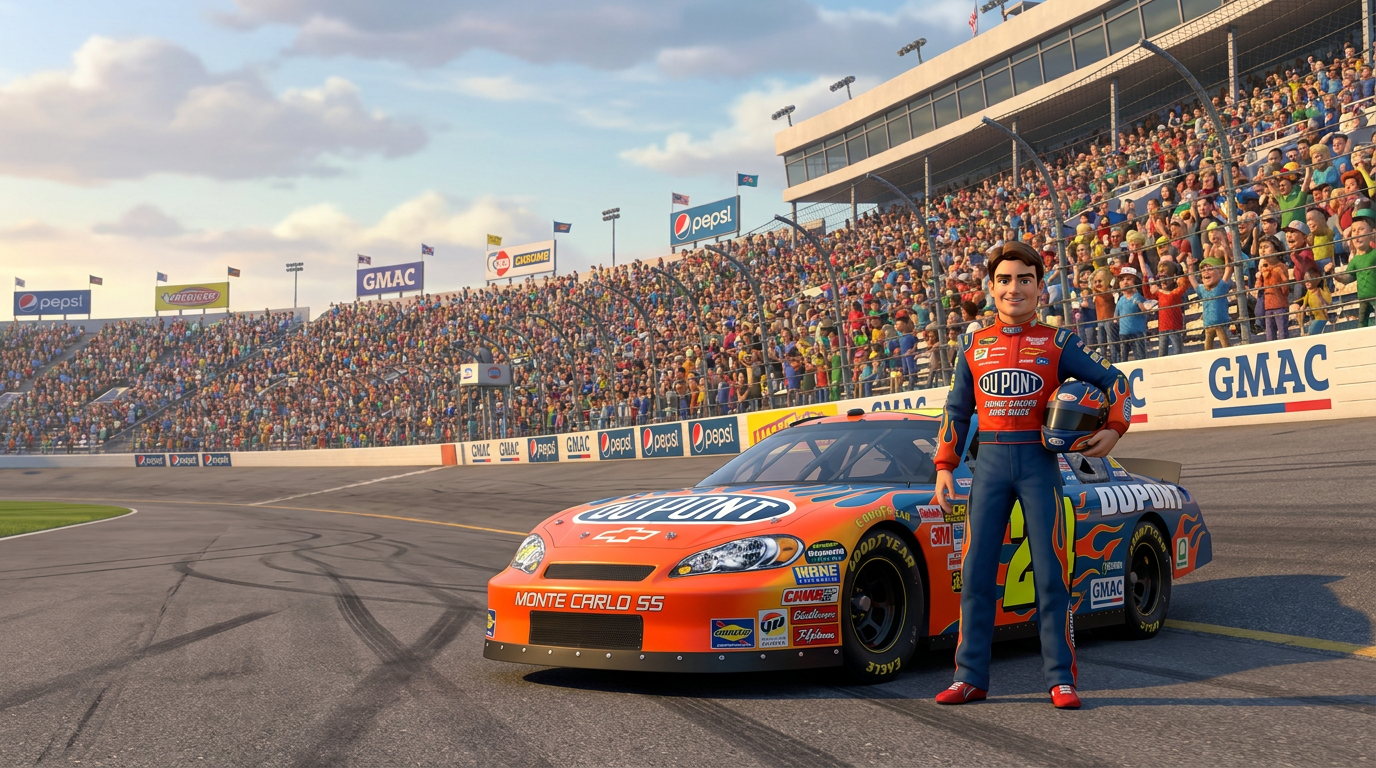
Jeff Gordon’s 93 wins lead NASCAR’s modern-era title giants, but Richard Petty’s 200 victories and seven championships still set the standard.
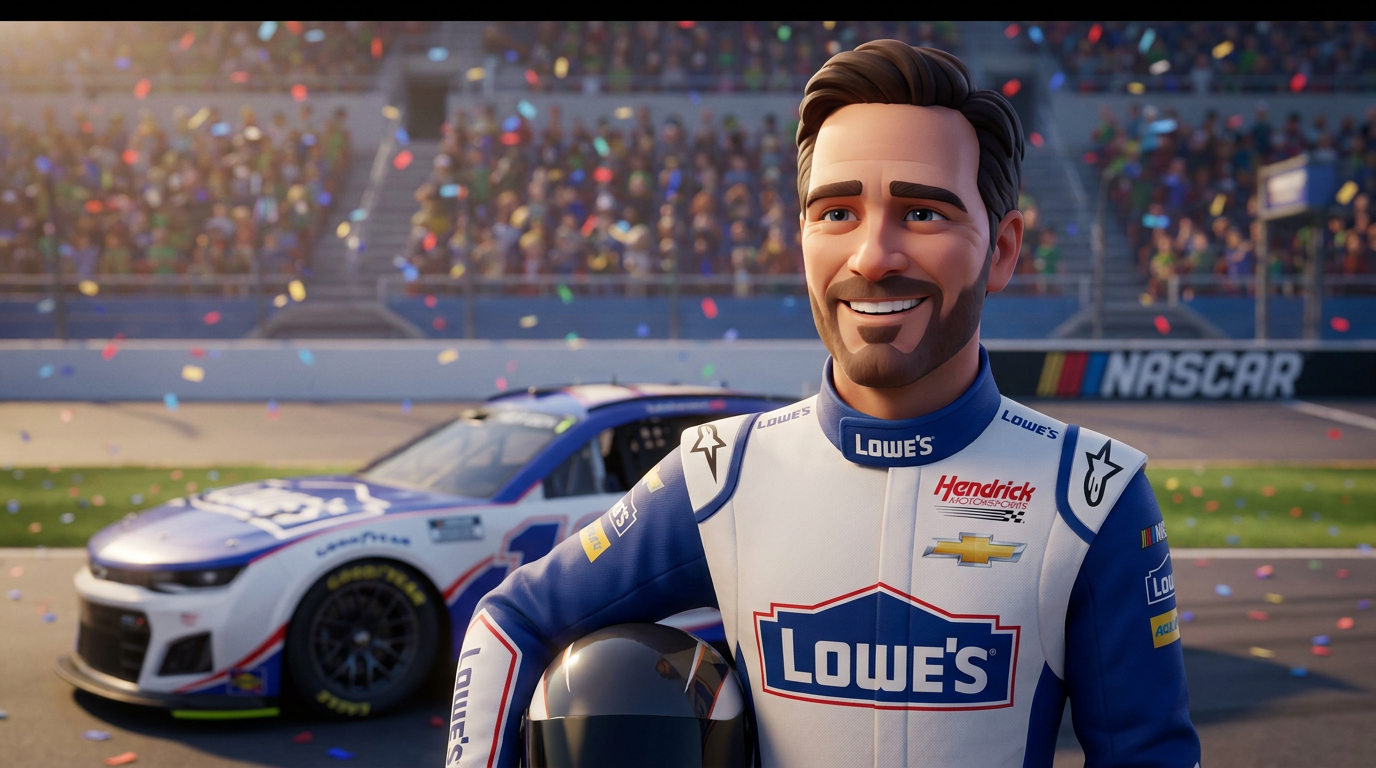
Hendrick Motorsports announced this week that its neon-yellow car numbers will return for the 2027 NASCAR Cup season. The visual signature is closely tied to Jeff Gordon’s era, and its revival brings a useful question back into NASCAR’s G. O. A. T. debate: which driver assembled the strongest record under modern conditions?
Richard Petty holds the broad historical lead. His 200 Cup victories and seven championships are a combination nobody has matched. Gordon, though, occupies a distinct place between Petty’s enormous totals and Jimmie Johnson’s championship-heavy résumé. His 93 wins are the highest total among the leading modern-era title cases in the supplied record set.
Gordon owns the modern wins argument
Gordon won four Cup championships and 93 races. Johnson recorded seven titles and 83 victories, while Dale Earnhardt combined seven championships with 76 wins.
Gordon leads Johnson by 10 wins and Earnhardt by 17.
Gordon’s case rests on balance. Johnson has a clear championship advantage, seven to four, but Gordon won more races. Earnhardt also leads Gordon in titles, although his victory total trails Gordon’s by a larger margin. Among those three modern giants, Gordon has the strongest wins-based profile. A title-first ranking still favors Johnson and Earnhardt.
Petty occupies a different statistical tier. His 200 wins are 107 more than Gordon’s total, and his seven championships give him a three-title advantage. By these figures, Gordon isn’t the overall record-book leader.
Johnson changed the title standard
Johnson won seven championships between 2006 and 2016. He tied Petty and Earnhardt atop the Cup title list, leaving Hendrick Motorsports with two fundamentally different G. O. A. T. candidates.
Johnson’s case starts with championships.
Gordon’s starts with 93 wins and four titles. That contrast forces any ranking to state its priorities. A title-weighted system puts Johnson higher. A broader measure rewarding accumulated race victories narrows the gap, but it doesn’t wipe away three championships.
Hendrick’s historical strength can’t be represented by a single driver archetype. Gordon delivered the higher victory total, while Johnson produced the longer championship list. Their records also give the returning neon-yellow numbers significance beyond their appearance. They point back to an organization that fielded two separate answers to modern NASCAR greatness.
Petty’s benchmark stays out of reach
Petty won his seven championships in 1964, 1967, 1971, 1972, 1974, 1975 and 1979. That 15-year span shows his longevity, and 200 victories provide the statistical separation.
If wins and championships are the two primary measurements, the numbers put Petty atop the overall G. O. A. T. ranking. He ties Johnson and Earnhardt in one category, then dominates the other. Petty leads Johnson by 117 victories and Earnhardt by 124.
Cross-era comparisons still need context. NASCAR’s schedules, points formats and competitive structures changed substantially from Petty’s first title in 1964 to Johnson’s last in 2016. The figures can’t account for every difference. They do establish what each driver accomplished within the championship structure available to him.
By that measure, Petty stays first.
Where Gordon fits in an all-time ranking
A defensible order based on the verified core figures starts with Petty. Johnson and Earnhardt form the seven-title pursuit group, followed by Gordon, the four-time champion whose 93 wins exceed both of their victory totals.
This isn’t a complete ranking of every NASCAR great. It is a head-to-head assessment of the four central candidates supported by the available championship and victory records. David Pearson and other historic contenders need additional verified career totals before they can be added to a full table.
Gordon’s strongest claim is narrower, but still significant. If race wins carry greater weight than championship count alone, he is the leading modern-era challenger. Johnson takes the Hendrick comparison on titles, seven to four. Gordon takes it on victories, 93 to 83.
The current Hendrick chapter
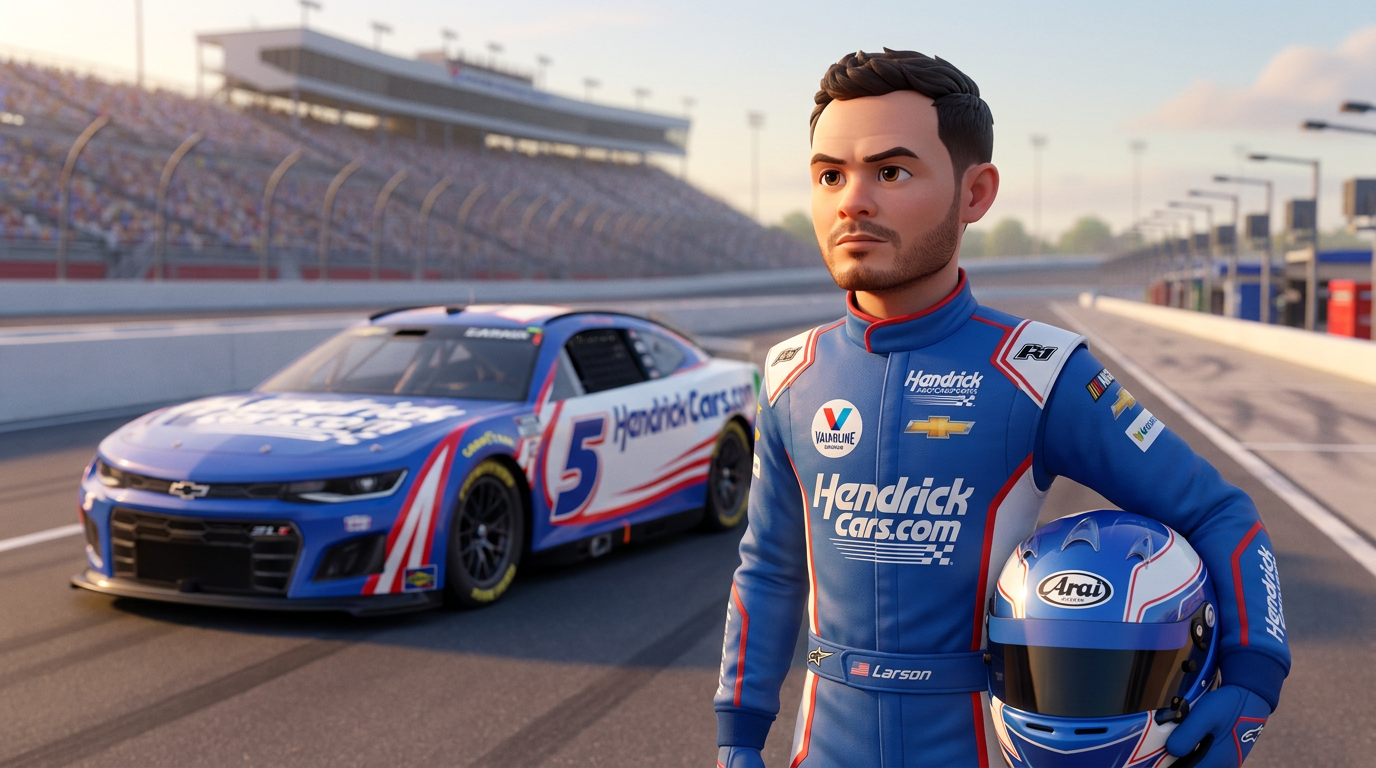
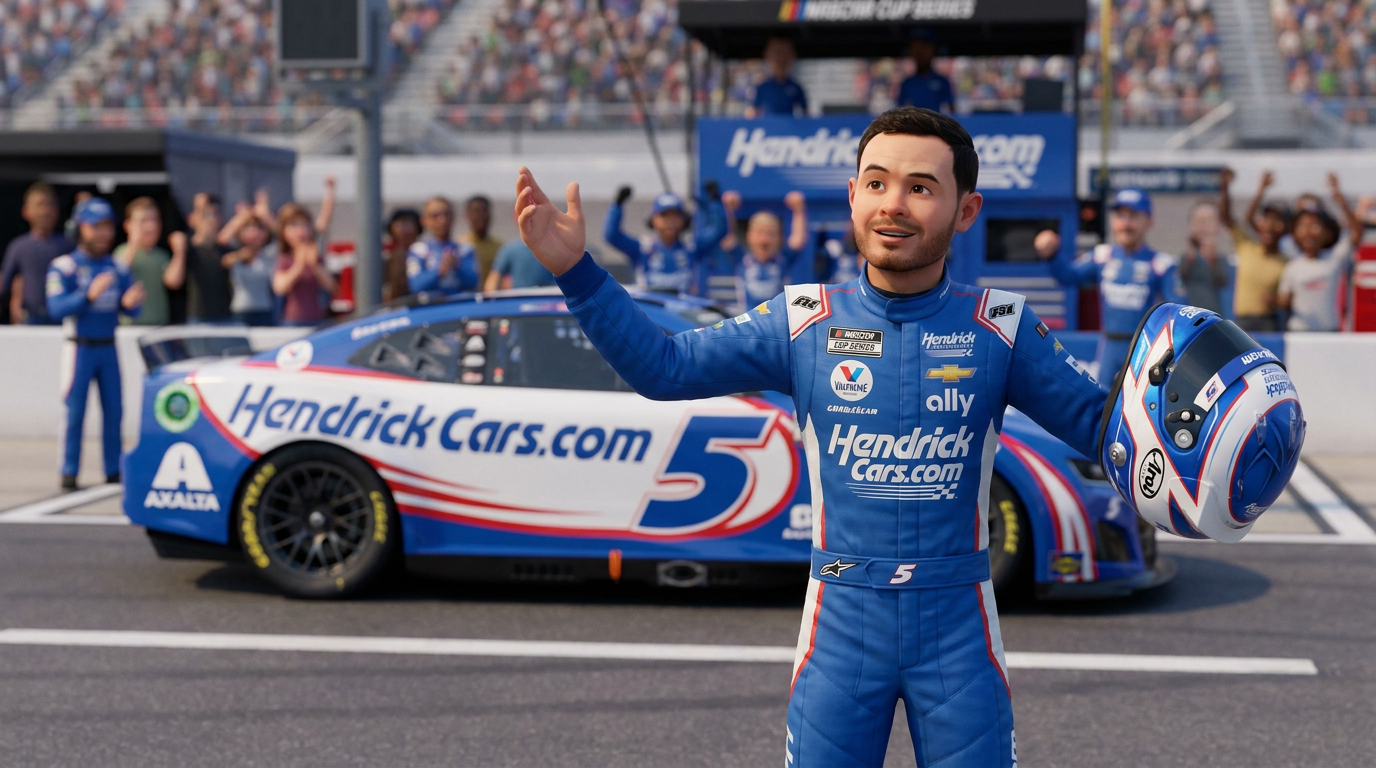
Hendrick’s history remains visible in its current program. On September 13, 2026, Kyle Larson snapped a 51-race winless streak by beating teammate Alex Bowman in overtime at World Wide Technology Raceway. The race featured 18 cautions, two red flags and double overtime.
Larson’s first victory in 16 months lifted him to 2,159 points, nine behind Denny Hamlin’s 2,168. Christopher Bell ranked third with 2,150. Larson’s immediate assignment is still championship accumulation, the currency that elevated Gordon and Johnson from Hendrick stars to all-time benchmarks.
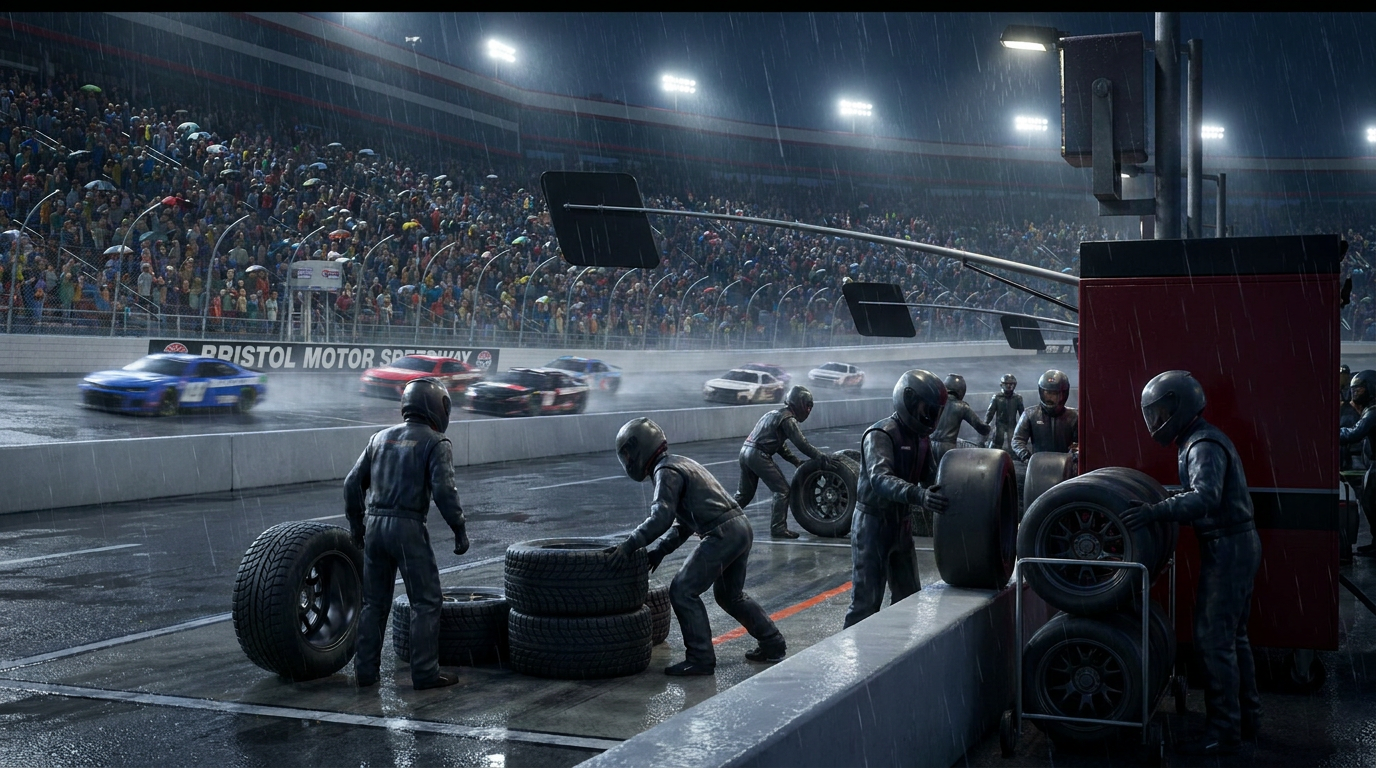
Hendrick’s neon-yellow numbers return for the 2027 Cup season. Before that, Larson goes to Bristol second in the 2026 postseason standings, pursuing Hamlin and another title for the organization Gordon helped define.