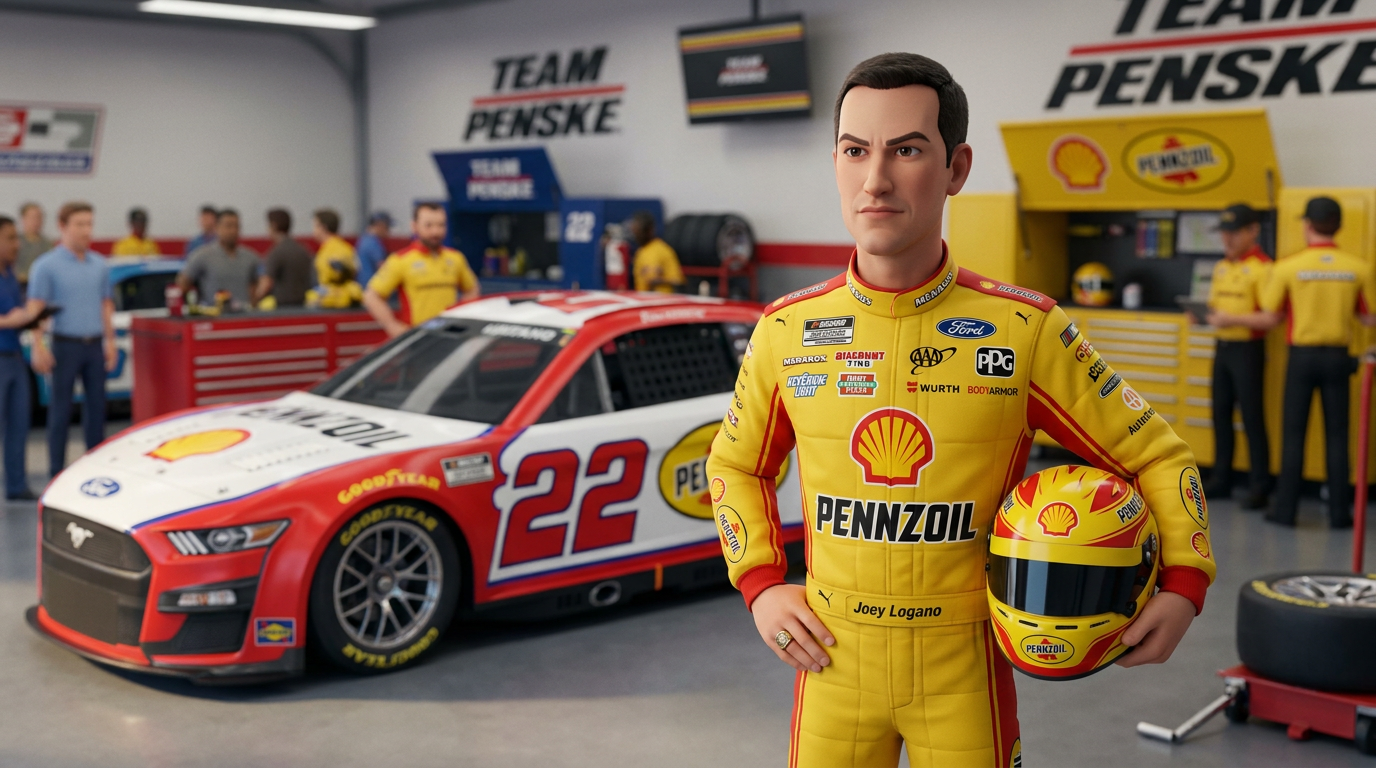
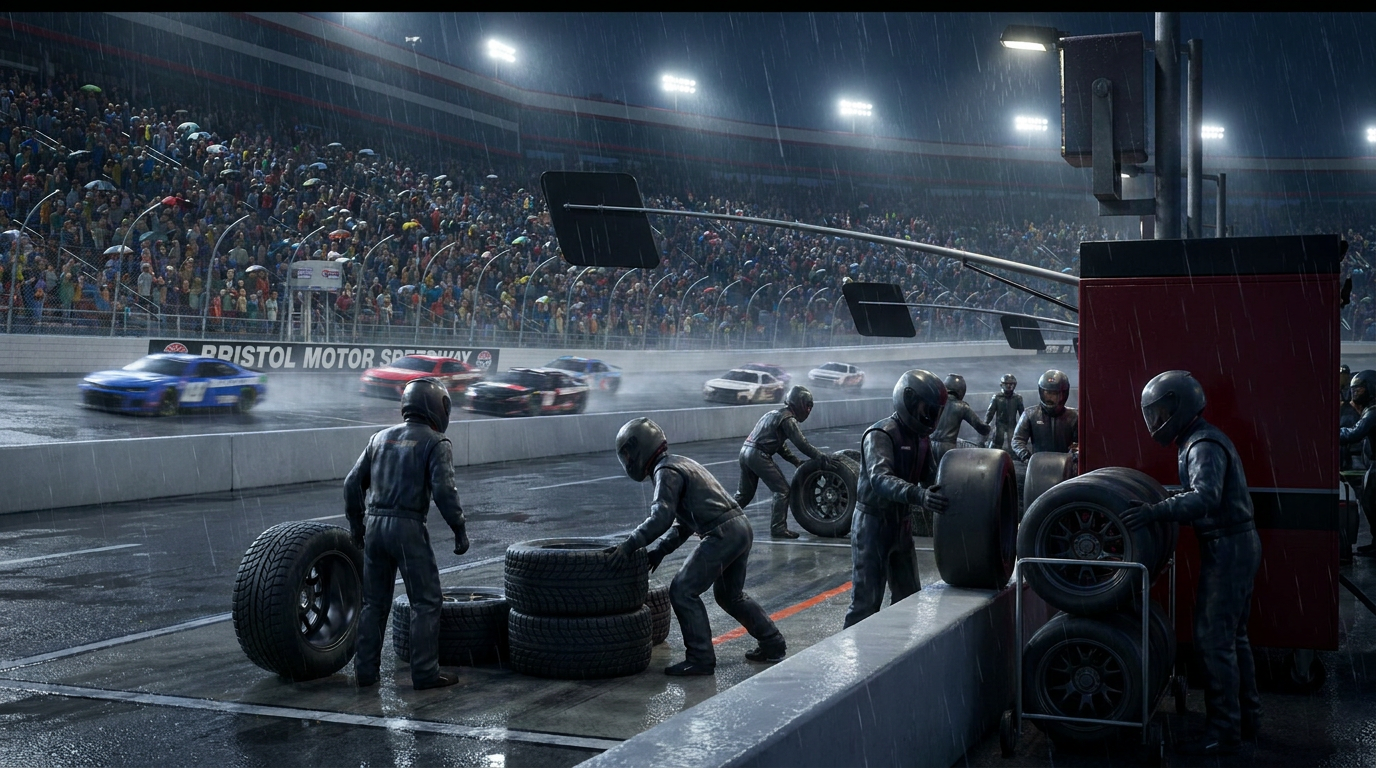
NASCAR's revised Bristol wet-weather tire policy gives Cup teams control over the switch between wet-weather tires and slicks, putting strategy back on the pit box.
NASCAR changed its wet-weather tire policy for Bristol on September 16, putting the sanctioning body on the right side of a long-running rules debate. Once racing starts at approved ovals, teams will have greater control over whether they run wet-weather tires or slicks. That decision belongs on the pit box.
Strategy should have consequences
Team discretion brings real risk. A crew chief who changes to slicks too early may send a driver onto a damp track without enough grip. Wait too long, and the team can lose track position as the surface dries. Those calls depend on tire behavior, driver confidence, and changing conditions. They are racing decisions.
Yes, mistakes will decide outcomes. That is the point.
NASCAR should still decide whether conditions are safe enough for competition. Safety cannot become a strategic variable. Once that threshold is met, race control should allow teams to read the track and live with the outcome. Fans can understand why one car found time on slicks while another took a cautious approach. They are less likely to accept every tire change being ordered from above.
Gateway showed why control matters
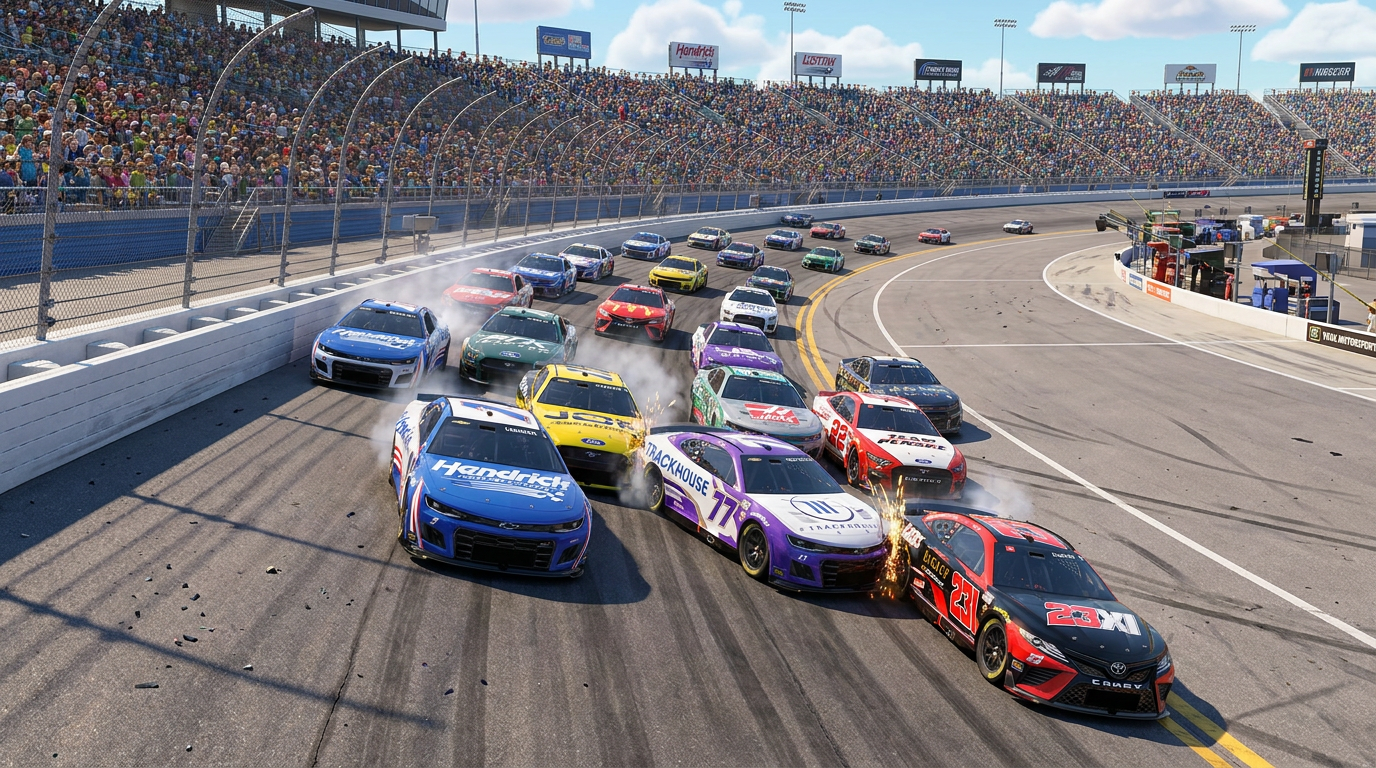
The timing matters. The 2026 Cup race at World Wide Technology Raceway had 18 cautions, two red flags, and double overtime. Bubba Wallace called the event “embarrassing” for the drivers and delivered a blunt verdict: “Everybody hit everything”.
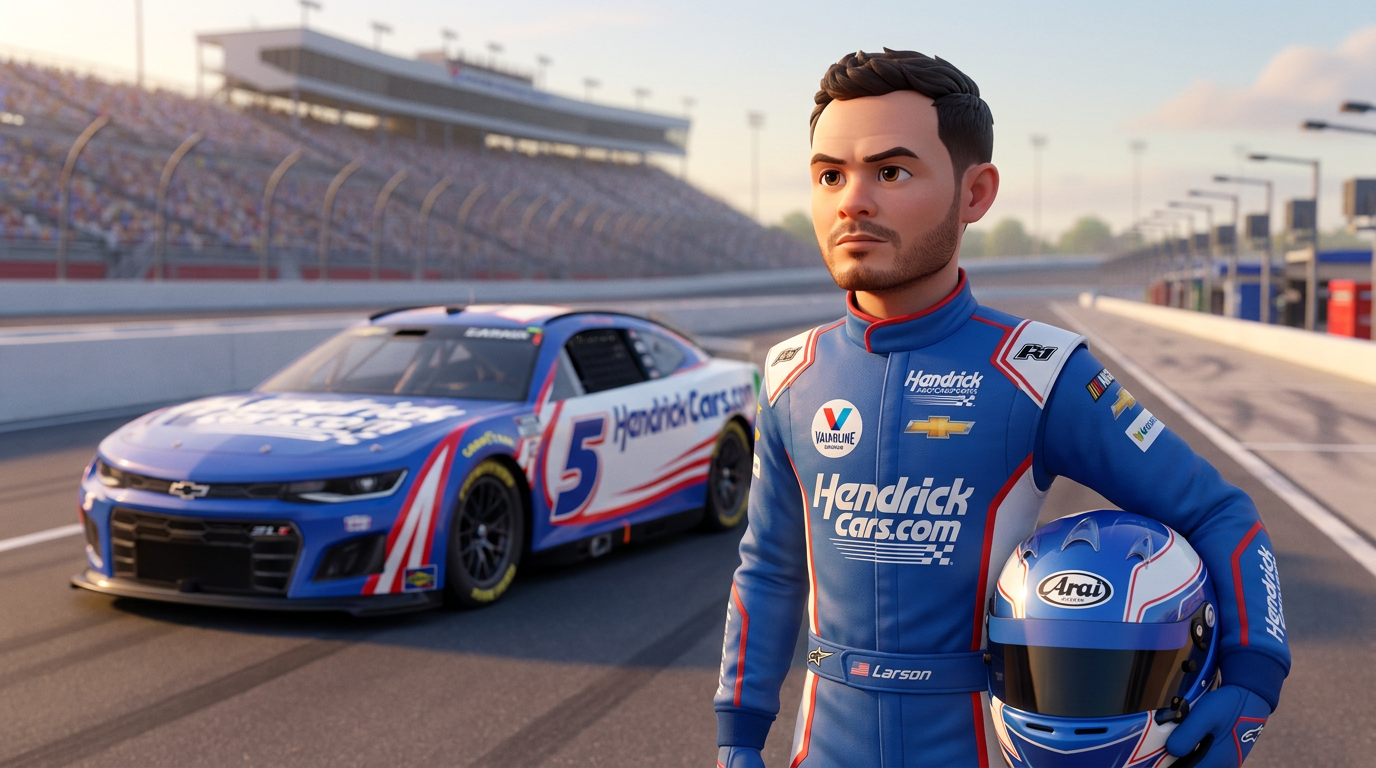
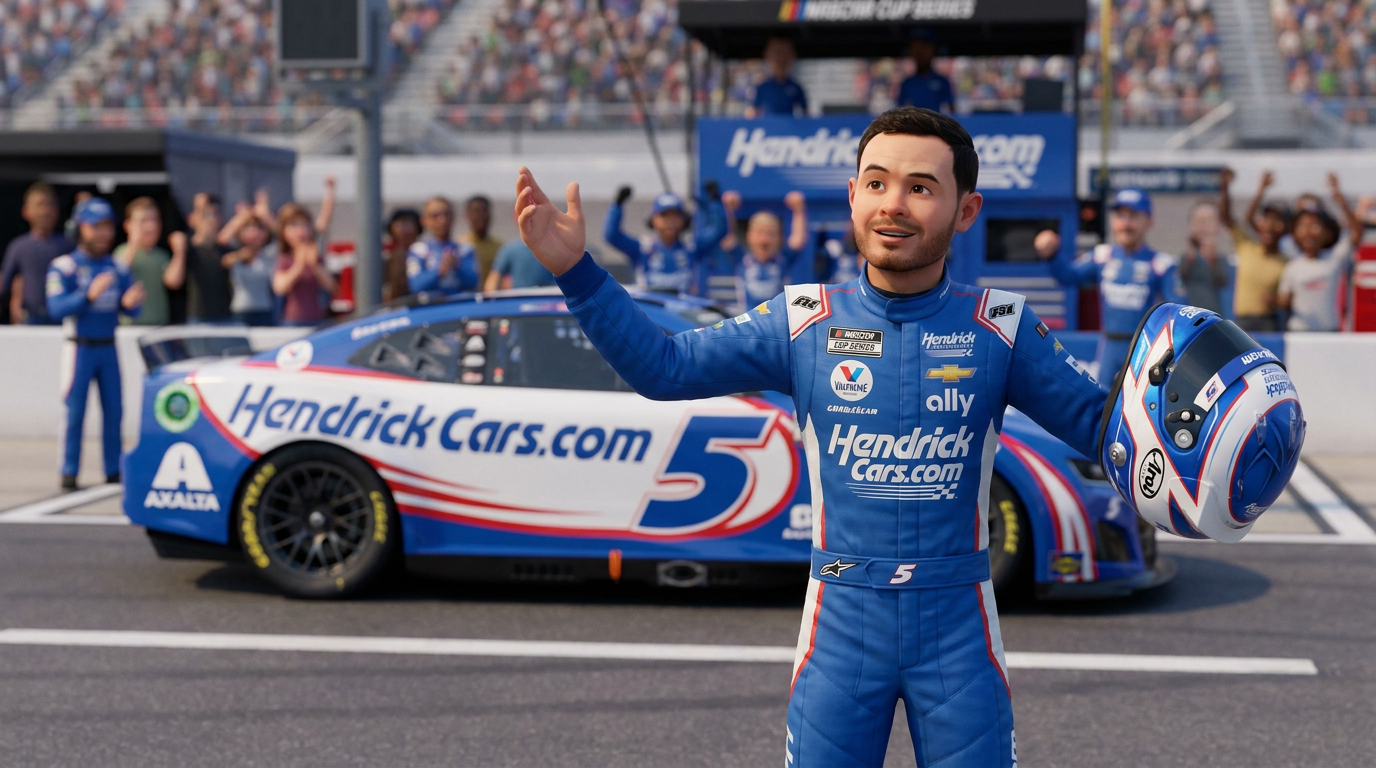
Kyle Larson still secured a major result. He ended a 51-race winless streak by beating Hendrick Motorsports teammate Alex Bowman in overtime. Larson earned 73 points, Bowman scored 38, and third-place finisher Joey Logano took 54. Still, the interruptions became as prominent in the discussion as Larson's first victory in 16 months.
Bristol's weather should not produce another race defined by constant instructions from race control. The revised protocol reduces that risk. It will not eliminate cautions or tough judgment calls, but it puts competitive responsibility back where it belongs.
NASCAR needs consistent trust
A broader principle applies. NASCAR too often asks teams to compete within a tightly controlled spectacle, then points to unpredictability as evidence of competitive health. A better approach is to set clear safety boundaries and let participants make consequential decisions within them.
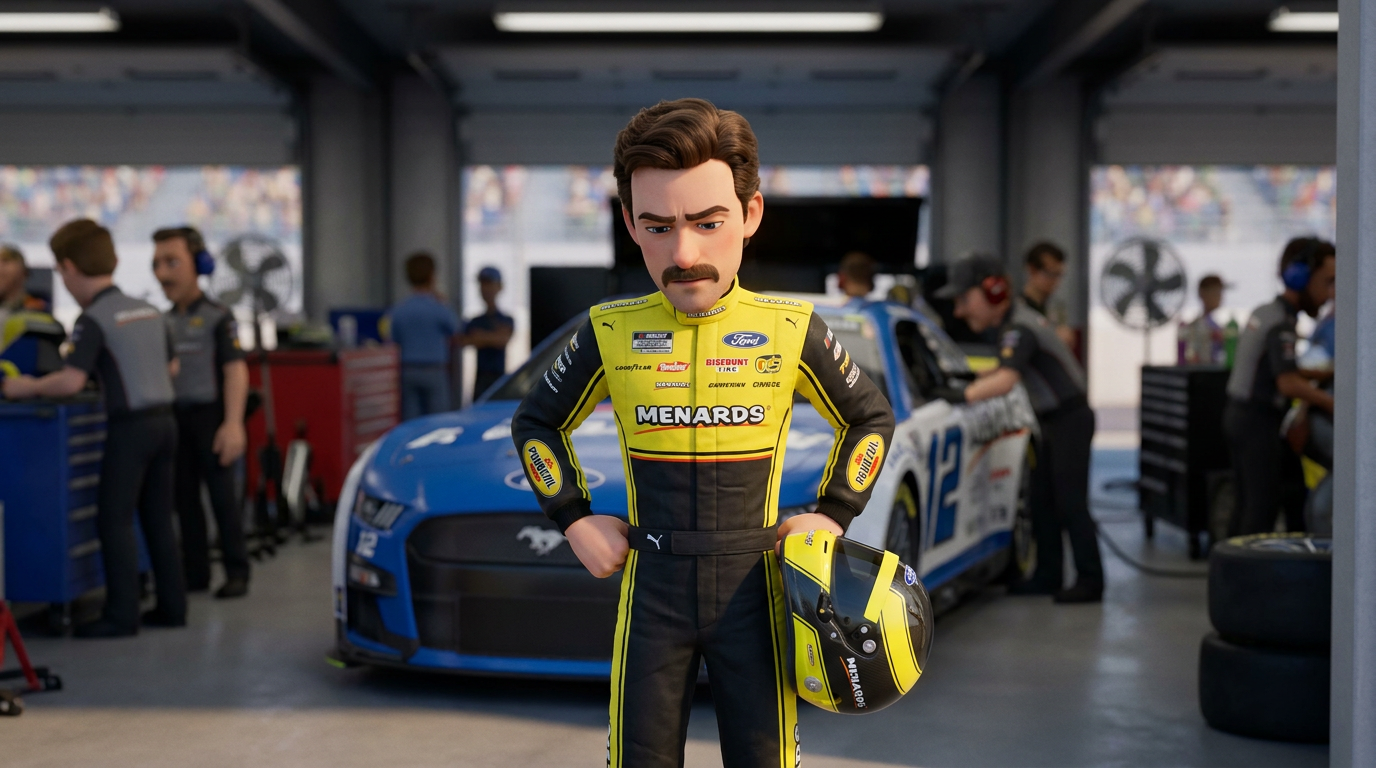
The Daytona package offered another useful example on August 29. Rules designed to encourage passing and deter fuel saving changed how drivers approached the regular-season finale. Chase Briscoe said the package made the event “a lot of fun”. Ryan Preece then won in overtime with a last-lap pass, earning his first points-paying Cup victory and first Chase berth.
That adjustment addressed a specific competitive problem. Bristol's tire rule uses the same logic, though it does so through freedom rather than restriction. Both changes focus on what cars and teams do on the track instead of creating a storyline after the race starts.
The championship contrast is clear
Approval of the Bristol policy also strengthens the case against NASCAR's broader philosophy. If teams can be trusted to make a difficult tire choice on a changing oval, the series can give season-long results greater weight in the championship.
After Gateway, Denny Hamlin led the Cup standings with 2,168 points. Larson was second with 2,159, just nine points back, while Christopher Bell held third with 2,150. Larson's 73-point day changed his position after one chaotic race. That creates tension, but compressed postseason scoring gives a single overtime result an outsized impact.
The wet-weather policy takes the opposite approach. It rewards information and execution while holding teams accountable, all without an artificial reset. NASCAR should carry that thinking into other areas. Set firm safety rules, define technical limits, and stop stepping in whenever organic competition becomes uncomfortable.
Bristol gets the first test
The revised protocol gets its first live examination during the Bristol Cup weekend from September 17 through September 19. Practice is scheduled for September 18 at 16:30, with qualifying at 17:40. The race is set for September 19 at 19:30.
If rain reaches the approved oval, crew chiefs will have a greater say in deciding when wet-weather tires have outlived their usefulness. Some will make the wrong call. Others may win the race with one brave decision. NASCAR should resist saving either group from the consequences.