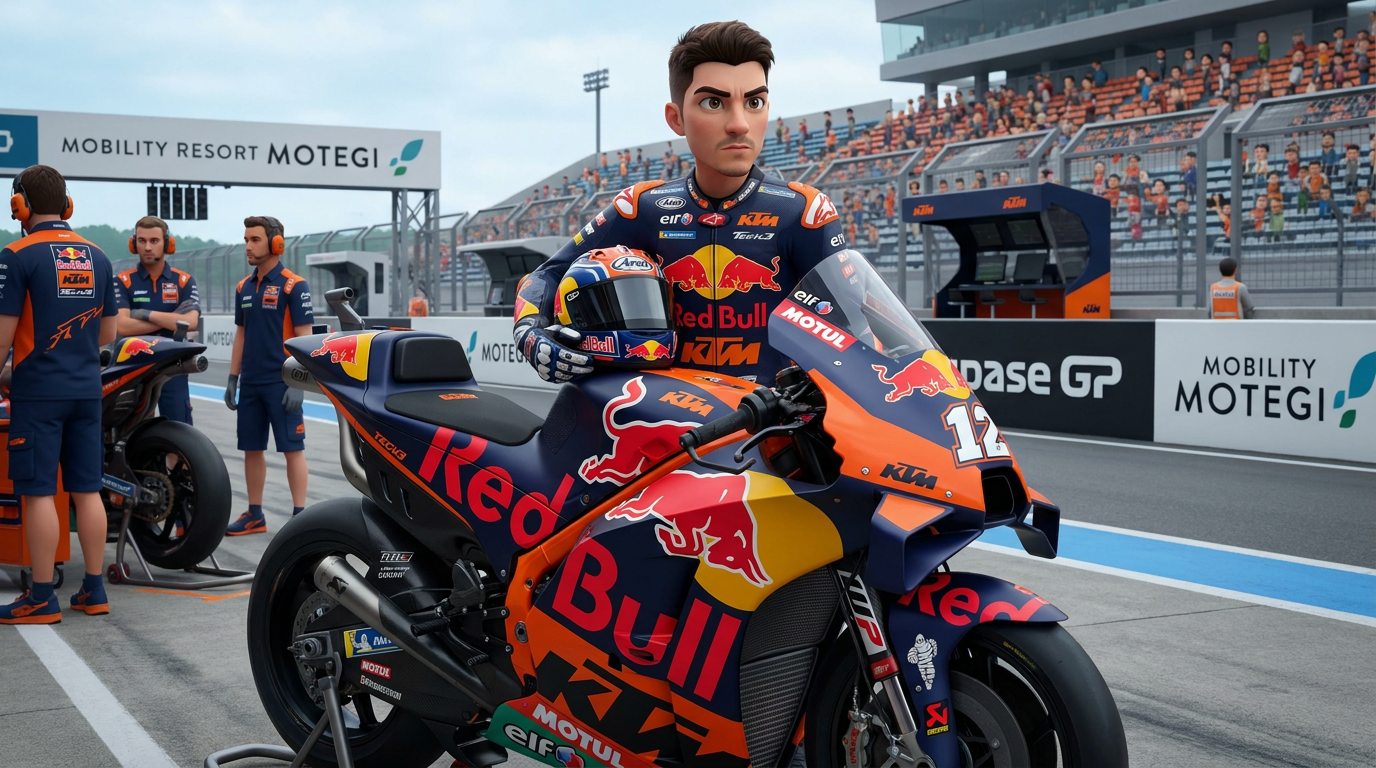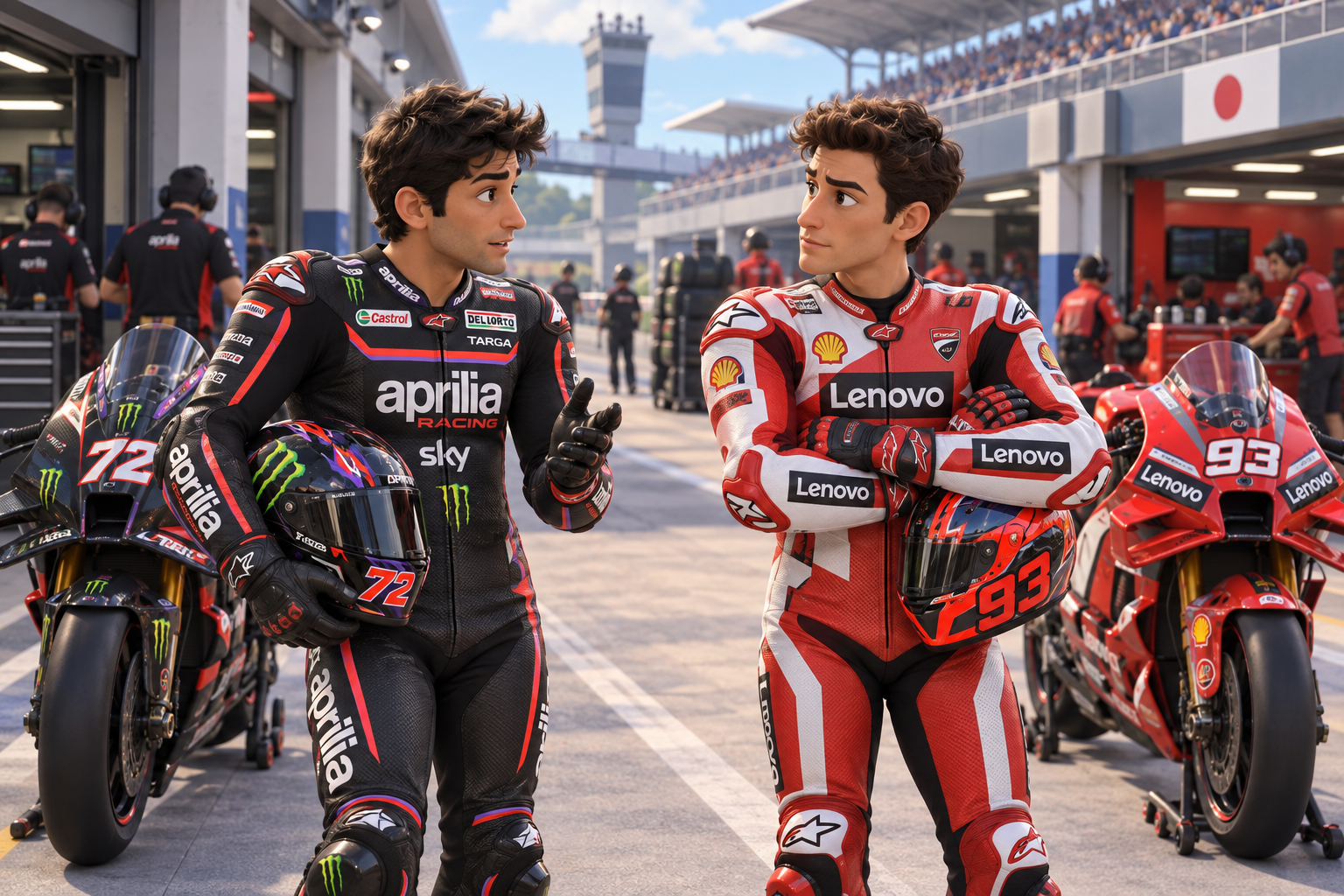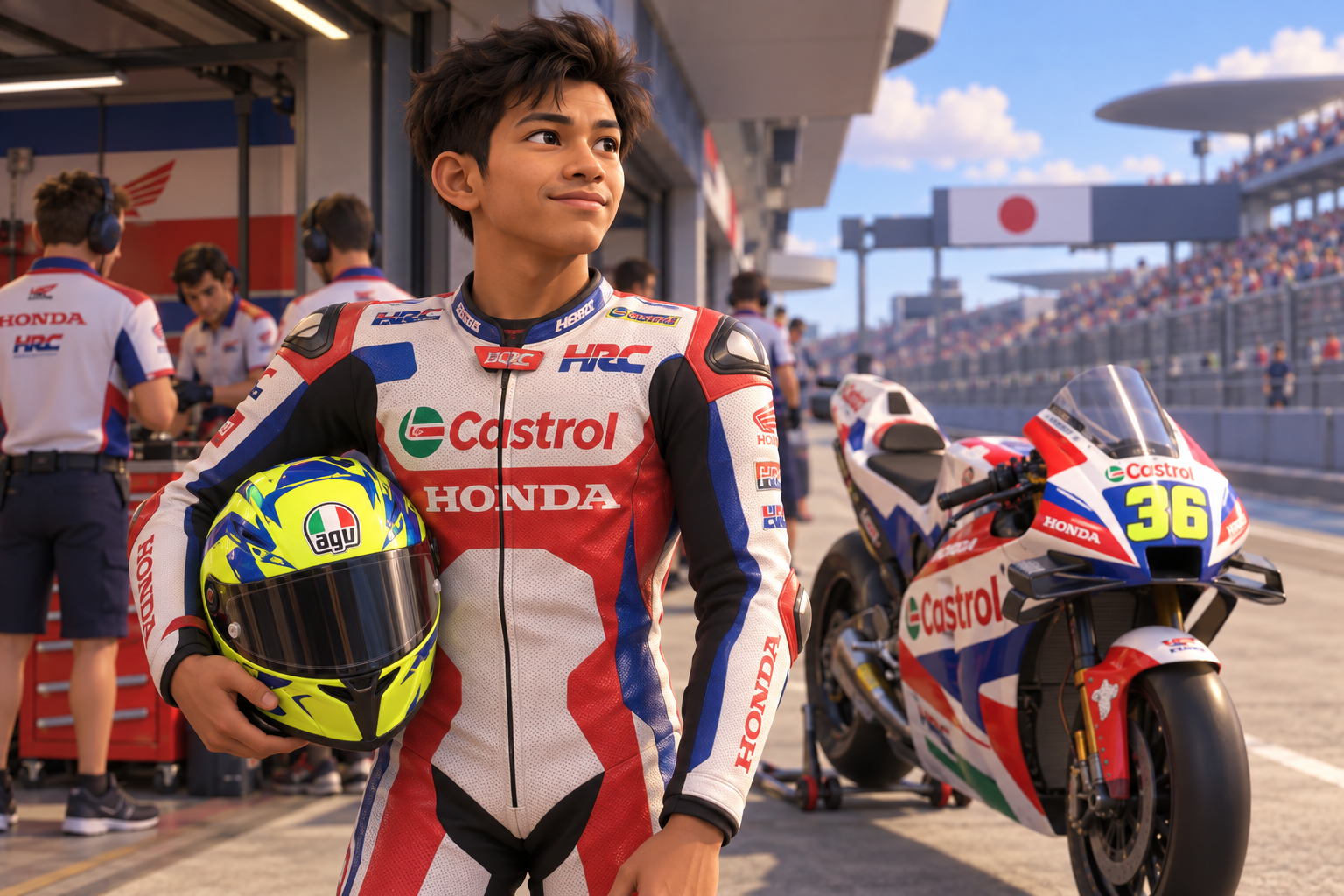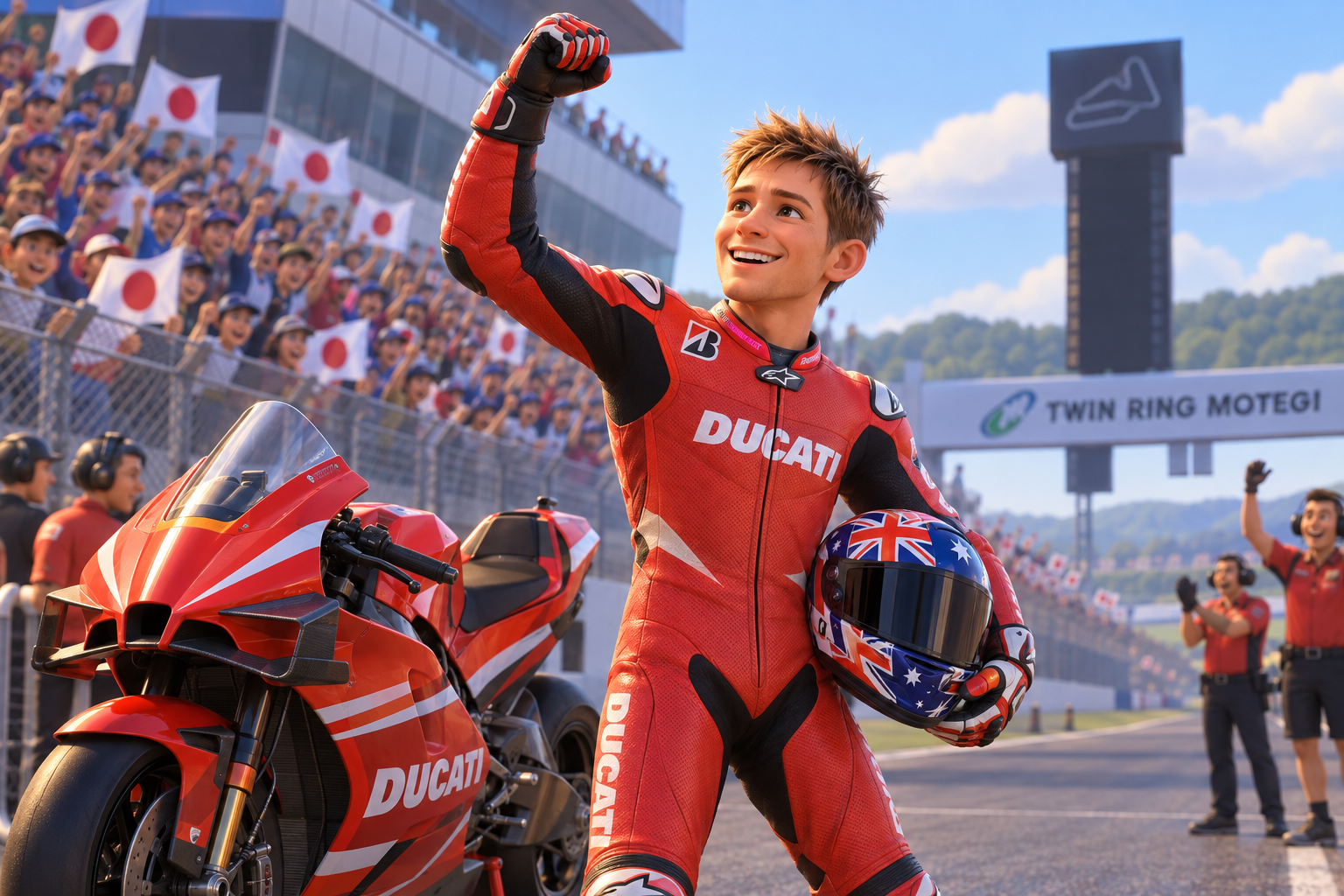
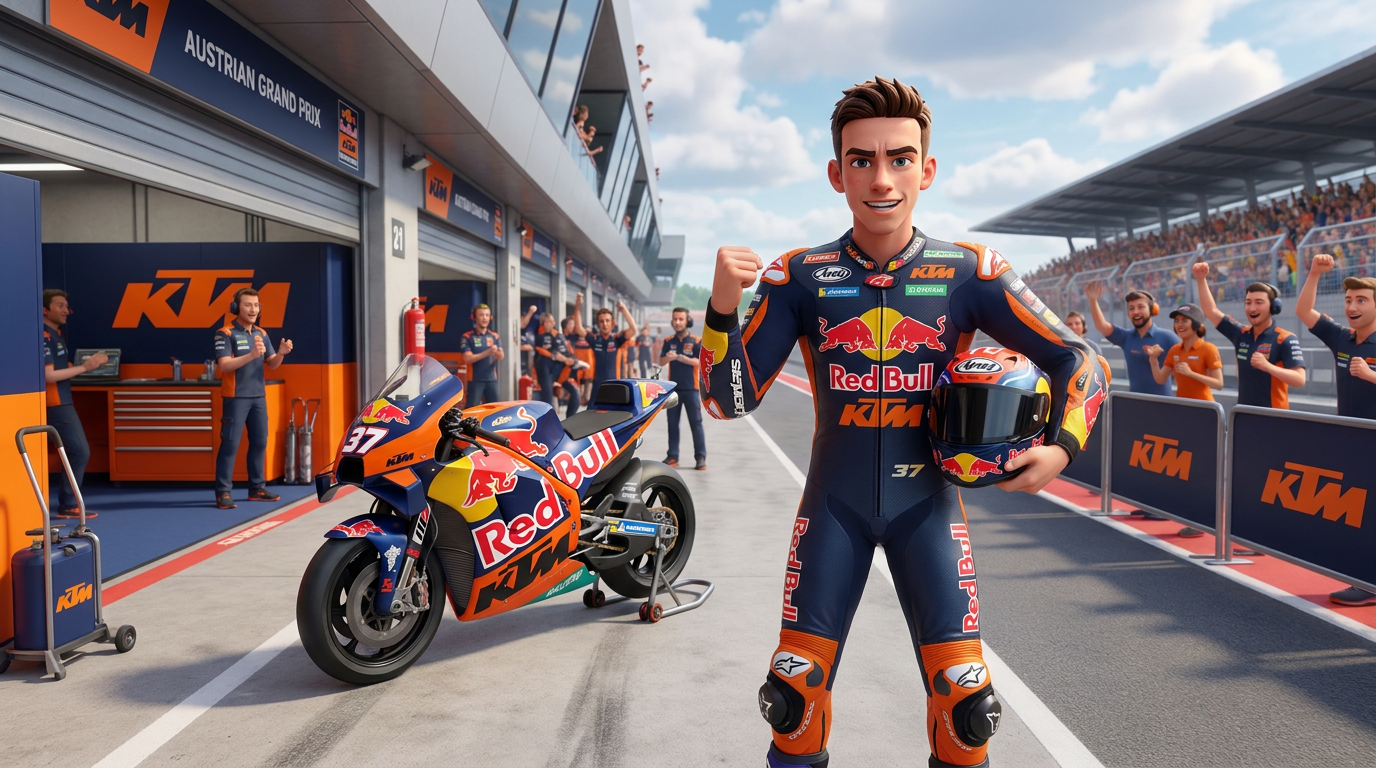
As MotoGP gears up for one of the most profound regulation changes in its history, the stakes are high for restoring competitive parity and excitement.
This transformation comes at a crucial time when technical disparities and the need for innovation and reduced costs are more pressing than ever. The central question is: will these changes succeed in leveling the playing field, or will they introduce new challenges that could further widen the gap among teams? This article delves into the specifics of these upcoming regulations and evaluates their potential impacts on the sport.
Engine Capacity: A Strategic Reduction
At the heart of the 2027 regulations is the shift from 1000cc to 850cc engines. This significant change recalls the 2007 reduction to 800cc which caught many manufacturers off guard, notably Honda. This time, though, the alignment of reduced power and stricter aero limits promises a more balanced and less chaotic transition. But achieving this balance relies heavily on manufacturers learning from past missteps and embracing a strategic rather than reactive development approach. The intention here is not only to reduce speeds but also to allow tighter competition among teams.
Technical Tweaks: A Double-Edged Sword?
The overhaul involves a comprehensive stripping back of aerodynamics and banning of all ride-height devices—including the contentious holeshot mechanisms. By tightening controls on aero bodywork and regulating fuel capacity, the changes aim to foster more authentic competition. Manufacturers will face the challenge of innovating within these constraints, a task they historically struggled with during past transitions like the 2016 electronic and tyre regulation amendments. The elimination of these technological aids is intended to shift focus back toward rider skill, but it remains to be seen how teams will navigate the balance between innovation and regulation.
Tyre Transition: Navigating the Unknown
Switching tyre suppliers from Michelin to Pirelli is another cornerstone of 2027’s changes. Riders and teams find themselves on a new learning curve, a scenario posing significant risks similar to the 2016 shift to a sole supplier model. This tyre switch could advantage some teams more than others, potentially resetting the current competitive order, much like Ducati’s advancement post-2016. Transitioning tyres successfully is critical, as it affects everything from race strategies to rider confidence, particularly in varying weather conditions.
A Chance for Innovation or a Potential Trap?
The intention behind the changes clearly favors budget-conscious innovation while promoting sustainability with the introduction of 100% non-fossil fuel. These shifts align with broader motorsport trends, addressing criticisms around MotoGP’s technological arms race, yet they also portend a complex balancing act for teams. Yamaha and Honda, once giants now struggling, must leverage this regulatory reset to close the gap with consistently competitive Aprilia and Ducati. The new fuel mandate exemplifies a shift towards eco-friendliness, but it raises questions about performance impacts and the readiness of teams to adapt seamlessly.
A Call for Measured Implementation
The overhaul promises a level of unpredictability unseen since 2007, with an expected lap-time reduction by approximately 2.5 to 3 seconds per lap. However, smart implementation of the 2027 framework is vital to ensure these regulations rejuvenate the sport instead of replicating the pitfalls of past eras. The effectiveness of these regulation changes will largely depend on how well they are enforced and how thoroughly teams prepare for their arrival.
Conclusion: A Pivotal Opportunity
Paddock Buzz posits that MotoGP's 2027 overhaul could usher in a renewed era of technical creativity and competitive parity, yet it is not without its challenges. Whether this potential is realized depends significantly on the disciplined application and willingness of all stakeholders to genuinely embrace these regulations. A mindful and well-executed transition not only honors MotoGP’s rich history but also safeguards its future as the pinnacle of racing excitement.
The implications of these changes extend beyond mere compliance; they represent the potential for a paradigm shift in racing strategies and team dynamics. If done right, the 2027 regulations could redefine MotoGP competition, returning the focus to rider skill and precision engineering. The motorsport world watches closely, knowing that the time for action is now if the sport's historic appeal is to be maintained and enhanced for future generations.