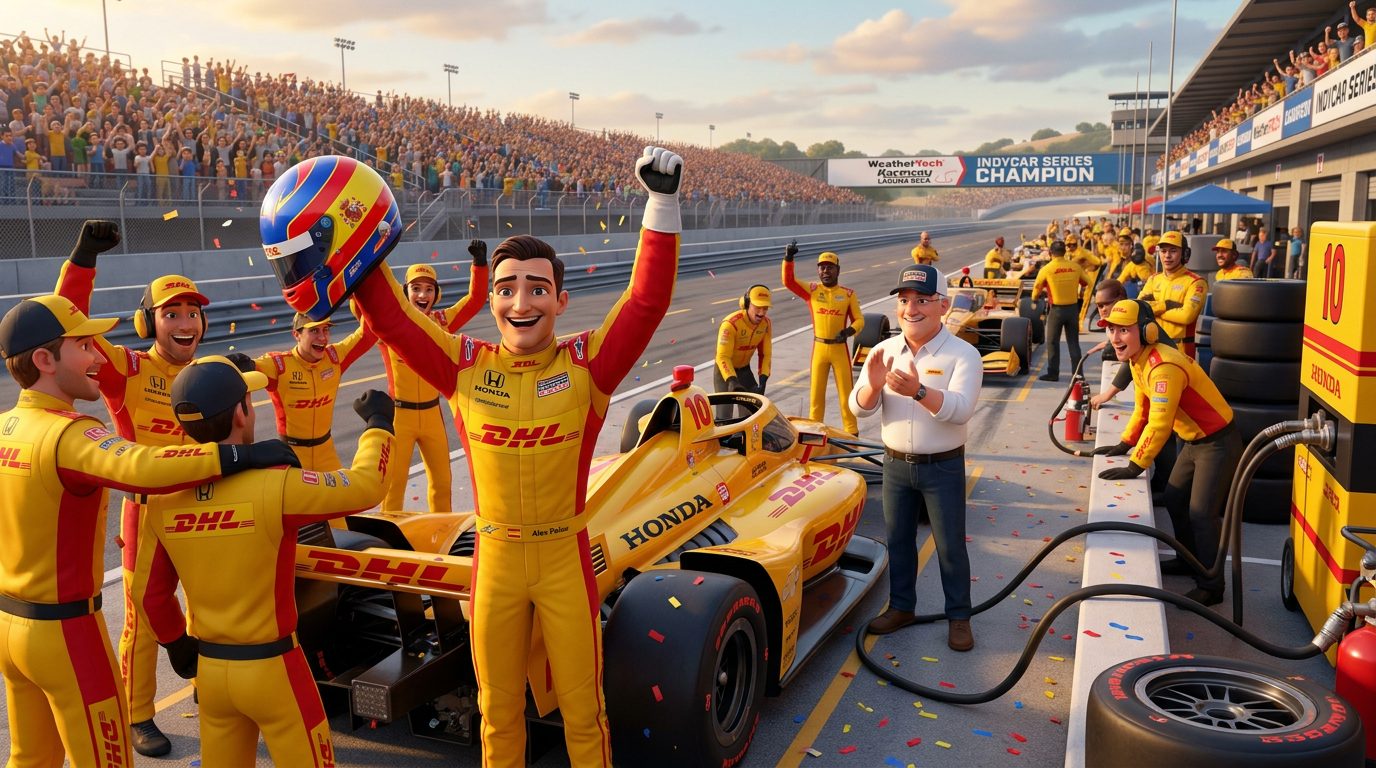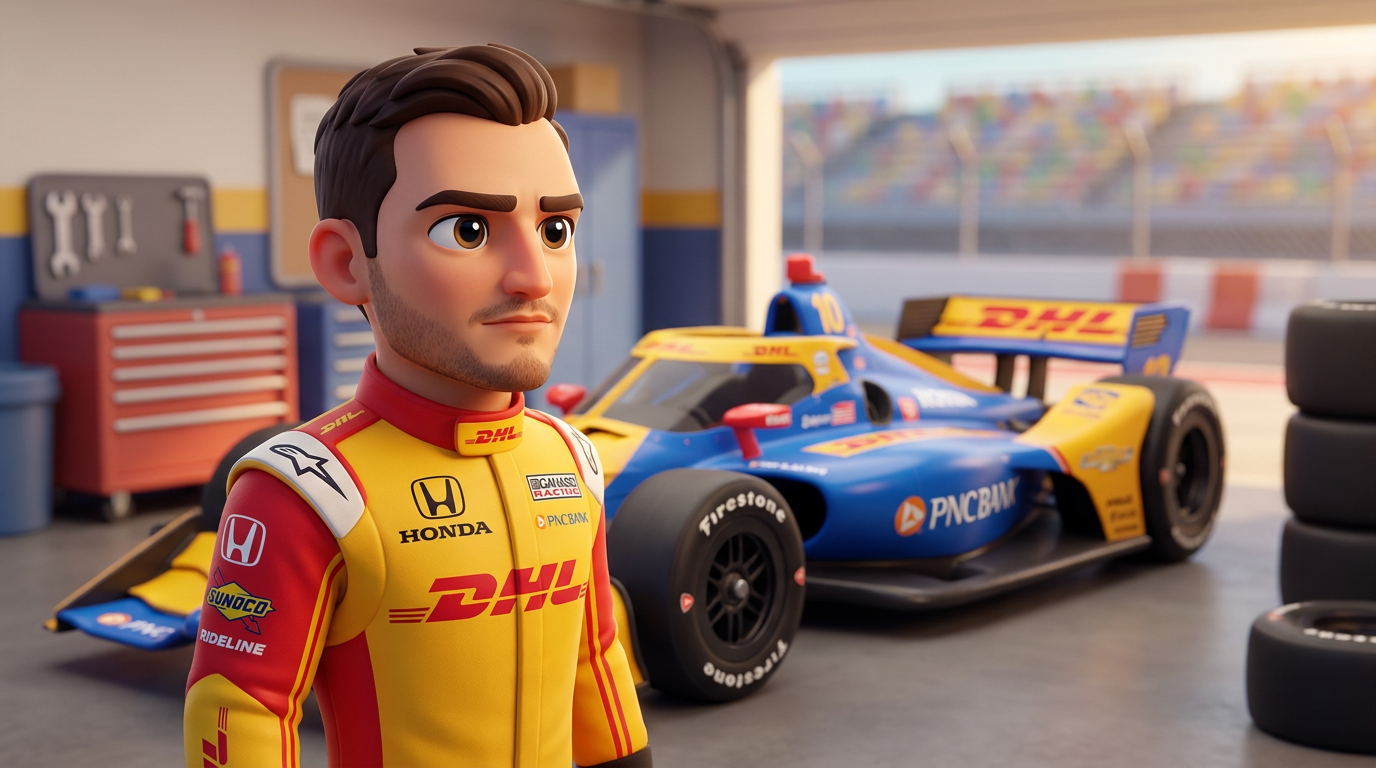
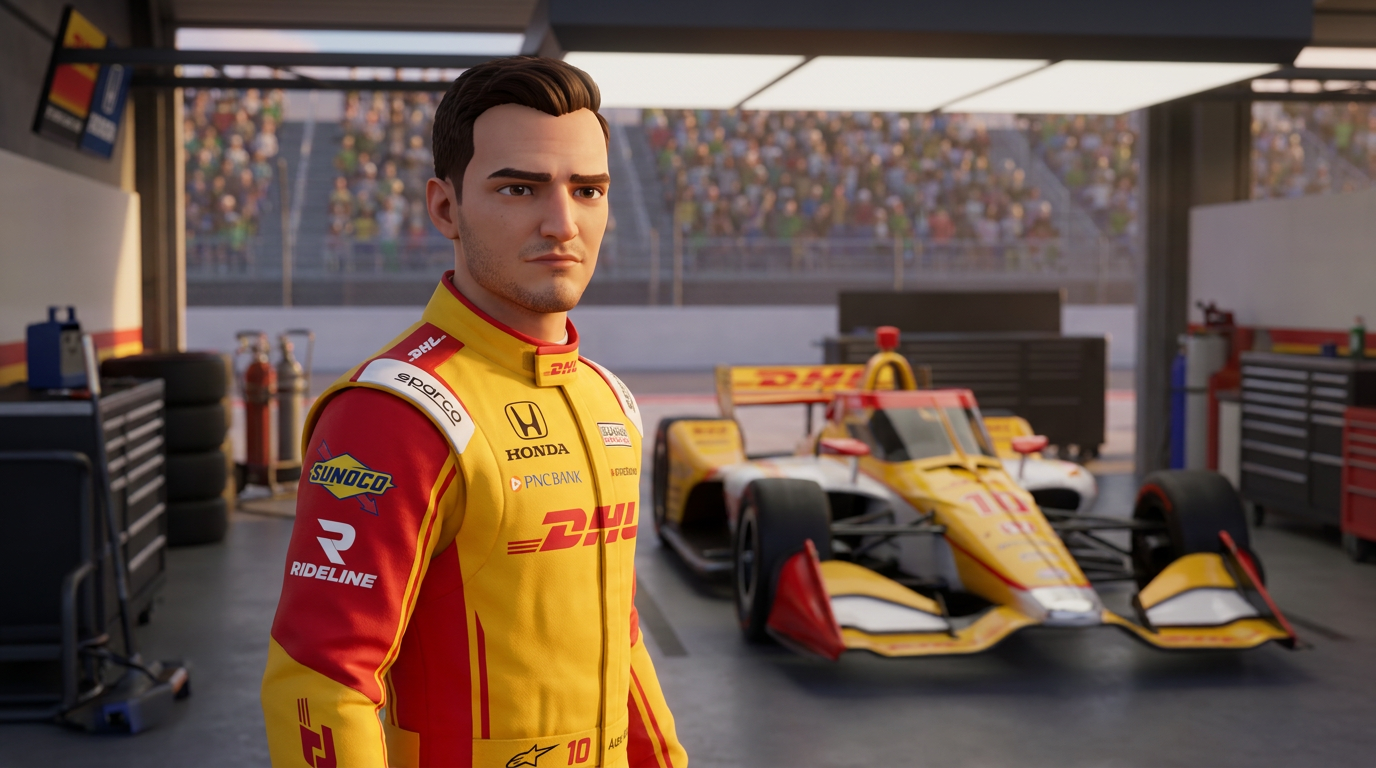
Alex Palou’s fifth IndyCar championship demands a harder strategic response than simply finding more speed.
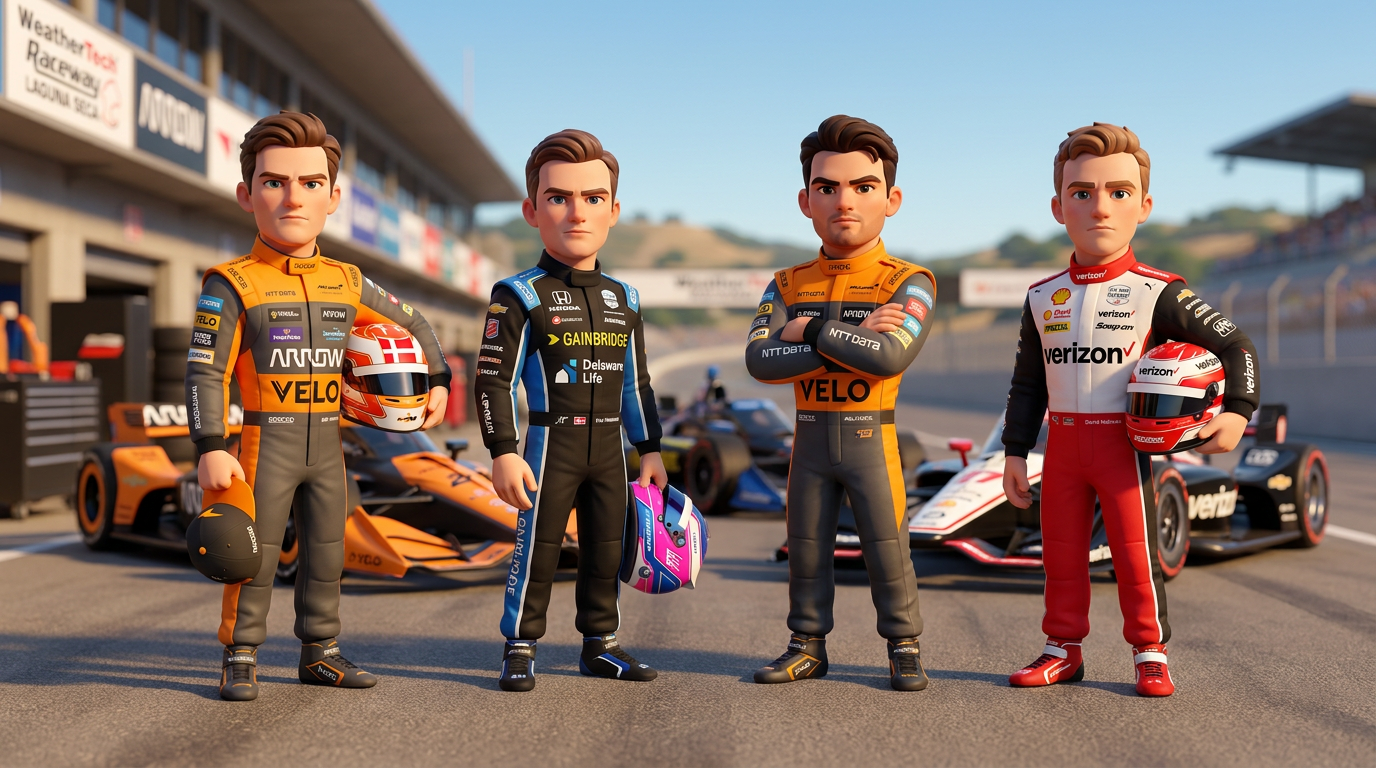
The official 2026 standings provide the clearest evidence. Palou scored 631 points, 86 more than Kyle Kirkwood, while Christian Lundgaard, Pato O’Ward and David Malukas completed the top five within 31 points of Kirkwood. That compact chasing group could not prevent one driver from escaping.
The gap was built across every decision
Palou won six of 18 races, twice Kirkwood’s total and three more than O’Ward. He also recorded 12 top-five finishes and 15 top-10s. Kirkwood matched his 15 top-10s and finished second, but two victories could not produce enough high-value scoring days.
That matters because strategy cannot be separated from the championship. Pit windows, tire choices and caution timing determine whether speed becomes a win, a top five or merely a respectable finish. Palou combined the highest win total with a remarkably secure floor.
IndyCar awards points for race results, pole positions and laps led, among other factors. Teams therefore need to judge each call by its potential championship return, not just the danger of losing the position already held.
Kirkwood must convert more often
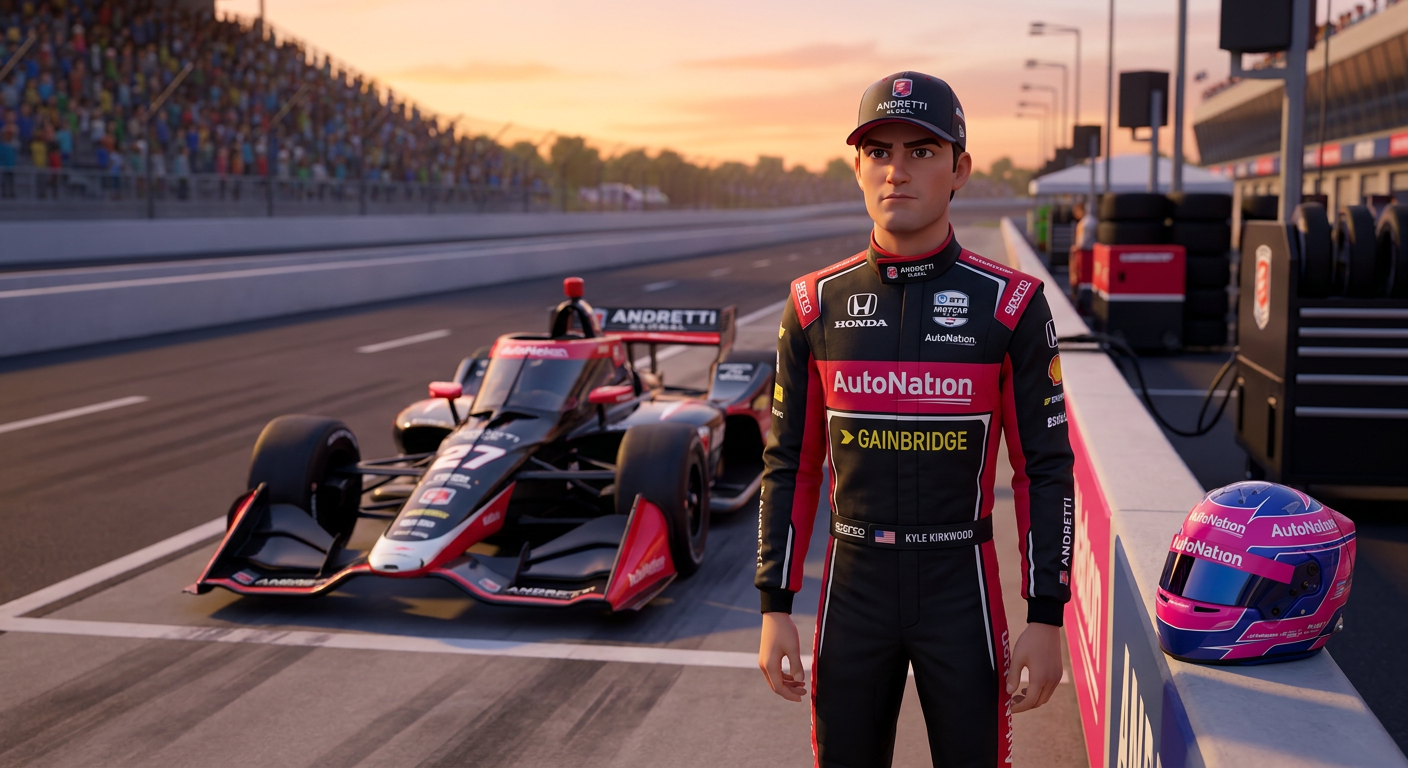
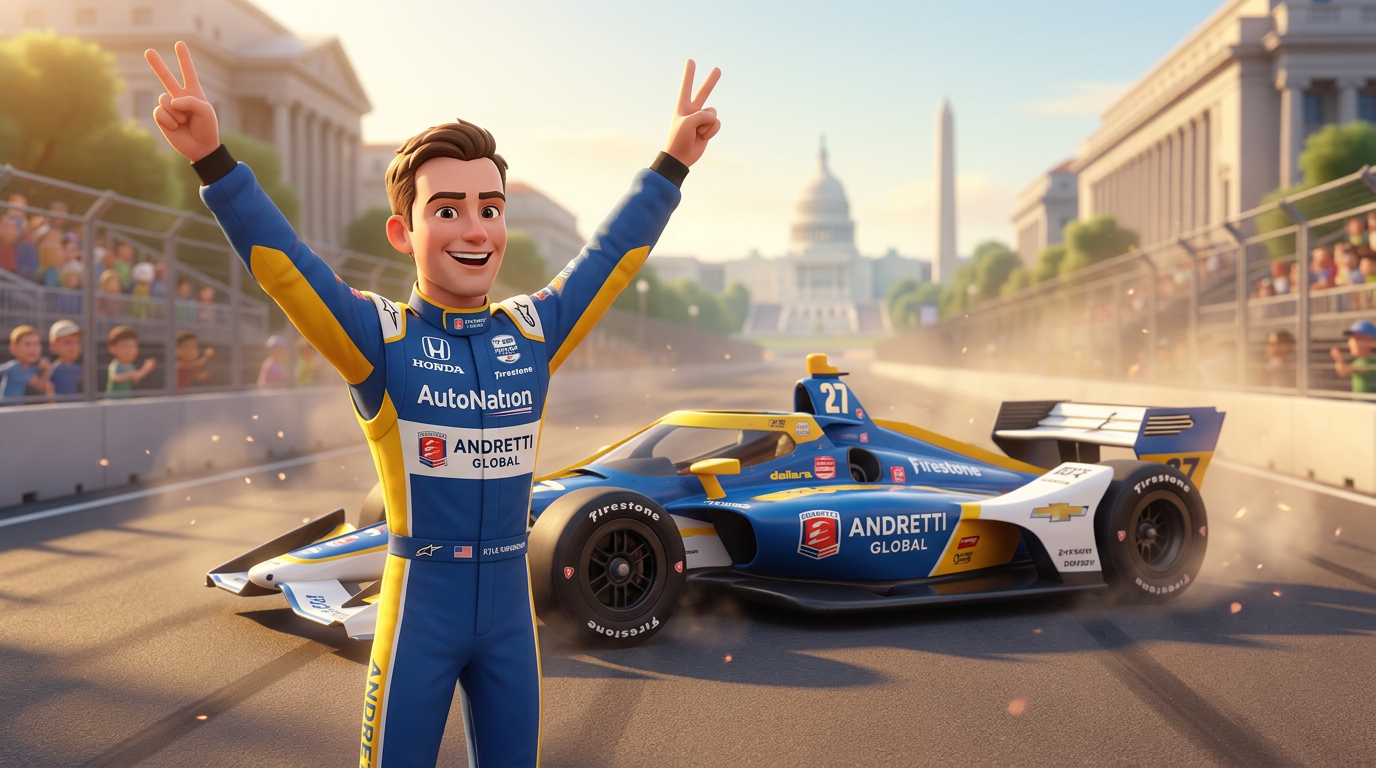
Kirkwood’s season was strong: 545 points, two victories, 10 top fives and 15 top-10s. Yet those numbers also frame the missed strategic opportunity. Matching Palou’s top-10 count did not matter when Palou won four more races.
Andretti’s 2027 task should be to identify races where track position or tire life permits an aggressive undercut, an extended first stint or an early commitment to an alternate fuel window. Not every gamble will work. The point is to create more paths to victories rather than protect finishes that leave Palou’s advantage intact.
That is not an argument for random calls. Calculated aggression requires clean pit execution, reliable fuel numbers and a willingness to make the decision before competitors dictate it.
Lundgaard’s move changes the equation
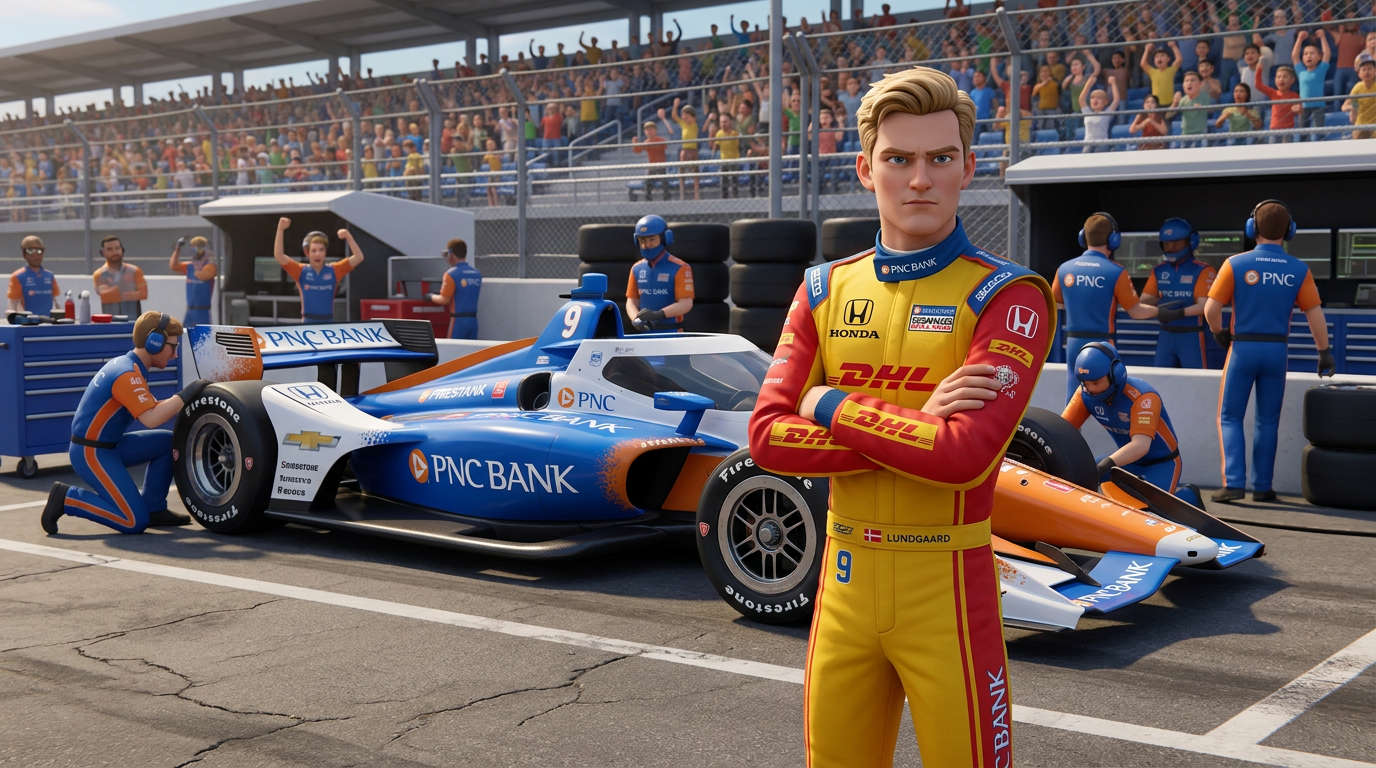
Lundgaard finished third with 535 points, 10 behind Kirkwood and 96 behind Palou. His record included two wins, eight top fives and 14 top-10s. He will join Chip Ganassi Racing in 2027 and replace Scott Dixon in the No. 9 Honda, according to INDYCAR.
Motorsport.com reported Dixon’s view that Lundgaard will face a difficult challenge against Palou. We agree, but the decisive issue will be how Ganassi manages two genuine championship threats.
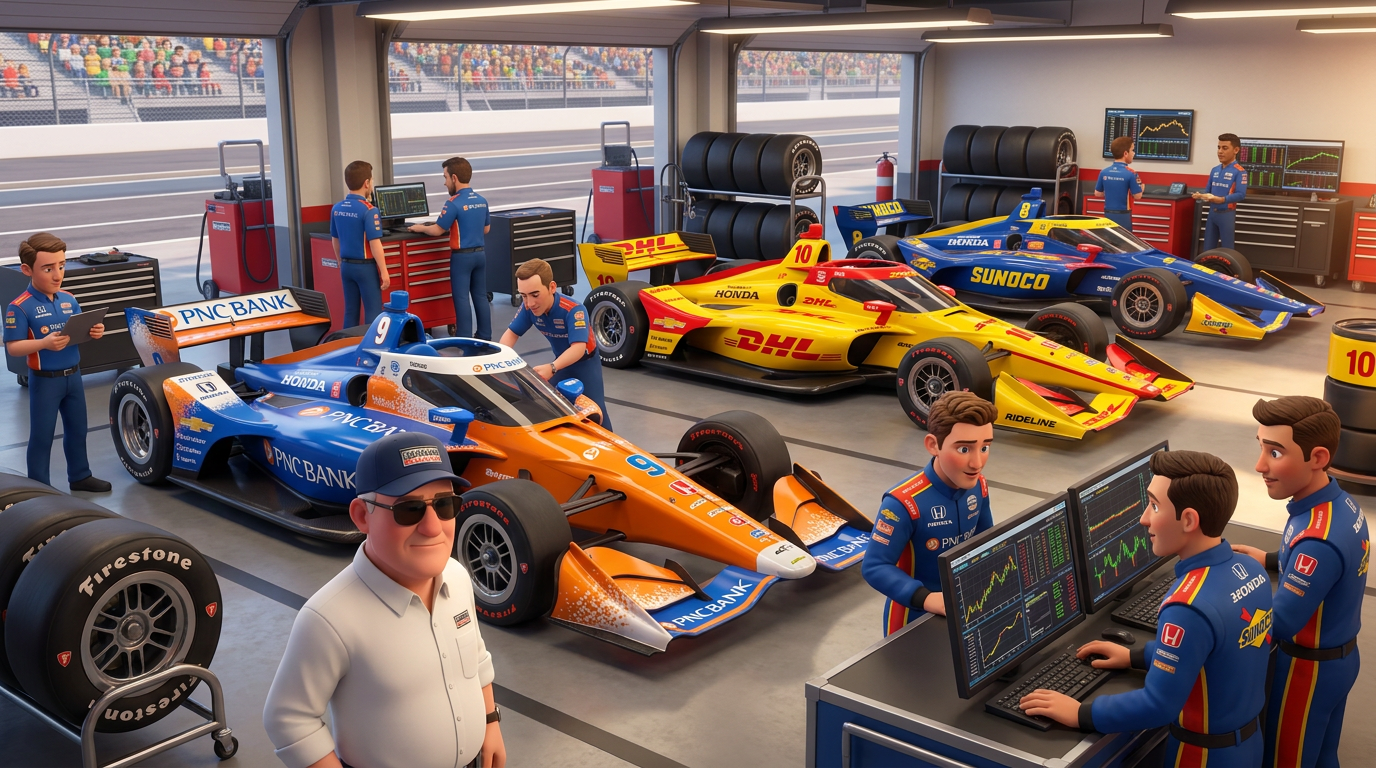
Team orders should remain a last resort until one driver’s title chances are materially stronger. Before then, splitting pit windows can be an advantage. Running identical strategies may reduce operational risk, but it can also leave both cars exposed to the same caution or tire-performance swing. Ganassi should let Palou and Lundgaard cover different scenarios when the race allows it.
O’Ward needs wins without volatility
O’Ward scored three wins, second only to Palou, but finished fourth on 522 points. His 10 top fives matched Kirkwood’s total, while his 11 top-10s were four fewer than either of the top two.
His strategic requirement is therefore different. O’Ward already demonstrated the ability to take major prizes. The priority is reducing the weekends when an ambitious call produces little return.
An undercut is worthwhile when fresh tires can overcome traffic and pit-loss time. An overcut requires pace on worn tires and a clear exit path. Choosing either because the leader chose the opposite is not aggression; it is reaction. Arrow McLaren must create winning alternatives while preserving a stronger points floor.
Malukas cannot settle for consistency
Malukas finished fifth with 514 points despite recording no wins. His nine top fives, 13 top-10s and 282 laps led show that he spent significant time in competitive positions. He led more laps than every driver except Palou, yet did not convert that track position into victory.
That is the strongest case for taking greater strategic risk. When a winless driver sits only eight points behind O’Ward and 31 behind the championship runner-up, safe accumulation has done its job. The next step is conversion.
On days when Malukas is leading or running with the fastest group, his team should prioritize controlling the pit sequence rather than mirroring nearby cars. An earlier stop can seize clean air; staying out can retain caution protection. The correct choice depends on the race, but the target must be the win.
What 2027 demands
Palou’s rivals do not need recklessness, and team orders cannot manufacture a title contender. They need strategic plans that recognize the cost of finishing safely behind him.
Kirkwood requires more conversion, Lundgaard needs freedom within Ganassi, O’Ward needs a higher floor and Malukas must turn laps led into victories. If those priorities are not established from the opening round, the points table can separate long before late-season desperation makes aggressive calls unavoidable.