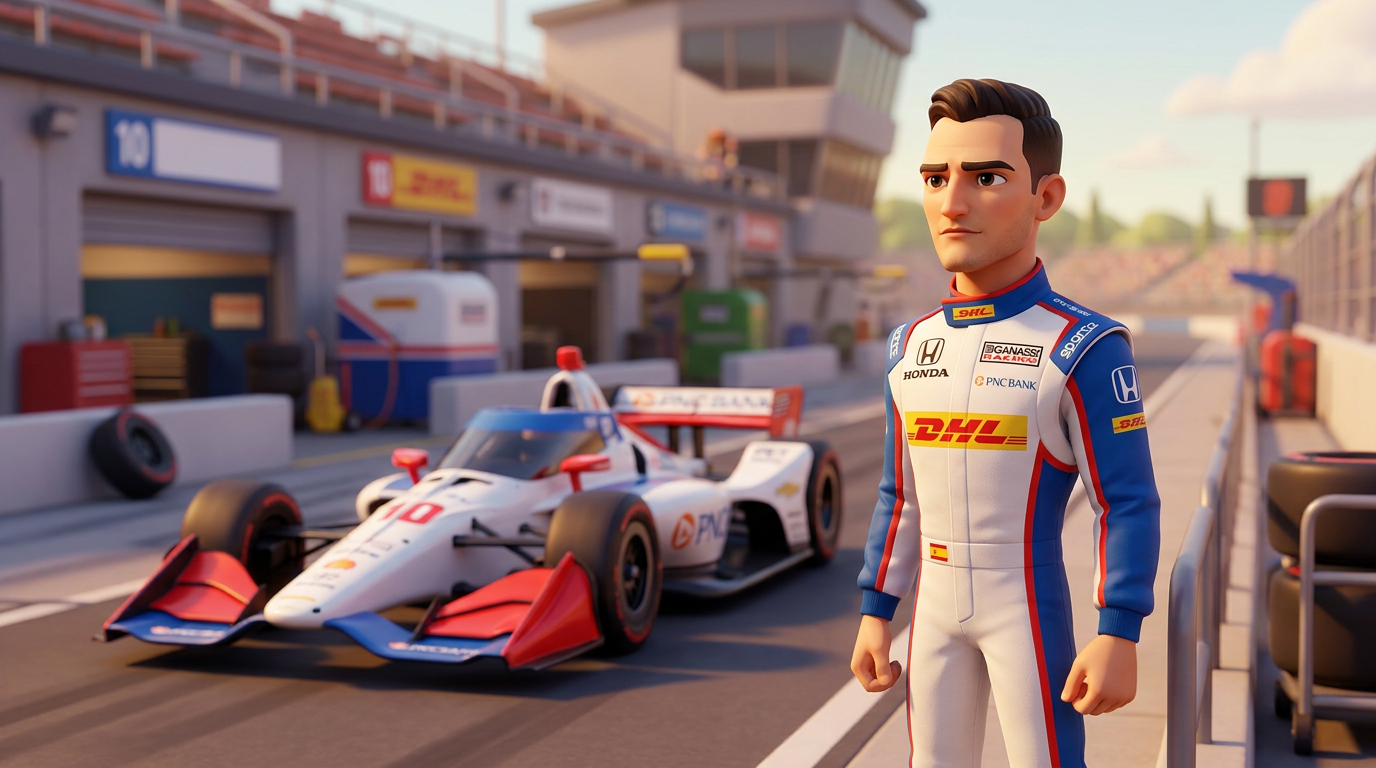
Portland’s traffic dispute revealed a flaw in IndyCar’s blue flag rules. A narrow change would protect lead battles without erasing legitimate backmarker fights.
Felix Rosenqvist and Will Power left Portland’s podium unhappy with IndyCar’s traffic rules, while winner Alex Palou and Chip Ganassi Racing strategist Barry Wanser defended them. The complaints point to a genuine flaw. IndyCar should give blue flags real authority once a lapped car is no longer battling to remain on the lead lap.
Portland exposed the problem
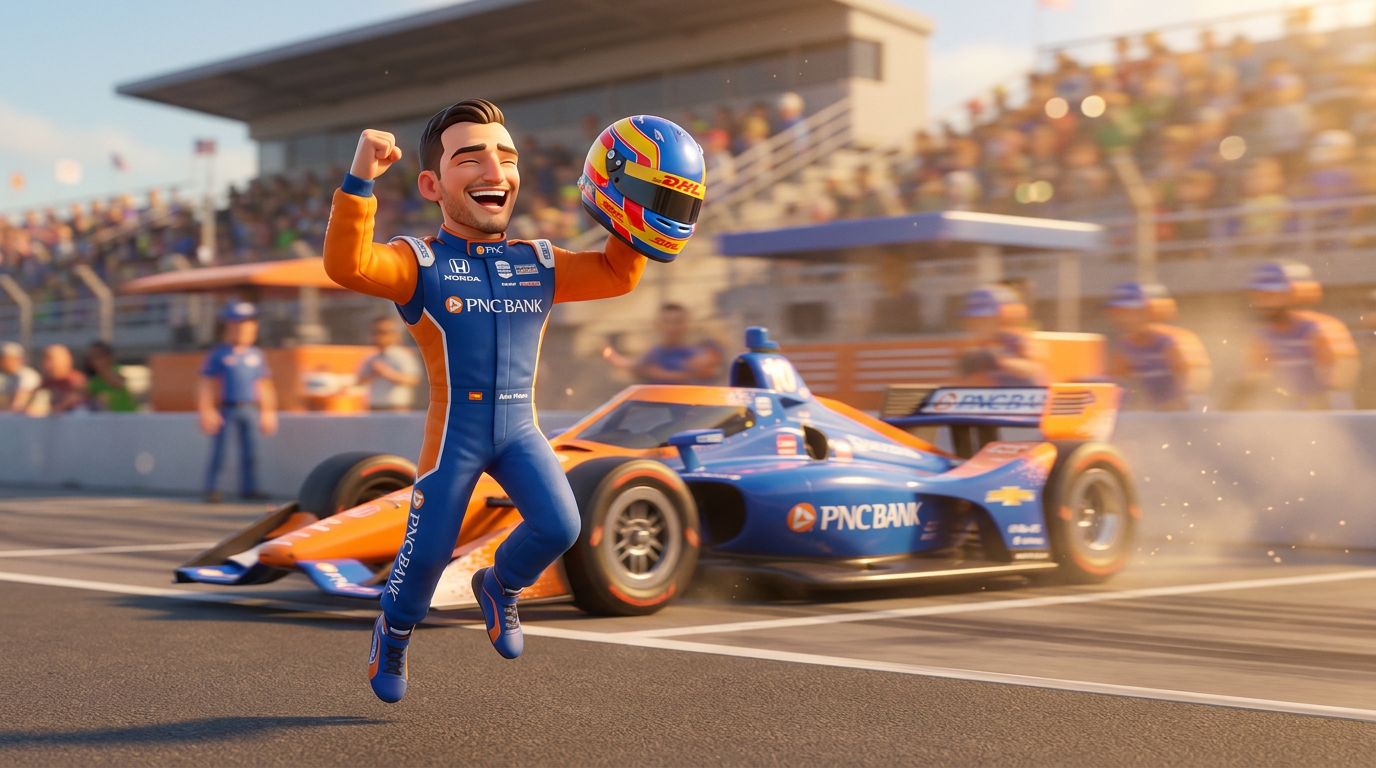
Palou won on August 9, collecting his sixth victory in 13 races and stretching his championship lead to 110 points. Rosenqvist and Power still drew attention to traffic’s effect on the fight between the leaders.
That matters because a backmarker can change gaps through pace and track position without being involved in the same battle. Leaders shouldn’t be guaranteed an empty track. But a lapped car shouldn’t operate as an unofficial defensive tool.
Palou’s defense has merit
Palou’s position makes sense. Everyone competes under the same rules, while slower cars must protect their own positions, tire life and strategy. Managing traffic is also a genuine IndyCar skill.
We wouldn’t adopt Formula 1’s system wholesale.
IndyCar’s machinery is closely matched, and a driver near the back can still recover with a caution or an alternate strategy. Forcing every lapped car aside immediately would penalize legitimate competition and give race officials too much control.
A narrow change is better
Our preferred rule would take effect after a car has been passed by the leader and lost meaningful contact with the lead lap. If that driver then delays a lead-lap car for several corners, race control should show a mandatory blue flag and impose a short compliance window.
The threshold needs to be objective. IndyCar could establish a specific time gap to the final lead-lap car, then require the lapped driver to help facilitate a pass within one lap of being notified. The first step should be a warning, with a time penalty following any refusal.
Racing stays intact, and subjective calls are limited.
The championship magnifies every delay
Palou has 510 points, with Kyle Kirkwood on 400 and David Malukas on 392. He has also led 558 laps, well clear of Kirkwood’s 92, so traffic didn’t create his advantage.
The case is for cleaner title races.
Five rounds remain, and an avoidable delay can shift pit windows or wipe out a hard-earned gap. IndyCar’s rules should make sure those consequences are caused by direct competitors, strategic decisions or driver mistakes.
Markham offers the next test
The series heads to the new Streets of Markham circuit on August 16 before visiting Washington, D. C. on August 23. Back-to-back street races will again test traffic management, beginning with Sunday’s noon ET race in Ontario.