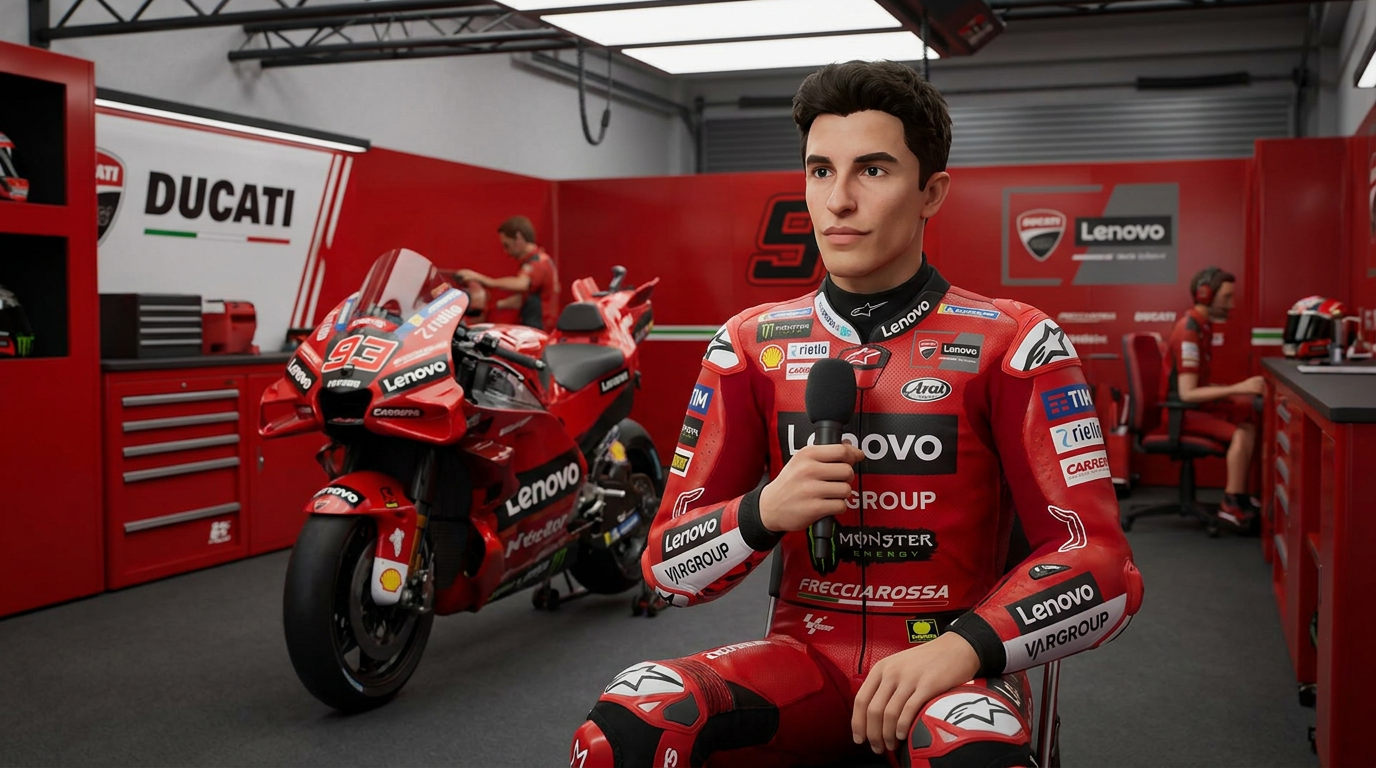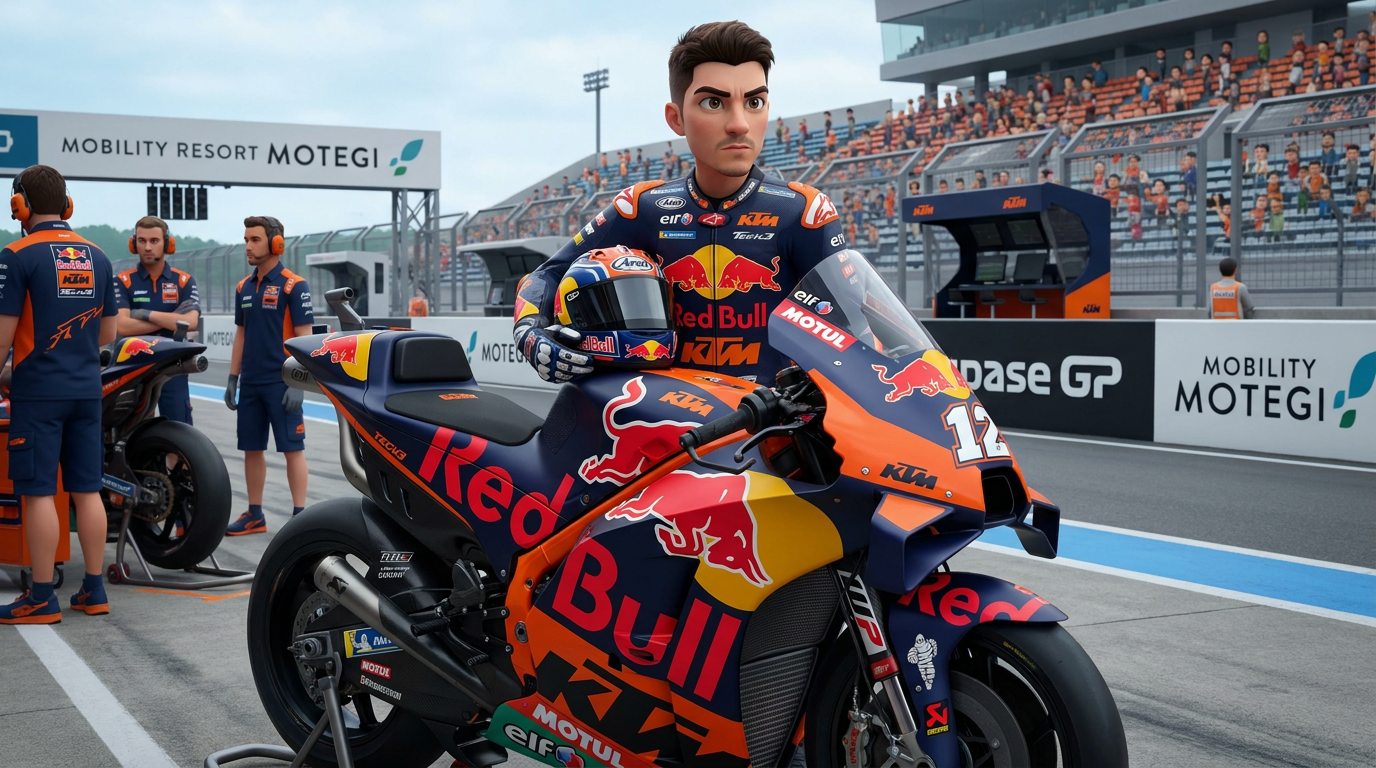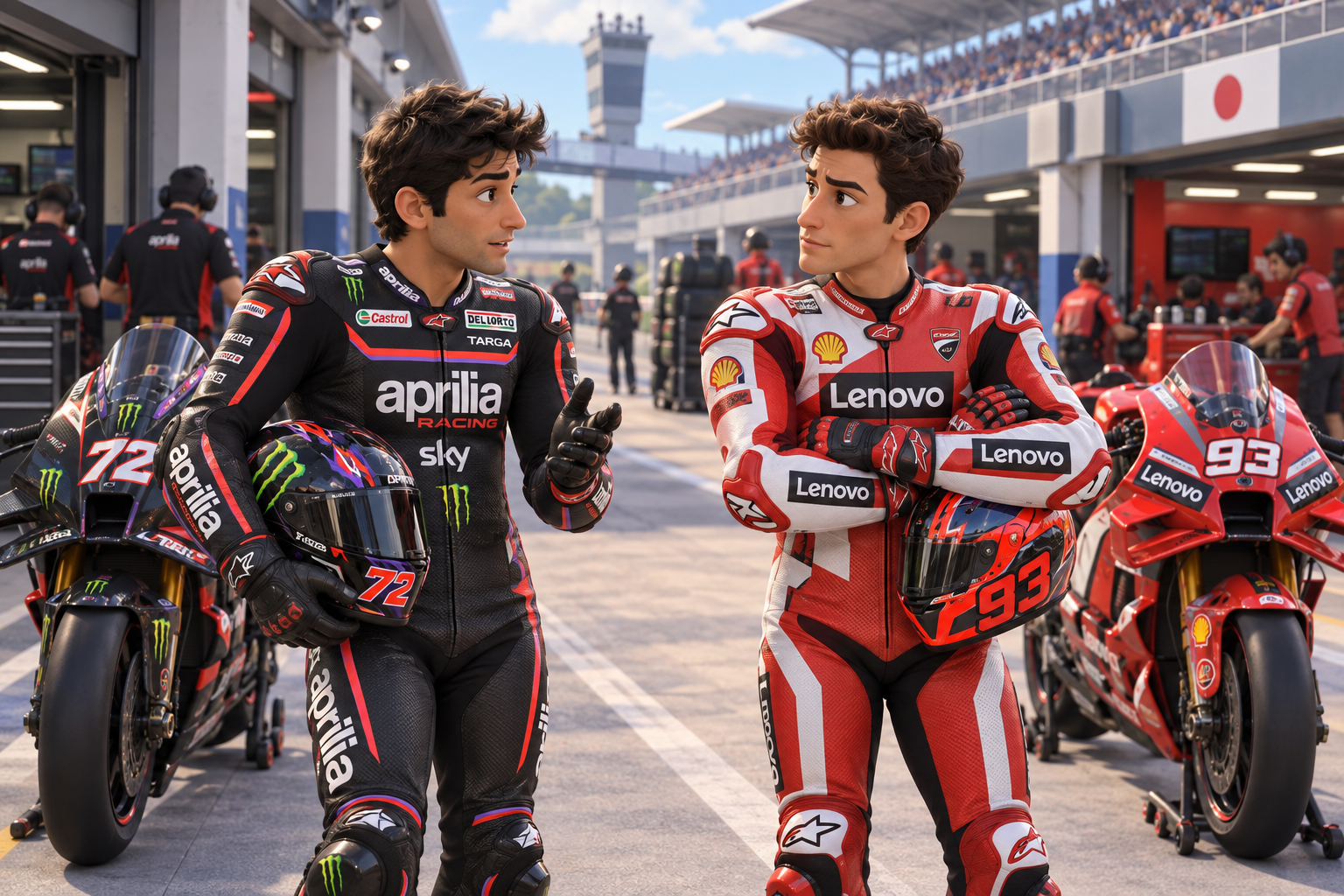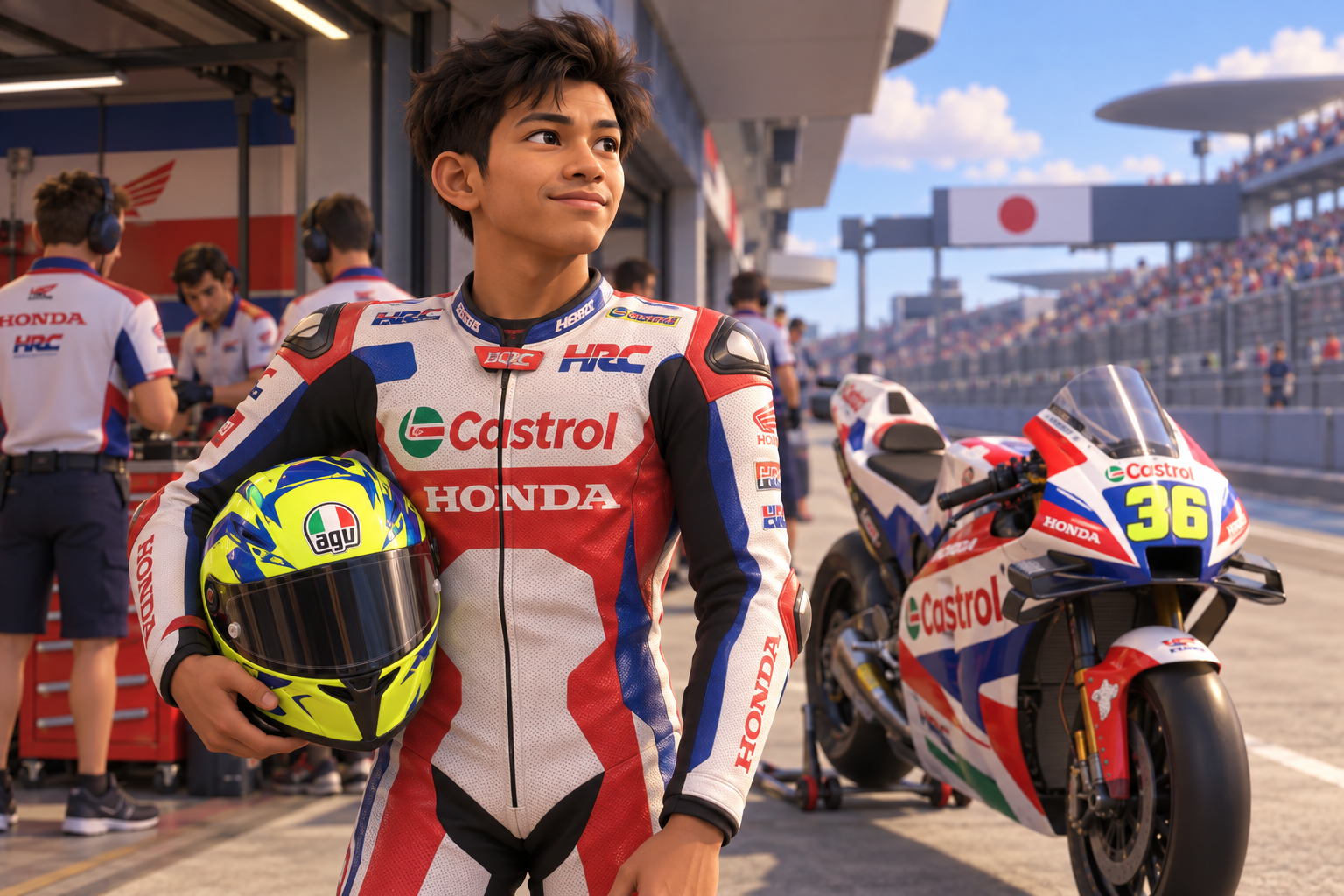
Motegi’s key engineering question is not simply why Michelin’s soft rear blistered, but why some manufacturers and riders suffered damage while others completed the Sprint without the same problem.
Our verdict is that the tire was pushed beyond an acceptable operating window, while the uneven failures also point to a setup-dependent problem. Michelin was right to withdraw it for Sunday, but teams cannot treat the compound as the sole culprit.
Loads increased on three fronts
Michelin’s head of two-wheel motorsport, Piero Taramasso, attributed the exceptional tire loads to Motegi’s new asphalt, its demanding layout and a track temperature of 40°C, according to MotoMatters. The Sprint was also completed nine seconds faster than its 2025 counterpart.
Together, those factors created a compounded stress cycle. The additional grip from fresh asphalt can allow greater acceleration and corner-exit load. Higher temperatures increase thermal stress. A quicker race means the field transferred more energy through the tire over the same competition distance. MotoMatters reported that this combination caused blistering for some riders.
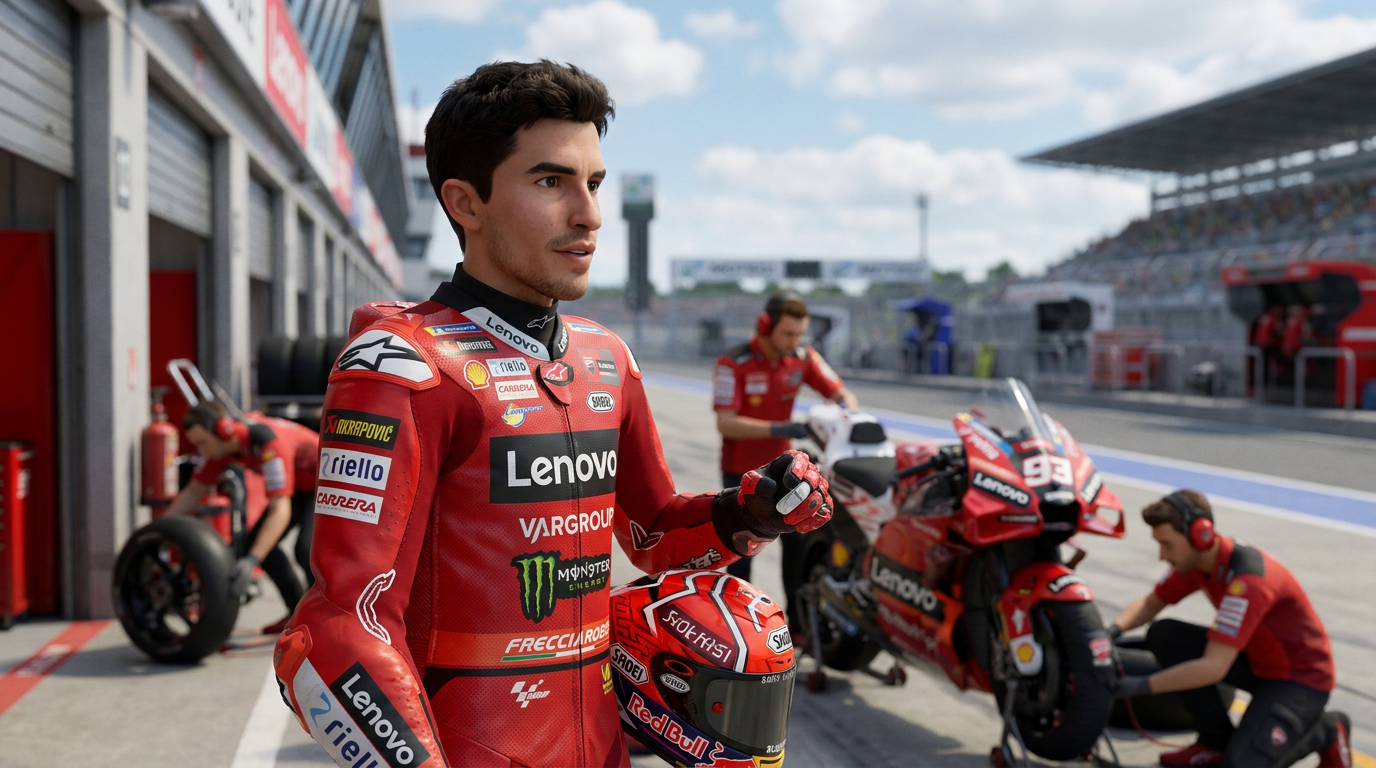
This was not ordinary wear that teams could address simply by asking riders to conserve more. Severe degradation forced Francesco Bagnaia to pit on the final lap. Once a tire’s structure or tread condition deteriorates that far, preserving the sporting contest becomes secondary to eliminating an avoidable risk.
The failure pattern points to setup
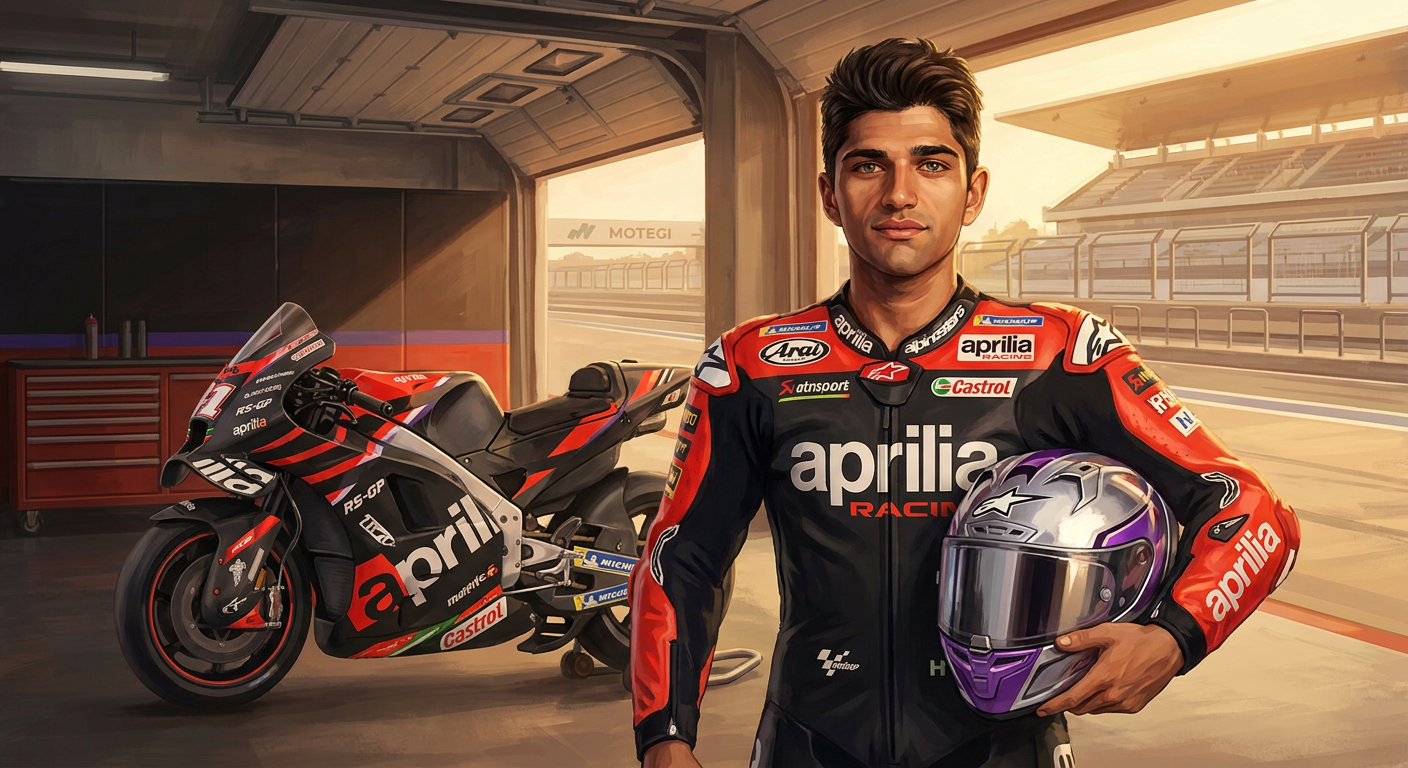
The affected riders provide the most revealing evidence. MotoMatters reported soft-rear blistering on Bagnaia’s Ducati, two Aprilias including Jorge Martin’s, and Jack Miller’s Yamaha. Marc Marquez, the KTM riders and most Honda riders did not suffer the same issue.
That spread does not support a simplistic verdict about one manufacturer. One Ducati blistered while another did not. Aprilia had trouble, but KTM and most Hondas avoided it. The evidence instead supports a common tire being overloaded through different bike characteristics, setups and riding demands, rather than one universally defective motorcycle concept.
Rear suspension behavior, electronics delivery, pressure evolution and how each bike loads the contact patch are all relevant engineering categories. The supplied evidence does not identify which adjustment caused any individual failure, so blaming a particular setting would be speculation. The pattern does show that teams put the same compound into different thermal and mechanical windows.
Marquez’s medium run carries more weight
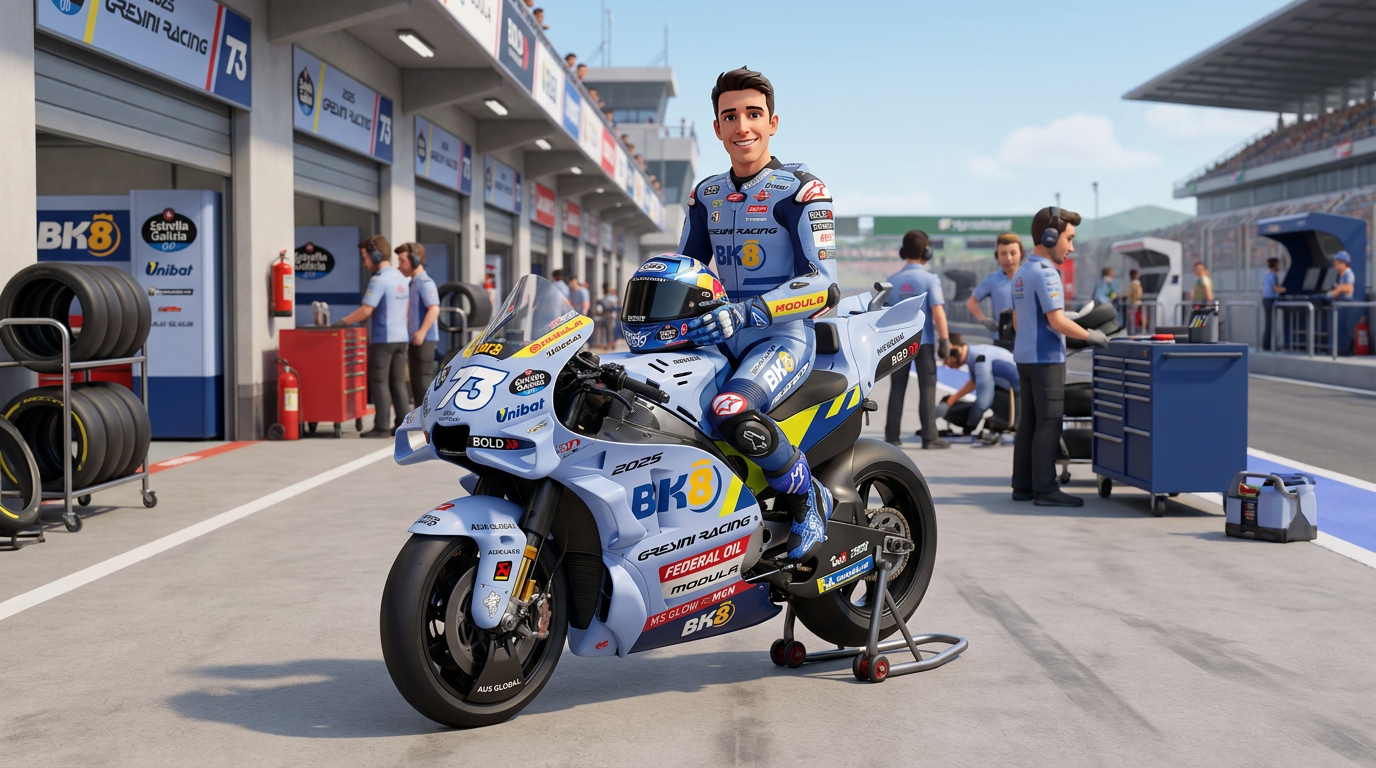
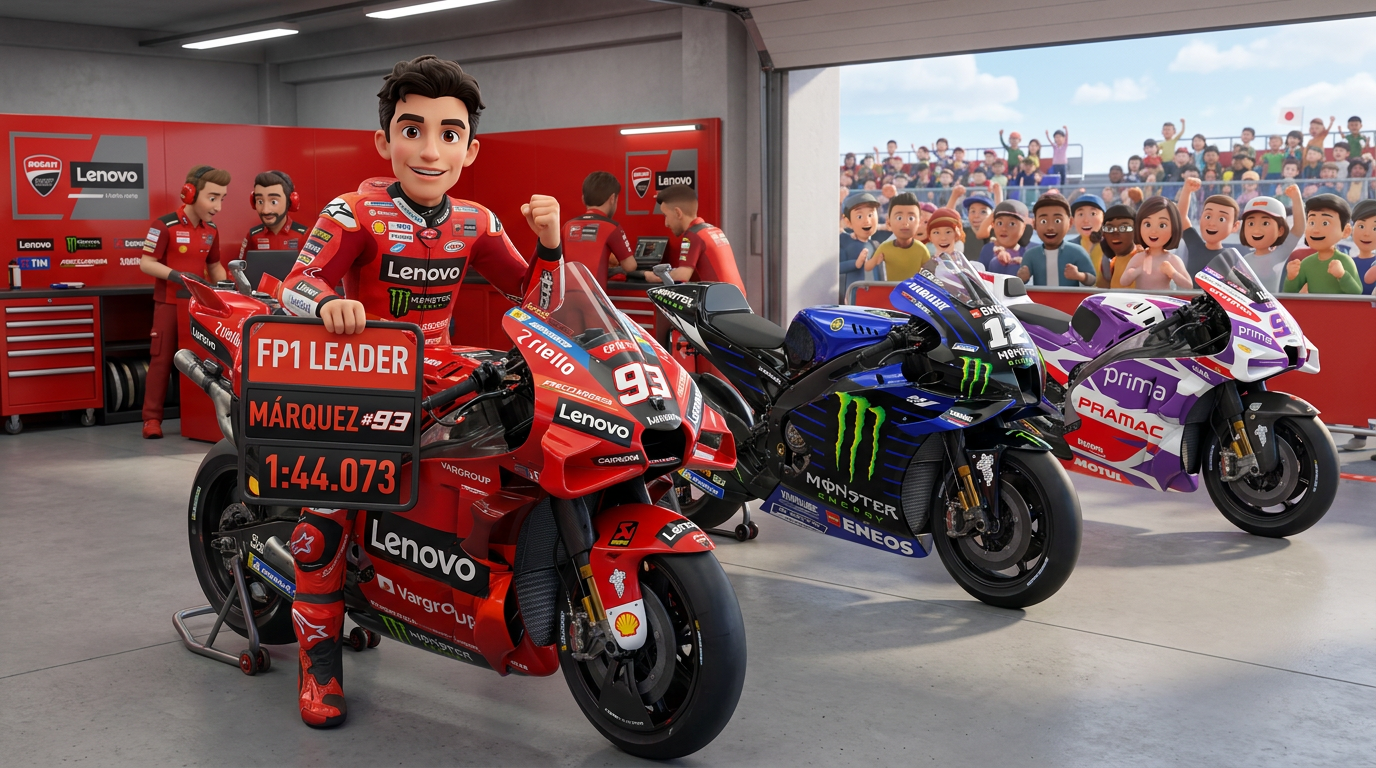
Friday’s strongest long-run evidence came from Marc Marquez. MotoMatters reported that he produced laps in the 1m43.8s range after 12 laps on a used medium rear. Alex Marquez went one tenth faster in timed Practice, but his used-tire pace was in the mid-1m44s, similar to Enea Bastianini, Martin, Fabio Di Giannantonio and Marco Bezzecchi.
That difference separates qualifying speed from sustainable pace. Alex Marquez’s one-tenth Practice advantage demonstrated his peak performance, while Marc Marquez’s used-medium sequence suggested a stronger blend of pace and tire control. With the soft withdrawn, that medium-tire evidence becomes more important than the headline lap order.
It also shows why Ducati cannot reach a single conclusion from Bagnaia’s blistering. Marquez demonstrated that another Ducati setup could sustain quick laps on a used tire. Bagnaia’s failure requires a bike-specific investigation into how his package generated and retained rear-tire energy.
Hard-tire uncertainty reshapes Sunday
Motorsport.com reported Jack Miller saying he could “almost guarantee” the untested hard tire would be mandatory. Whether teams choose it or are required to use it, the lack of representative running creates a difficult setup trade-off.
A harder rear may provide a wider durability margin, but teams still need to generate temperature and grip. Pursuing that warm-up through geometry, suspension or electronics can produce different stresses. Conservative torque delivery may protect the tire while reducing drive, while stronger acceleration may improve lap time but increase heat.
The research notes do not provide sector or speed-trap figures, fuel-consumption data, brake temperatures or precise degradation curves. There is therefore no basis for a defensible claim that one motorcycle had a straight-line, braking or fuel-management advantage. Motegi’s heavy-braking character may influence setup priorities, but tire life and used-rear pace provide the verified performance comparison.
Michelin made the necessary call
Withdrawing a compound after competition is disruptive, but continuing after multiple cases of severe degradation would have been harder to justify. Michelin acted on observed damage under measured 40°C conditions, rather than a hypothetical concern.
Sunday’s technical contest will test how well teams adapt. Marquez’s used-medium performance provides the clearest established baseline, while the affected Ducati, Aprilia and Yamaha crews must reduce rear loading without giving up acceleration. If conditions remain demanding, the winner may not be the rider with the fastest single lap, but the package that keeps its remaining rear tire within a narrower window for the longest time.