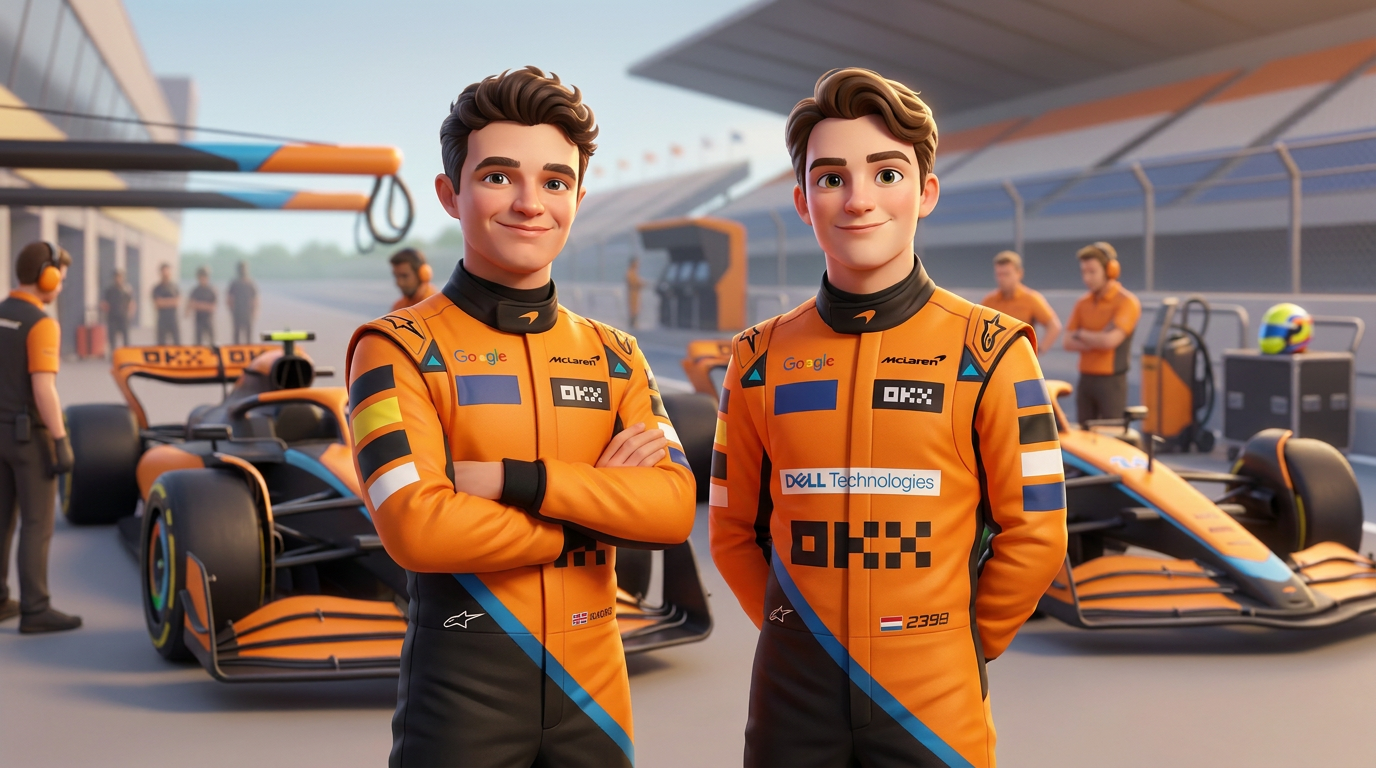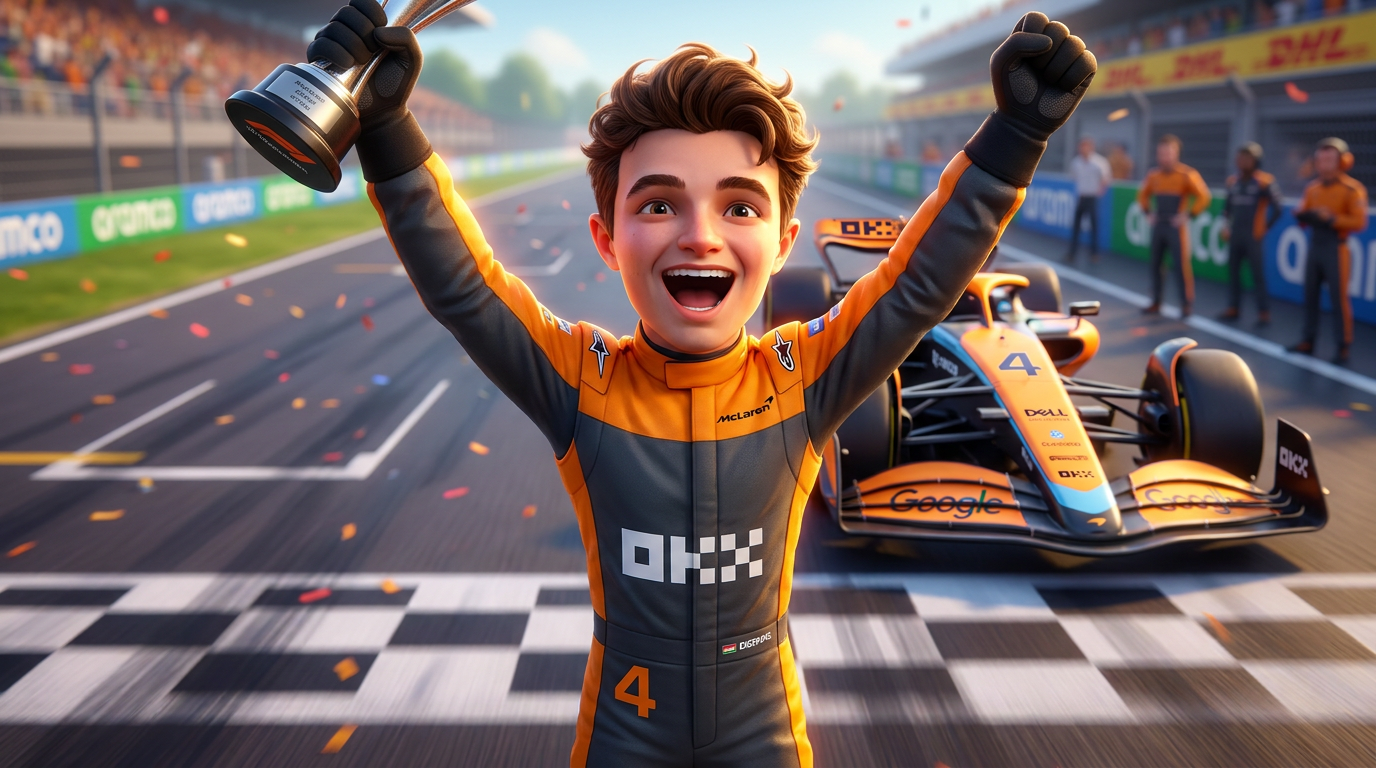
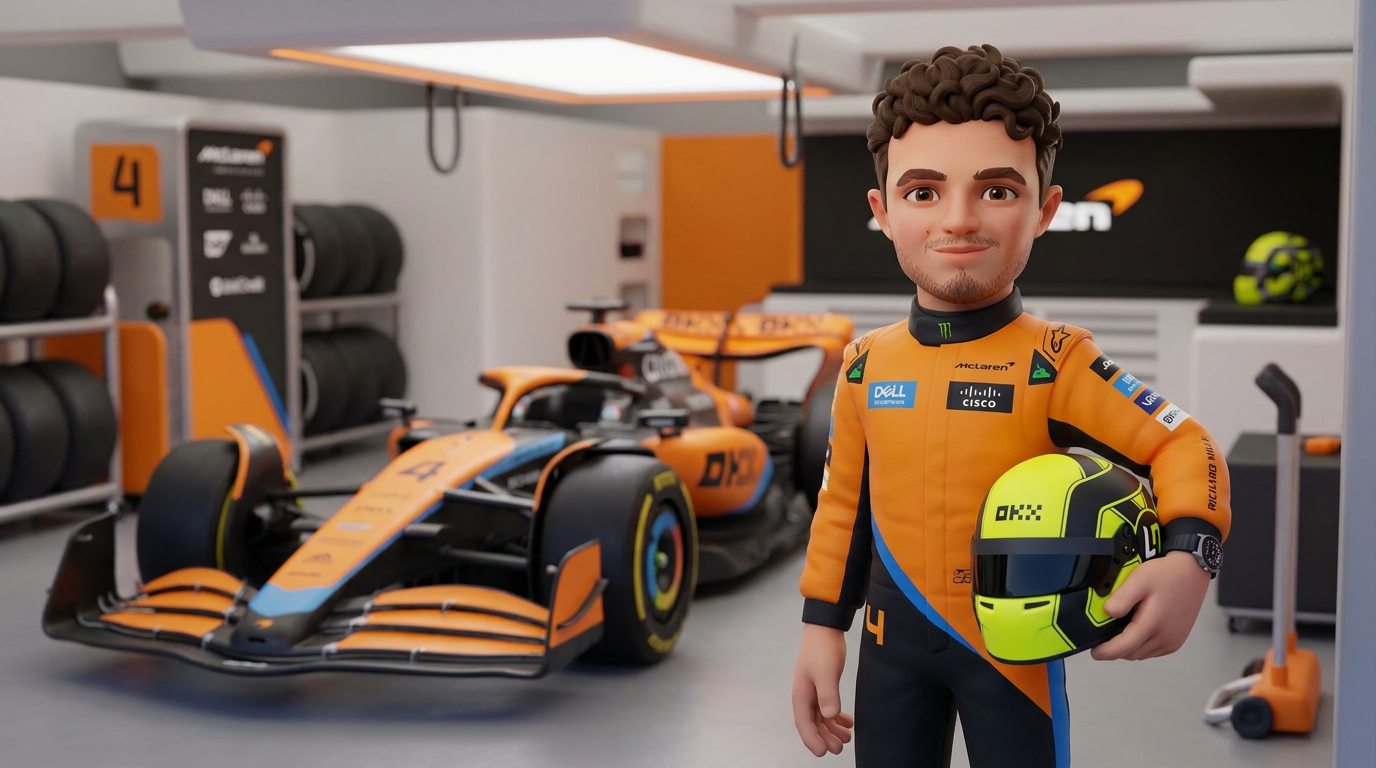
Lando Norris has finally won in 2026, and McLaren must build on its rising form rather than sacrifice a live Formula 1 campaign.
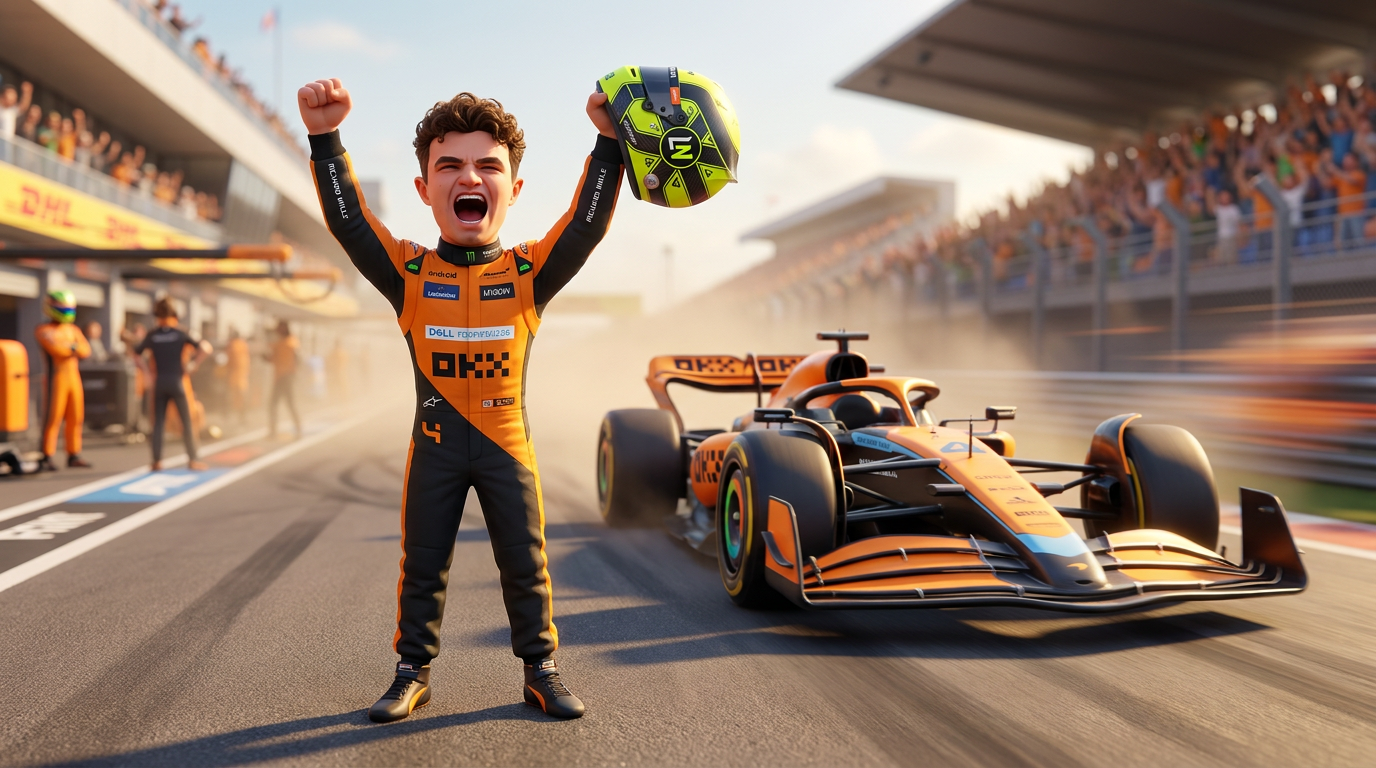
McLaren paid a heavy price for starting 2026 behind its leading Formula 1 rivals, but Lando Norris' Hungarian Grand Prix victory changes the equation. Abandoning this car early would squander the momentum behind a pole position and a 15.08-second win over Max Verstappen.
Hungary changed McLaren's outlook
Norris won the July 26 race in 1:39:56.180, giving McLaren its first victory of the season in round 11. Norris and Oscar Piastri had already shared five podium finishes, including second place in Miami.
This was no isolated flash.
McLaren brought an upgraded car to Hungary and led final practice before Norris took pole. Its strategy faced criticism following Piastri's radio complaints, yet the team turned its stronger pace into the result that had escaped it across the opening 10 rounds.
Development has already delivered
McLaren has confirmed it won't shift its full attention to 2027 soon. That's the right decision.
Walking away early would turn the team's slow start into a season-long penalty just as its technical direction is producing victories. The results before Budapest support that approach. Norris finished second to Kimi Antonelli in Miami, then took third at Barcelona-Catalunya, while Piastri placed second in Japan and third in Miami. McLaren had a competitive foundation, but lacked the consistent performance required to control an entire weekend.
Hungary gave McLaren that control.
The title arithmetic isn't everything
Antonelli has won six of 11 races for Mercedes. George Russell added victories in Australia and Austria. McLaren can't erase that advantage through ambition alone, and Norris isn't pretending the recovery will be easy.
Championship probability shouldn't determine every upgrade decision. Further development gives Norris and Piastri opportunities to win now, while helping McLaren identify which concepts retain value. Stopping would concede those chances before the second half begins.
McLaren must manage both drivers
Keeping the campaign orderly is the tougher assignment. Piastri's frustration in Hungary showed the risk, because strategy must secure the best available result without leaving one driver feeling secondary after the other's breakthrough.
Both drivers have stood on the podium in 2026.
Each needs a clear explanation whenever strategy separates them. McLaren must also allocate development parts transparently, especially if production limits leave only one upgraded package ready.
Zandvoort offers the next test
The Dutch Grand Prix is scheduled for August 21 to 23, with Monza following on September 4 to 6. Those contrasting circuits will show whether Hungary represented a genuine improvement across different corner types and straight-line demands.
McLaren has decided to keep pushing. Its next task at Zandvoort is to prove the upgraded car can fight Mercedes and Ferrari beyond one successful weekend.