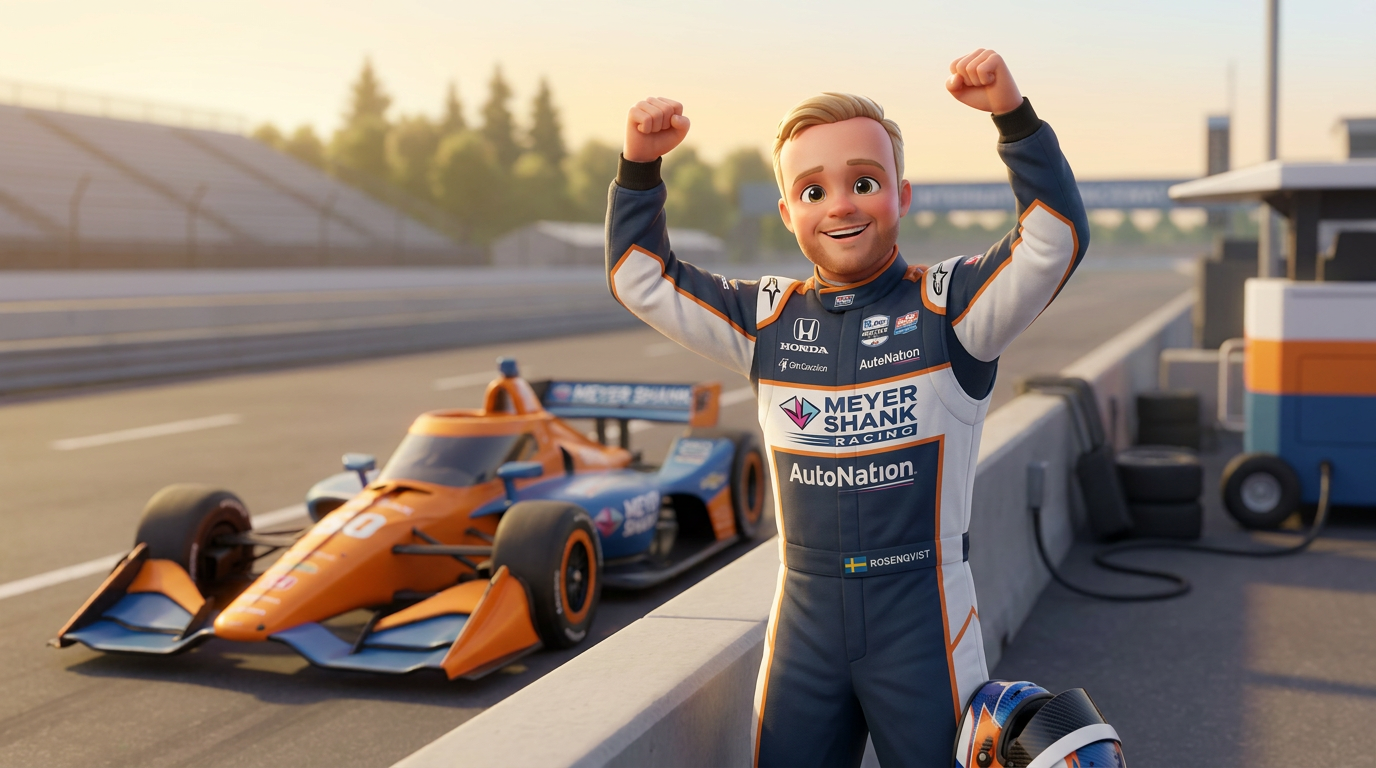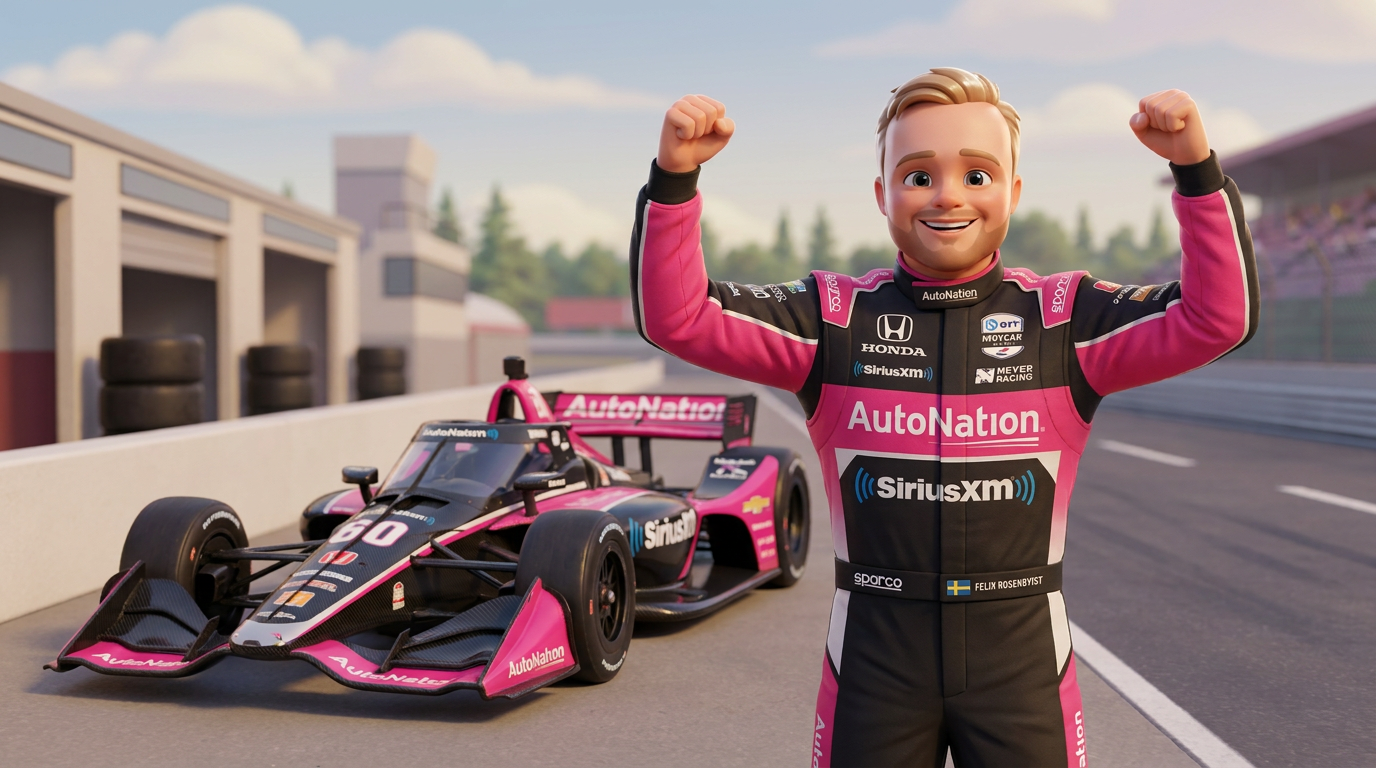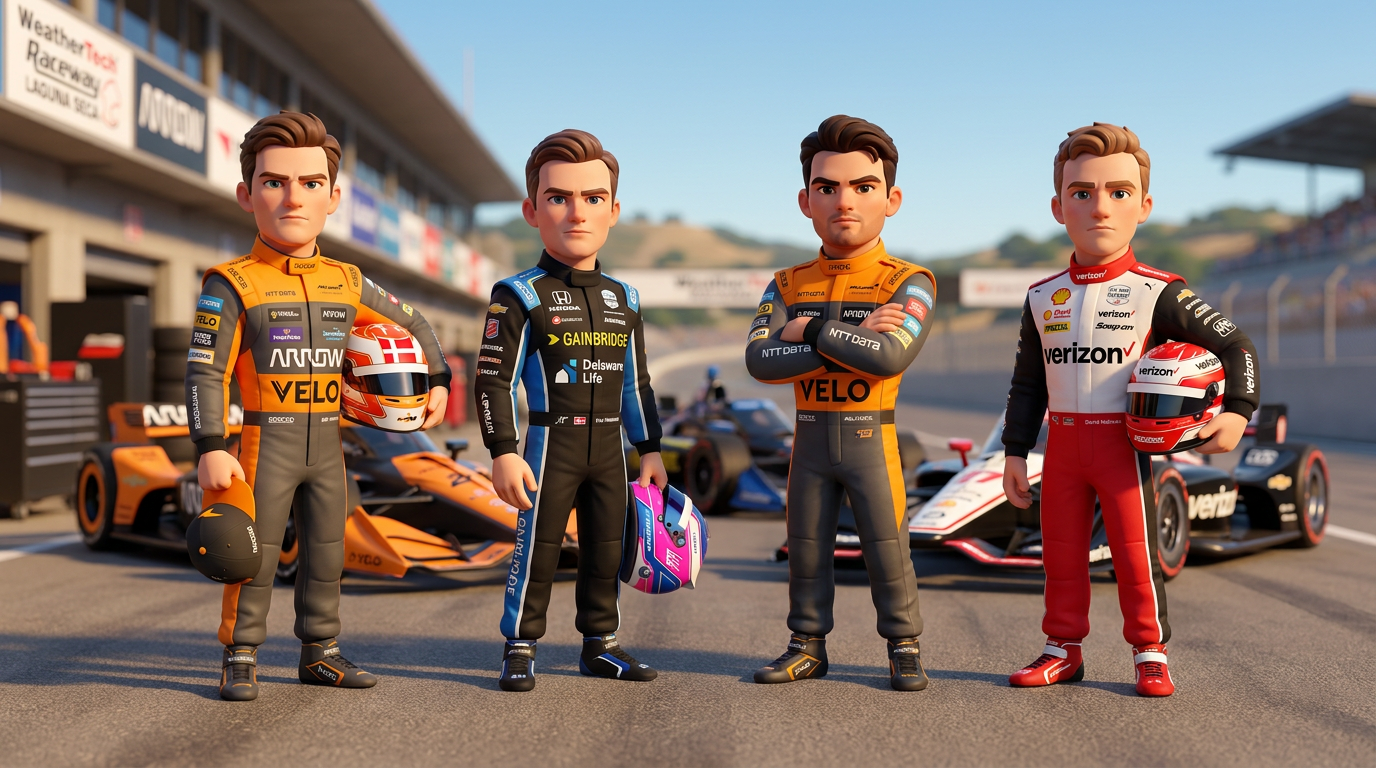
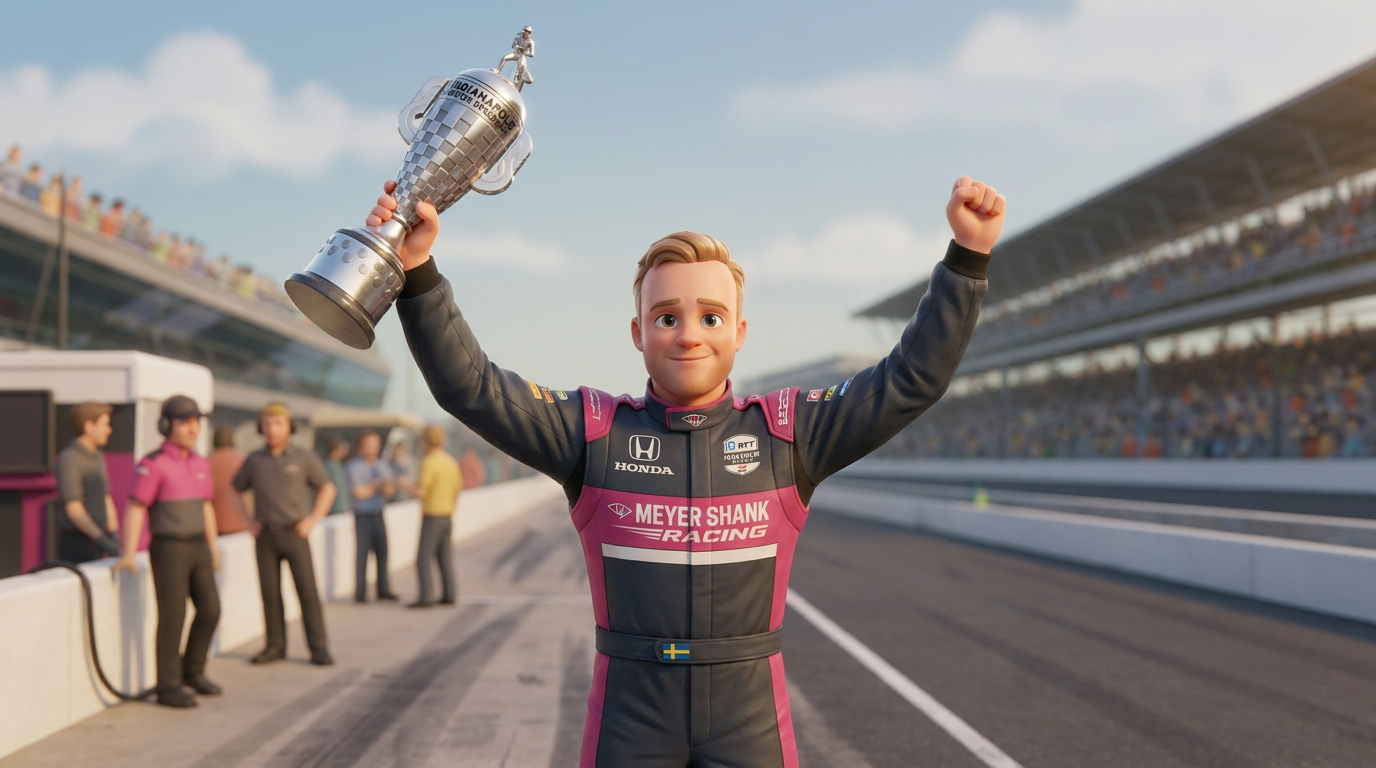
Felix Rosenqvist passed David Malukas exiting Turn 4 to win the 110th Indianapolis 500 by a record 0.0233 seconds.
Rosenqvist strikes on the final lap
Felix Rosenqvist won the 2026 Indianapolis 500 with a final-lap charge, securing the closest finish in the event’s century-plus history. The Meyer Shank Racing driver defeated Team Penske’s David Malukas by just 0.0233 seconds after 200 laps and 500 miles at Indianapolis Motor Speedway.
It came down to a one-lap shootout. Marcus Armstrong led the restart, but Malukas swept ahead entering Turn 1. Rosenqvist started the lap in third and first had to fight Meyer Shank Racing teammate Armstrong as they ran side by side.
Malukas looked to have built enough of a gap while they battled behind him. Once clear, Rosenqvist committed to the high line and carried his momentum around the outside near the concrete wall exiting Turn 4. The No. 60 Meyer Shank Racing Honda pulled alongside Malukas’ No. 12 Team Penske Chevrolet on the run to the Yard of Bricks, then edged ahead at the finish.
“Then I just had a flat-out lap on the high line, and it was just the coolest way you can win the Indy 500.”
The result replaced the 1992 finish as the closest in Indianapolis 500 history. Al Unser Jr. beat Scott Goodyear by 0.043 seconds that year, while the gap between Rosenqvist and Malukas was almost half that margin.
A record-breaking 500 miles
The 110th running featured 70 lead changes, surpassing the previous Indianapolis 500 record of 68 set in 2013. The lead stayed in flux throughout the race, with no advantage secure.
Pole-sitter Alex Palou brought the field to the green flag, but Alexander Rossi took the lead into Turn 1. They repeatedly swapped first place across the opening 17 laps before the first major interruption arrived on Lap 18.
Ryan Hunter-Reay lost control exiting Turn 2 and hit the outside wall. Katherine Legge spun while trying to avoid the incident, then struck the inside wall. The resulting pit sequence split the field, leaving Palou to restart 17th as Rinus VeeKay took the lead ahead of Romain Grosjean.
A further caution came after contact between Ed Carpenter and Takuma Sato sent Carpenter into the Turn 1 wall. The early incidents showed the demands of the 2.5-mile oval, where four distinct corners and long straightaways offer passing chances while punishing small errors.
In all, 24 of the 33 starters reached the checkered flag. Following numerous lead changes and strategic swings, everything came down to a final 2.5-mile contest. Rosenqvist found the speed and room to make his move at the last possible moment.
Malukas denied as Penske takes two podium places
Malukas retained second after losing the lead within sight of the finish. His 0.0233-second deficit delivered a painful near miss for Team Penske, which placed two drivers on the podium but did not extend its Indianapolis 500 victory record to 21.
Scott McLaughlin took third in the No. 3 Team Penske Chevrolet, just 0.4205 seconds behind Rosenqvist. Pato O’Ward finished fourth for Arrow McLaren, earning his fifth top-four result in seven Indianapolis 500 starts without a victory.
Armstrong dropped from the lead at the last restart to finish fifth, completing a strong day for Meyer Shank Racing. Only 0.4360 seconds covered the first five cars.
Rinus VeeKay placed sixth for Juncos Hollinger Racing, with Palou seventh and Santino Ferrucci eighth. Grosjean finished ninth, while two-time Indianapolis 500 winner Sato rounded out the top 10 for Rahal Letterman Lanigan Racing.
Meyer Shank Racing doubles its Indy triumphs
Rosenqvist’s win was only the second of his IndyCar career, and it delivered Meyer Shank Racing’s second series victory. Both wins have come at the Indianapolis 500. Helio Castroneves secured the Ohio-based team’s first in 2021 with his record-tying fourth victory.
Meyer Shank Racing’s overall performance also stood out. Rosenqvist and Armstrong each entered the final restart with a chance to win, and both ended the day inside the top five. Honda powered Rosenqvist’s winning No. 60 car, with Chevrolets filling positions second through fourth.
Rosenqvist, 34, became the third Swedish driver to win the Indianapolis 500. He joined Kenny Brack, the 1999 winner, and Marcus Ericsson, who prevailed in 2022. The victory came in Rosenqvist’s eighth start at the event.
His remarkable May also included a major event away from the circuit. Rosenqvist and his wife, Emille, welcomed their first child, Stella, on May 4. Twenty days later, he earned a place on the Borg-Warner Trophy after one of the most dramatic finishes Indianapolis has produced.
A finish for Indianapolis history
The official margin, record number of lead changes and final-lap reversal made the 2026 race an immediate landmark. Rosenqvist did not defend a slim lead. He advanced from third, cleared his teammate and passed a Penske car between Turn 4 and the finish.
The sequence captured the central demands of the Indianapolis 500, including positioning, confidence in traffic and total commitment once an opportunity arrives. Rosenqvist chose the outside route with the race on the line, and the No. 60 Honda stayed there.
After 500 miles, the race was settled by 0.0233 seconds. Rosenqvist’s decisive high-line charge gave Indianapolis 500 history its smallest winning margin.